Connect with us

News

3,345 BVAS deployed, movement restricted ahead of FCT poll

Published

on

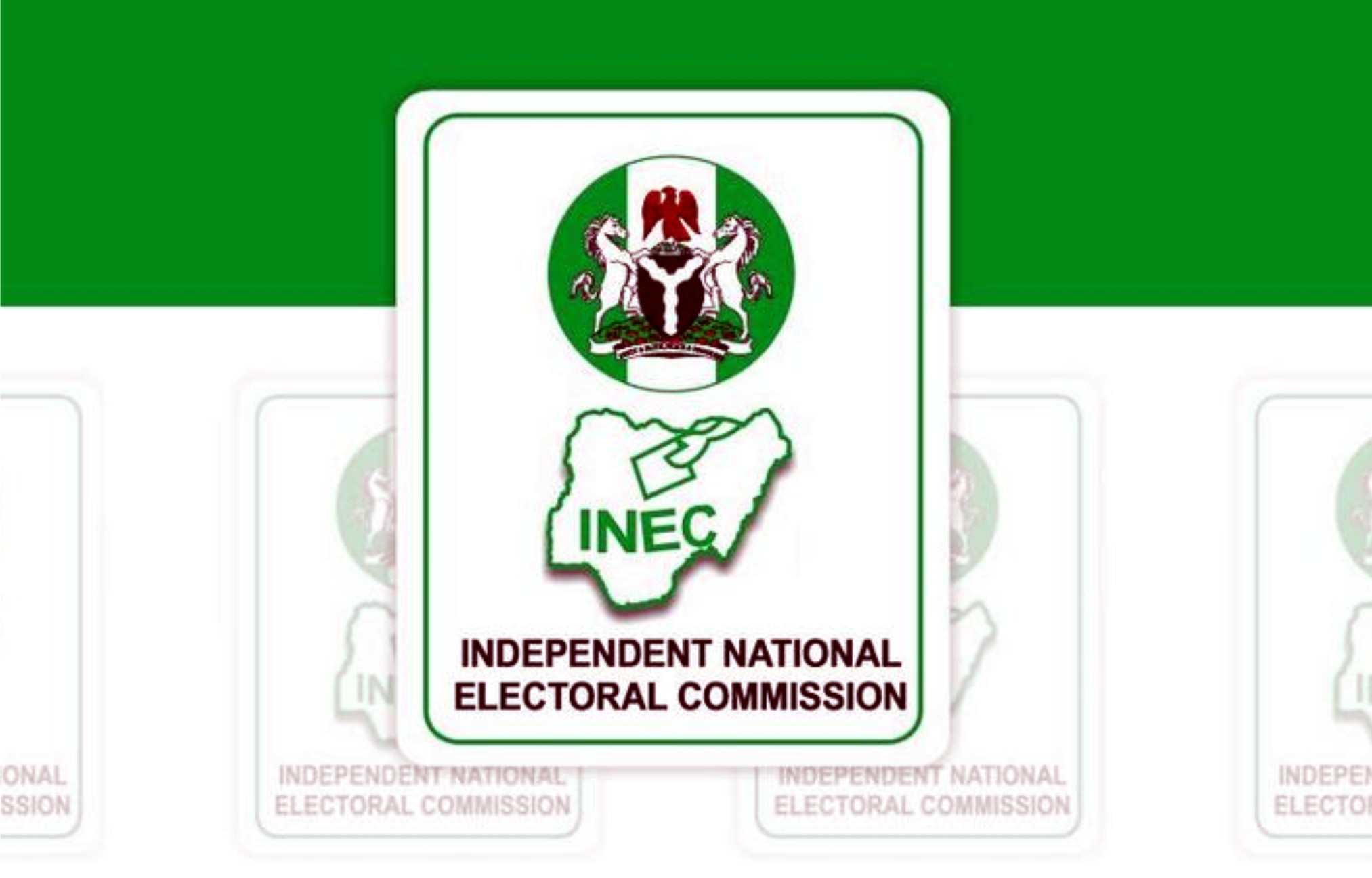
The Independent National Electoral Commission has said the Bimodal Voter Accreditation Systems would be deployed in all polling units for the Federal Capital Territory area councils election, while results would be uploaded to the Result Viewing portal to enhance transparency.

This was disclosed by the Chairman of the electoral commission, Prof Joash Amupitan (SAN), at a high-level stakeholders’ forum on Wednesday.

At the stakeholders’ forum, Amupitan outlined the commission’s preparations for the polls and reaffirmed its commitment to a peaceful, transparent and credible process.

He specifically noted that operatives of the Economic and Financial Crimes Commission and the Independent Corrupt Practices and other Related Offences Commission would be on the ground to deter vote trading and other electoral offences.

“Any individual found buying or selling votes will be apprehended and dealt with in accordance with the law,” Amupitan said.

He added that 1,132 vehicles, 620 motorcycles and 14 boats would be deployed to facilitate the movement of personnel and materials, stressing that there must be no logistical lapses on election day.

Amupitan noted that INEC remained neutral in the contest.

“INEC does not have a political party and does not have a preferred candidate. Our mandate is clear: to provide the enabling environment for residents of the Federal Capital Territory to freely choose their representatives,” he said.

Amupitan called on political parties, candidates and their supporters to conduct themselves peacefully, while urging security agencies to remain professional and impartial throughout the exercise.

This comes as the commission is set to deploy no fewer than 11,288 ad hoc personnel for Saturday’s area council elections, as the Nigeria Police Force announced a territory-wide restriction of movement to bolster security during the exercise.

See also  Qatar denies visa restrictions on Nigerians

The electoral body fixed February 21, 2026, for the conduct of the election into the FCT area councils.

Findings by The PUNCH show that 2,822 polling units have been designated across the FCT’s six area councils, with four officials, a Presiding Officer and three Assistant Presiding Officers assigned to each unit in line with the commission’s standard procedure.

Supervisory Presiding Officers will also coordinate activities at ward centres, while sensitive materials, including ballot papers, Bimodal Voter Accreditation Systems and result sheets, are scheduled for early deployment to council offices to prevent delays on election day.

With 2,822 polling units and four officials assigned to each, the commission is expected to deploy at least 11,288 ad hoc personnel for the exercise.

INEC said voting would take place in 2,822 polling units, supported by 3,345 BVAS devices to facilitate accreditation and result transmission.

The INEC chairman noted that 89 observer groups and 700 journalists have been accredited to monitor the exercise, adding that multiple security agencies would be deployed to ensure order.

A top official of the commission responsible for monitoring the Area councils election disclosed the preparations to The PUNCH.

The official said sensitive materials, including ballot papers, BVAS and result sheets, would undergo “thorough checks on Wednesday and be moved to the councils’ offices on Thursday.”

The early deployment of materials, another official at the FCT INEC office indicated, was aimed at “enhancing the electoral process and preventing delays on election day to ensure a seamless voting experience.”

For the successful conduct of the election, the FCT police command deployed personnel across the territory, as it announced a restriction of movement across the FCT from 6:00 am to 6:00 pm on election day.

See also  NCDC reveals 10 states at risk of cholera outbreak

Only essential service providers and election officials were granted exemptions.

In a statement on Wednesday, the command spokesperson, Josephine Adeh, said the deployment, carried out under a comprehensive operational order, involved a coordinated effort with sister security agencies, including the Nigerian Army, Nigerian Air Force, Nigerian Navy, the Department of State Services, and the Nigeria Security and Civil Defence Corps.

The statement read, “The Federal Capital Territory Police Command has deployed personnel across the FCT as part of its comprehensive operational order for the February 21, 2026, FCT Area Council Elections.

“This massive deployment has enjoyed a rich exchange of operation and human resources from sister security agencies, comprising the Nigeria Army, Nigeria Air Force, Nigeria Navy, Department of State Services, Nigeria Security and Civil Defence Corps, among others”

Announcing the restriction of movement, Adeh urged residents to cooperate with security personnel and comply with security guidelines during the period.

She assured voters that adequate measures have been put in place to enable them to exercise their civic responsibilities peacefully and without fear.

Adeh said, “The public is hereby informed that there will be a restriction of movement across the FCT from 6:00 am to 6:00 pm on February 21, 2026, except for essential service providers and election officials.

“Consequently, FCT residents are urged to cooperate fully with security personnel and comply with security operations guidelines during this period.

“The command also uses this opportunity to enjoin all residents of the FCT to remain law-abiding and come out to exercise their civic responsibility peacefully and without fear, as adequate security measures have been put in place.”

See also  Insecurity: Northern forum demands service chiefs’ removal

The police spokesman added that the Commissioner of Police, FCT Command, Miller Dantawaye, directed all deployed officers to maintain professionalism and ensure adequate security at polling units and collation centres to guarantee a peaceful, free and fair electoral process.

“The Commissioner of Police, FCT Command, CP Miller G. Dantawaye, charged all deployed officers to maintain the highest level of professionalism and ensure adequate security coverage at all polling units and collation centres in order to guarantee a peaceful, free, and fair electoral process.

“He further warned that officers must remain vigilant, impartial, and courteous in the discharge of their duties, while respecting the rights of all citizens,” Adeh said.

As the election approaches, campaign activities have intensified. Already, 17 political parties fielded 637 candidates to contest for 68 elective positions across 62 political wards, with 1,680,315 registered voters expected to participate.

The polls will be held in Abuja Municipal Area Council, Bwari, Gwagwalada, Kuje, Kwali and Abaji, where chairmen and councillors will be elected.

Political actors have described the exercise as a dress rehearsal for the 2027 general elections.

Major parties, including the All Progressives Congress, the Peoples Democratic Party, the Labour Party, and the Social Democratic Party, are engaged in keen contests, particularly in the Abuja Municipal Area Council and Bwari.

The African Democratic Congress and smaller parties are also seeking to make electoral gains.

Continue Reading
Click to comment

Leave a Reply

Your email address will not be published. Required fields are marked *

News

PHOTOS: Displaced Borno indigenes return home after years of sojourn in Yobe

Published

on

The safe return of internally displaced persons (IDPs) to Maiduguri, Borno State, has commenced in Yobe State, with authorities focusing on protecting women and children, who make up the majority of those moving back home.

The relocation is being coordinated by the Security Adviser to Governor Mai Mala Buni, Gen. Dahiru Abdulsalam (rtd), with support from the Director of Search and Rescue at SEMA and security agencies.

As of Tuesday morning, IDPs from the Water Board facility and the Roundabout axis along Maiduguri Road began their journey from Damaturu, following earlier expressions of readiness to return.

The Yobe State Government provided free transportation and full security escorts to facilitate the movement.

According to officials coordinating the exercise, 1,295 individuals have so far been safely transported to Maiduguri.

The bulk of those returning are women and children under the age of 14, highlighting the vulnerability of the displaced population.

It was observed that security personnel deployed along the route maintained order and boosted confidence among the returnees.

“Profiling of the remaining IDPs is ongoing.

“In Kasaisa village, 93 households comprising 547 individuals have been registered,” an official said.

Some IDPs in Kasaisa, during interactions, said: “We are excited to return to our ancestral homes in Borno State.”

The provision of free transport and security has eased the burden on displaced families and brought relief as the state government pushes to reintegrate them safely.

FOLLOW US ON:

FACEBOOK

TWITTER

PINTEREST

TIKTOK

YOUTUBE

LINKEDIN

INSTAGRAM

See also  EU extends Russia sanctions until October 2026 following hybrid threats
Continue Reading

News

Nigeria now better equipped for pandemics, says NACA

Published

on

The National Agency for the Control of AIDS (NACA) has said Nigeria is now better positioned to respond to future disease outbreaks following strategic investments made under the Global Fund’s COVID-19 Response Mechanism between 2021 and 2025.

NACA stated that the intervention, which was introduced to support countries during the COVID-19 pandemic, has left behind stronger disease surveillance systems, improved laboratory networks, enhanced emergency response mechanisms and a more resilient health infrastructure capable of responding to future public health threats.

The agency made this known ahead of a national close-out meeting convened in collaboration with the Global Fund and key implementing partners to review the achievements, lessons learned and long-term impact of the COVID-19 Response Mechanism investments in Nigeria in a statement on Wednesday.

The Director-General of NACA, Dr Temitope Ilori, said the investments made during the COVID-19 era were no longer limited to pandemic response but had become an integral part of Nigeria’s broader health security framework.

“We learned through COVID-19 that being prepared for one emergency isn’t just about that emergency; it’s about being prepared for any emergency,” Ilori said.

She added, “C19RM investments in emergency response mechanisms, supply chain resilience and rapid deployment capacity are now embedded in our health systems planning and programming.”

According to NACA, the COVID-19 Response Mechanism supported Nigeria’s efforts to mitigate the impact of the pandemic while strengthening critical components of the country’s health system and safeguarding gains made in the fight against HIV, tuberculosis and malaria.

The agency noted that the intervention funded improvements in disease surveillance, laboratory systems, infection prevention and control measures, oxygen infrastructure, cold-chain systems, healthcare workforce capacity and emergency response operations across the country.

See also  NCDC reveals 10 states at risk of cholera outbreak

Stakeholders at the close-out meeting reviewed the outcomes of the programme and explored ways to sustain the gains achieved after the conclusion of the grant.

The event also provided a platform for implementing partners to share innovations, best practices and lessons from the implementation process, while highlighting the impact of the intervention on healthcare delivery and public health preparedness.

The Executive Secretary of the Country Coordinating Mechanism Nigeria, Tajudeen Ibrahim, said the programme demonstrated the value of strong partnerships and local ownership in responding to health emergencies.

“The C19RM grant demonstrated the power of effective partnership, positioning, coordination, engagement, oversight and country ownership in responding to a public health emergency,” Ibrahim said.

He noted that beyond supporting Nigeria’s immediate response to COVID-19, the investments had strengthened critical health systems and expanded the country’s preparedness and response capacity for future pandemics and disease outbreaks.

“These investments have strengthened critical health systems and facilitated pandemic preparedness and response capacities that will continue to benefit the country for years to come. As we close this chapter, our focus must remain on sustaining these gains and leveraging the lessons learned to build a more resilient health system for all Nigerians,” he added.

Stakeholders also stressed that the close-out meeting was not only an opportunity to reflect on achievements recorded under the programme but also a call to deepen commitments towards building a stronger and more resilient healthcare system capable of responding effectively to future public health emergencies.

The event featured presentations from implementing agencies and partners, panel discussions, stakeholder reflections and the premiere of documentary and storytelling products capturing the impact of the intervention on communities across the country.

See also  What is in France? Unpacking Tinubu’s many trips

The Global Fund established the COVID-19 Response Mechanism in 2020 to help countries address the health, social and economic consequences of the coronavirus pandemic while protecting essential health services and preserving progress made against HIV, tuberculosis and malaria.

Nigeria was among the countries that benefited from the intervention, receiving support to strengthen testing and laboratory capacity, improve oxygen supply systems, enhance disease surveillance, reinforce emergency preparedness and build the capacity of health workers.

punch.ng

FOLLOW US ON:

FACEBOOK

TWITTER

PINTEREST

TIKTOK

YOUTUBE

LINKEDIN

Continue Reading

News

African countries study Nigeria’s local content model – NCDMB

Published

on

The Nigerian Content Development and Monitoring Board (NCDMB) has said African countries are studying its local content model to set up theirs.

The board stated this recently while hosting a delegation from the Ghana National Petroleum Corporation on a benchmarking and knowledge-sharing visit aimed at deepening Ghana’s understanding of Nigeria’s local content development framework.

The delegation, led by the Director of Corporate Affairs at GNPC, Mr Eric Pwadura, was received at the NCDMB headquarters in Yenagoa, Bayelsa State.

In a release, the General Manager, Corporate Communications Division of NCDMB, Dr Obinna Ezeobi, said Nigeria and Ghana had enjoyed long-standing cooperation in the energy sector and that the board had continued to support peer learning across Africa.

Welcoming the team, the Executive Secretary of NCDMB, Felix Ogbe, said Africa’s hydrocarbon endowment places a responsibility on producing countries to prioritise local content development and reduce dependence on foreign technology.

He said, “Africa has evolved over the last three to four decades, growing its hydrocarbon resources to over 120 billion barrels of crude oil reserves and 800 trillion standard cubic feet of gas, which constitute over 10 per cent of hydrocarbon resources globally.”

Ogbe added that it was in the national interest of producing countries to build internal capacity for exploration and production, stressing the need for a shift away from over-reliance on external expertise.

Represented by the Director, Corporate Services of NCDMB, Dr Abdulmalik Halilu, Ogbe said Africa’s youth population remained a key advantage for industrial development if properly equipped with relevant skills.

See also  What is in France? Unpacking Tinubu’s many trips

He maintained that the board had evolved from policy directives under the defunct Nigerian National Petroleum Corporation Local Content Division into a full-fledged institution.

“We have evolved from a policy to an institution,” he enthused, adding, “NCDMB is the sole agency responsible for local content” in Nigeria.

He disclosed that the board’s Nigerian Content 10-Year Strategic Roadmap was structured around five strategic pillars, including technical capability development, compliance and enforcement, enabling business environment, organisational capability, and sectoral and regional markets, alongside key enablers such as funding and regulatory support.

On capacity development, Ogbe highlighted the Nigerian Content Intervention Fund, which is administered through the Bank of Industry and the Nigerian Export-Import Bank, to provide single-digit loans to indigenous service companies.

“What we have done is to create that access to make the local service companies competitive,” he explained, noting that the initiative had enabled indigenous firms to acquire critical assets such as marine vessels.

He further noted that the board promotes utilisation of built capacity through a First Consideration policy for Nigerian companies with proven capability.

He added, “Local content does not compromise standards…it does not mean you have African spec or European spec,” adding, “It’s one global spec.”

Ghana’s Pwadura, in his remarks, expressed appreciation for the opportunity to learn from Nigeria’s experience, noting that Ghana’s current structure remains less developed.

“Even though we have the legislation guiding local content, we have not had the benefit of having a robust local content environment like you have. If we take our organisation (Ghana National Petroleum Corporation), for example, what we have is a local content unit. That’s currently the structure that we have. We want to have a deeper understanding of your local content development programme,” he said.

See also  Qatar denies visa restrictions on Nigerians

Earlier in his opening remarks, Ezeobi noted that NCDMB had maintained strong partnerships with several African institutions, including memoranda of understanding with Ghana’s Petroleum Commission and Senegal’s ST-CNSCL, as well as agencies in Mozambique, Angola and Namibia.

punch.ng

FOLLOW US ON:

FACEBOOK

TWITTER

PINTEREST

TIKTOK

YOUTUBE

LINKEDIN

Continue Reading

Trending