Connect with us

Education

Senate expands Safe Schools probe to TETFund, NELFUND

Published

on

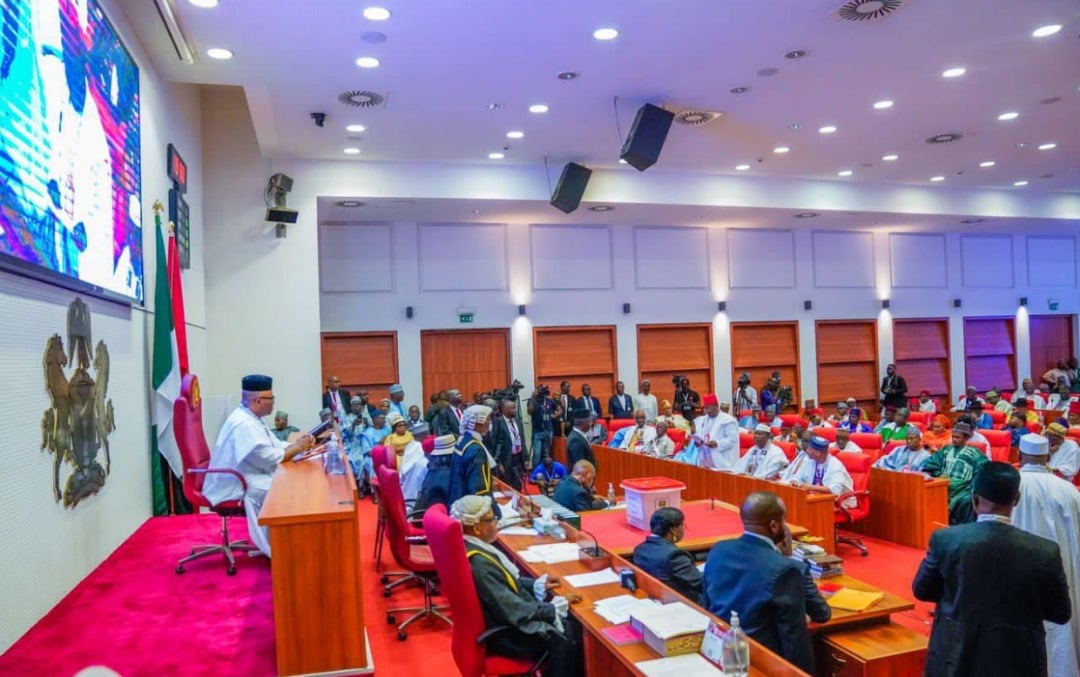
The Senate on Tuesday extended by three weeks the lifespan of its ad hoc committee investigating the Safe Schools Initiative and broadened the scope of the probe to include the Tertiary Education Trust Fund (TETFUND) and Nigerian Education Loan Fund (NELFUND).

Others for probe are the Universal Basic Education Commission, Federal Ministry of Humanitarian Affairs and Poverty Alleviation, and the National Social Investment Programme Agency.

The red chamber said the expansion was aimed at conducting a comprehensive investigation into the funding, implementation and accountability of education and social intervention programmes linked to the safety and welfare of students across the country.

The resolution followed a motion moved by the Chairman of the Senate Ad hoc Committee on the Safe Schools Initiative, Orji Uzor Kalu (APC, Abia North), pursuant to Orders 41 and 51 of the Senate Standing Orders, 2026 (as amended), seeking an expansion of the committee’s terms of reference and additional time to conclude its assignment.

Presenting the motion, Kalu told lawmakers that preliminary investigations had revealed strong links between the implementation and funding of the Safe Schools Initiative and several government agencies responsible for educational funding, student welfare, humanitarian interventions and social investment programmes.

According to him, limiting the investigation to the Safe Schools Initiative alone would prevent the Senate from carrying out a comprehensive assessment of issues affecting school security and educational interventions.

“The issues surrounding student security, educational infrastructure funding and social intervention schemes for vulnerable learners across the country are deeply interwoven.

See also  Okpebholo to revive teaching of Edo languages in schools

“Investigating the Safe Schools Initiative without reviewing these complementary bodies will result in fragmented legislative oversight,” Kalu stated.

He added that broadening the committee’s mandate had become necessary to enable the Senate to produce a comprehensive report that could strengthen accountability, safeguard students, and improve transparency in the management of intervention funds.

Under the expanded mandate, the committee will evaluate financial flows, operational challenges and accountability mechanisms across the Safe Schools Initiative and the affected agencies.

It will also review social safety net allocations linked to school feeding programmes, emergency relief for displaced students and educational rehabilitation initiatives implemented through the Federal Ministry of Humanitarian Affairs and Poverty Alleviation and NSIPA.

The panel is further expected to audit infrastructure and security-related intervention projects funded by TETFund in tertiary institutions, assess NELFUND’s disbursement processes, operational readiness, administrative efficiency, and students’ access to education loans, and examine UBEC’s interventions in basic education.

Seeking the Senate’s approval, Kalu said the committee required additional time because some critical aspects of the investigation had yet to be completed due to its extensive workload and other legislative engagements.

“We’re supposed to submit our report, and there are four key areas that were not done. I needed the permission of the Senate so that we can conclude it in the next two or three weeks and come back with a report,” he said.

Following a voice vote called by Senate President Godswill Akpabio, lawmakers unanimously approved the request granting the committee an additional three weeks to conclude its assignment.

See also  Abia varsity chancellor tasks new veterinary doctors on food safety, public health

The Senate inaugurated the ad hoc committee in December 2025 amid growing concerns over persistent attacks on schools despite years of government funding and policy interventions aimed at protecting educational institutions.

The probe gained further urgency following the abduction of 25 female students of Government Girls Comprehensive Secondary School, Maga, Kebbi State, during which bandits reportedly killed the school’s vice principal, reigniting concerns over the safety of students and teachers in vulnerable communities.

The Safe Schools Initiative was launched in May 2014 after the abduction of 276 schoolgirls from Chibok, Borno State.

Established as a partnership involving the Federal Government, the United Nations and private sector stakeholders, the programme was designed to strengthen security infrastructure around schools, particularly in conflict-affected areas.

The Senate’s ongoing investigation has already raised questions over the utilisation of funds released for the programme.

During previous hearings, the committee scrutinised the disbursement of N15bn released in 2023, with the Nigerian Police Force receiving the highest allocation of N6.225bn.

Other allocations examined by the panel include N3.362bn to the Nigeria Security and Civil Defence Corps, N2.250bn to Defence Headquarters and N519m to the Federal Ministry of Education, while the amount released to the Department of State Services was not publicly disclosed.

The committee also queried alleged financial irregularities and consultancy payments under the programme and directed the Safe Schools Financing Office to submit a reconciled breakdown of all funds released, expenditures, contractors and supporting documents relating to the Central Bank of Nigeria Trust Fund account.

During one of the investigative hearings, the National Coordinator of Financing Safe Schools in Nigeria, Hajia Halima Iliya, disclosed that the initiative received funding from both domestic and international partners, including $10m each from the Federal Government and Nigerian business leaders, $1m from the African Development Bank, €2m from the German Government, $4m from the Norwegian Government managed through UNICEF, as well as additional support from USAID, the Qatar Foundation and United Nations agencies.

See also  FG plans military medical college to tackle 340,000 doctor shortfall

With the expanded mandate, the Senate committee is expected to present a broader assessment of how education, security and humanitarian intervention funds are being utilised and whether the various programmes are effectively addressing the safety, welfare and educational needs of Nigerian students.

punch.ng

FOLLOW US ON:

FACEBOOK

TWITTER

PINTEREST

TIKTOK

YOUTUBE

LINKEDIN

Continue Reading
Click to comment

Leave a Reply

Your email address will not be published. Required fields are marked *

Education

Ignore fake conference advertisement, Army College tells Nigerians

Published

on

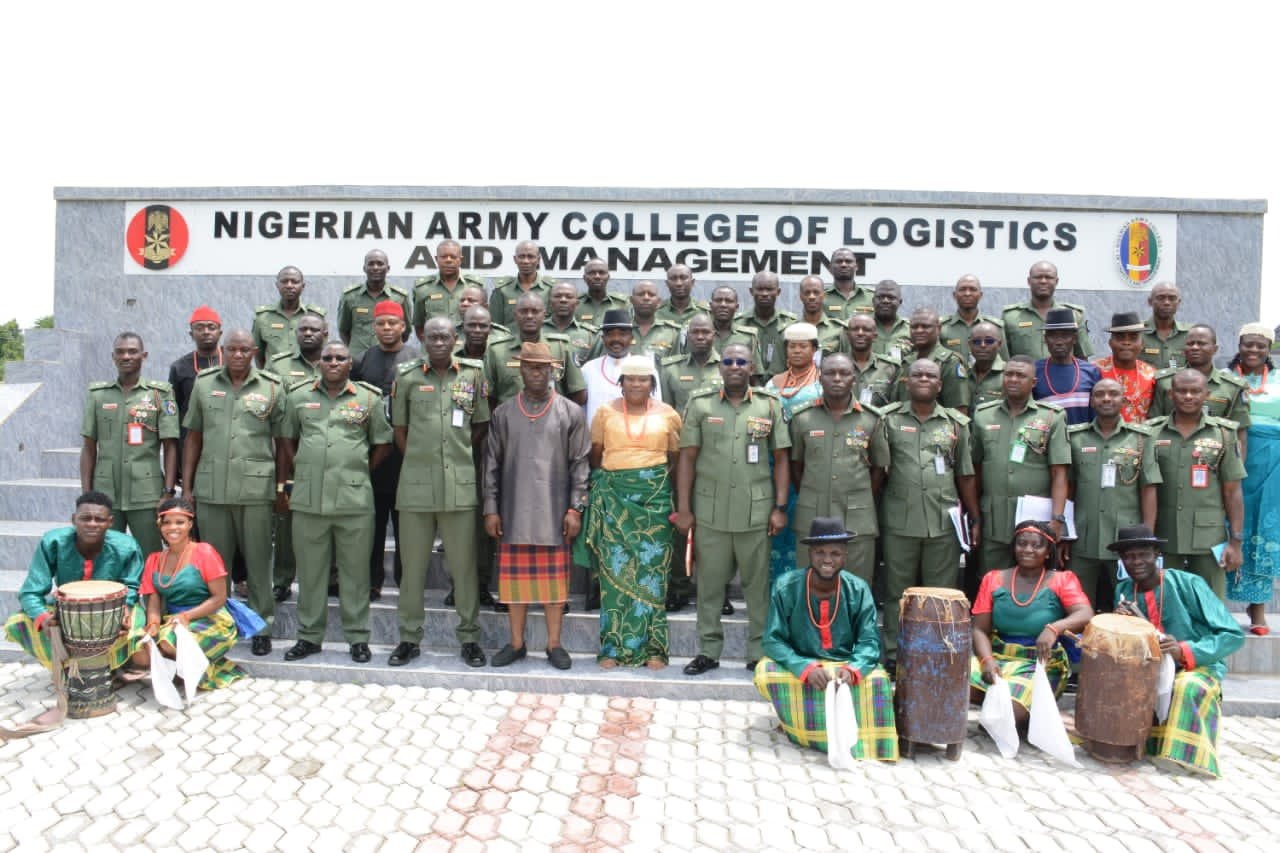
The Nigerian Army College of Logistics and Management (NACOLM), Ojo, Lagos, has warned Nigerians to disregard an online advertisement promoting a purported “Highstone Global University USA International Research Conference” allegedly scheduled to hold at the college.

The college, in a statement dated September 22, 2026, said the advertisement was false and fraudulent, stressing that it had no connection with the purported programme.

NACOLM’s Public Relations Officer, Major Innocent Audu, said, “The College has no affiliation, partnership, endorsement or involvement whatsoever with the said programme, and no such conference has been authorised to take place at the College.”

The college urged members of the public not to make payments or disclose personal information in connection with the purported conference.

“Members of the public are therefore advised to disregard the advertisement and refrain from making any payments or providing personal information in connection with the purported programme,” Audu said.

According to the statement, NACOLM remains committed to protecting the integrity of its name, facilities and official engagements.

It added that any authorised programme or event involving the college would be communicated through its recognised official channels and those of the Nigerian Army.

The college also urged the public to exercise caution and report any suspicious solicitation linked to the purported event to the appropriate authorities.

Source: punchng.com

FOLLOW US ON:
FACEBOOK

TWITTER

PINTEREST

TIKTOK

YOUTUBE

LINKEDIN

INSTAGRAM

See also  Oyo teachers celebrate safe return of abducted colleagues, pupils
Continue Reading

Education

Ondo, varsity unions reach agreement over wage dispute – Gov’s aide

Published

on

The Ondo State Government and tertiary institution unions have reached an agreement on the implementation of the new Federal Government and university unions’ wage structure and allowances.

This is contained in a statement made available to newsmen on Monday by the Chief Press Secretary to the Governor, Mr Ebenezer Adeniyan.

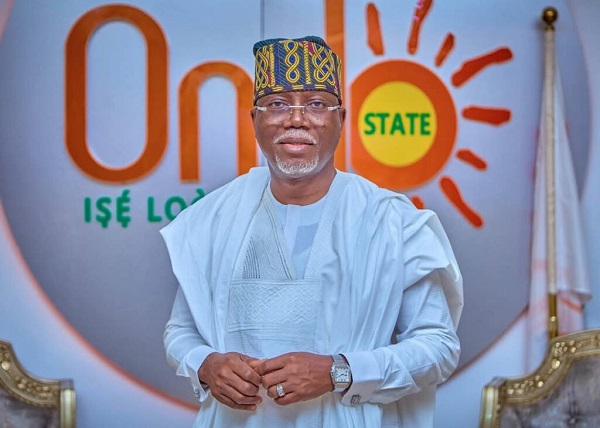
The agreement followed a series of meetings between officials of the state government, led by Governor Lucky Aiyedatiwa, and the leadership of labour unions in state-owned universities.

According to the statement, the unions involved in the meeting included the Academic Staff Union of Universities, Senior Staff Association of Nigerian Universities, National Association of Academic Technologists, and Non-Academic Staff Union.

The News Agency of Nigeria reports that academic and non-academic unions in the three Ondo State-owned universities are currently on a total and indefinite strike over unpaid allowances to members.

The statement said the meeting addressed outstanding issues relating to salary adjustments, allowances and other welfare matters affecting workers in the state-owned universities.

It added that a major resolution was the approval by Aiyedatiwa for the full domestication of the Federal Government-ASUU agreement on the Consolidated University Academic Salary Structure for academic staff of state-owned universities.

According to the statement, implementation of the resolution will take into account the peculiarities of the state.

It said that during the meeting, Aiyedatiwa described education as a cardinal priority of his administration, with a promise to the unions of his commitment to sustain industrial harmony in the state’s tertiary institutions.

“Our administration will continue to prioritise the welfare of workers, especially in the education sector, because we understand that a motivated workforce is key to academic excellence.

See also  Kaduna school feeding empowers women, supports local farmers- Gov’s aide

“We have approved the FGN-ASUU pact for our universities because we want our institutions to compete favourably and our staff to be at par with their counterparts elsewhere,” the statement read.

It said that the government would continue to engage stakeholders to ensure that the state’s tertiary institutions remained centres of excellence without incessant industrial action.

According to the statement, the Adekunle Ajasin University, Akungba-Akoko, chapter of ASUU, while speaking on behalf of the unions, commended Aiyedatiwa for approving the FGN-ASUU agreement for the state universities.

Source: punchng.com

FOLLOW US ON:

FACEBOOK

TWITTER

PINTEREST

TIKTOK

YOUTUBE

LINKEDIN

INSTAGRAM

Continue Reading

Education

Read about the return of ASUU strikes at state universities

Published

on

ALL eyes are back on tertiary education. While most federal universities are running smoothly, it is not the case at some state-owned universities. From Lagos to Plateau, Kaduna to Taraba, the age-long disruption of the academic calendar is rearing its head again at state-owned universities. State governors, who are basking in more resources than before, should address the underlying issues.

In the recent past, Nigeria’s public universities were infamous for lengthy strikes.

But President Bola Tinubu’s mantra to end lecturers’ strikes that had plagued the public university system appears to have worked so far. In January, the Federal Government increased salaries by 40 per cent. This has restored stability in these institutions.

Conversely, strikes have returned to some state-owned institutions.

The states have no genuine excuse. After Tinubu removed the petrol subsidy, floated the naira and expanded the tax net, including VAT, the sub-national governments are more buoyant than ever.

Since 2009, public universities have experienced persistent strikes, which Tinubu pledged to end. Until the Tinubu administration’s pact, the 2009 agreement of N1.51 trillion for the revitalisation of universities and the enhancement of salaries was poorly implemented.

The outcome is predictable. In the latest Webometrics ranking, the best is the University of Ibadan at No. 1,291 in the world. UI is followed by the University of Lagos (1,355) and the University of Nigeria (1,397). This is depressing.

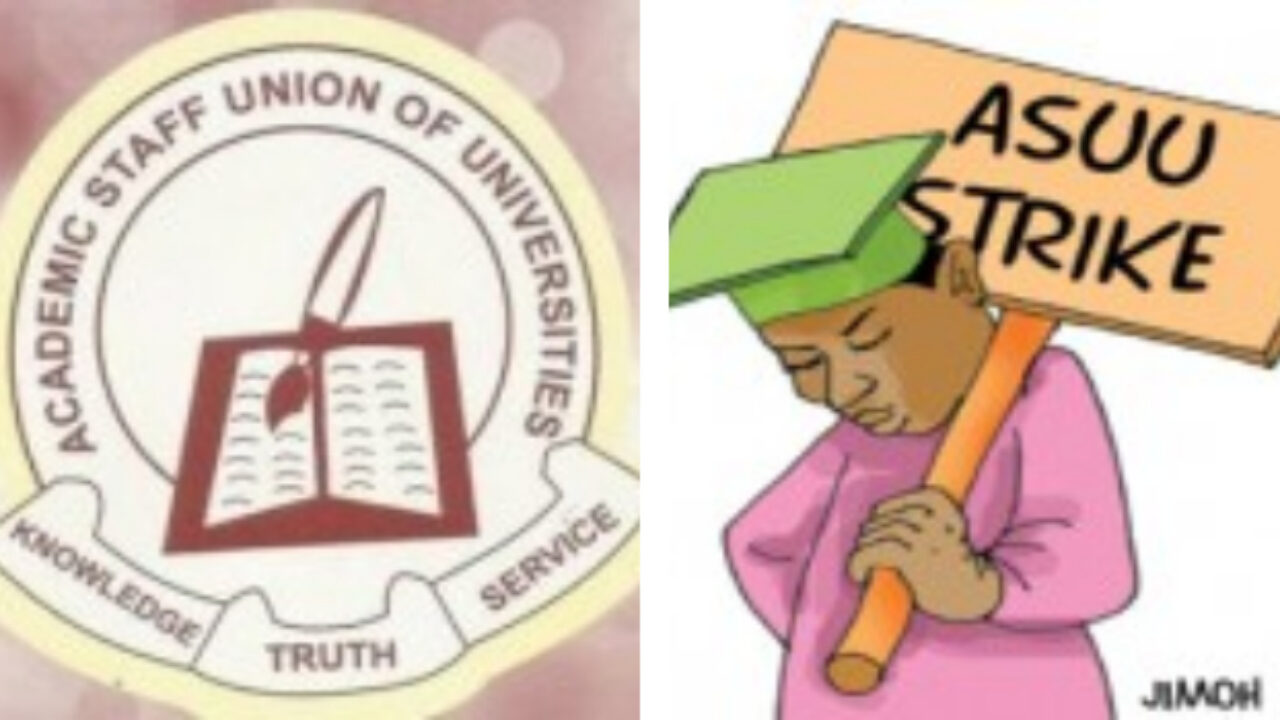
At the core of the face-off is the December 2025 Federal Government-Academic Staff Union of Universities agreement. Essentially, the Federal Government increased lecturers’ salaries by 40 per cent.

See also  Tinubu appoints NECO, NBTE chairmen, names poly rector, renews library DG tenure

Other key provisions include an annual credit allowance of N1.8 million for professors and between N840,000 and N870,000 per annum for academic readers, and enhanced pensions.

Ironically, Lagos, Tinubu’s home, is the latest state where ASUU has just declared a strike, following the breakdown in negotiations between the state government and the joint unions of the three universities in Lagos.

According to the ASUU chapters of Lagos State University, Lagos State University of Science and Technology and Lagos State University of Education, the government did not implement the 2025 FGN-ASUU agreement despite a 14-day notice.

In Kaduna, the ASUU state chapter at the Kaduna State University, Kakuri, recently ended its strike after Governor Uba Sani approved the implementation of the agreement from October 1.

A similar story is unfolding in Plateau State. After downing tools over the agreement, the ASUU chapter of the Plateau State University, Bokkos, terminated its strike on September 16.

It said the state government had agreed to implement its six-point demand.

But lecturers at the three state-owned universities in Ondo State are still on strike over the non-implementation of the FGN-ASUU pact.

On September 15, the ASUU chapter of the Taraba State University, Jalingo, issued a 14-day ultimatum to the state government to implement the agreement or face a strike. The ultimatum will expire on September 28.

These contradictions expose Nigeria’s flawed federalism. The centre was at the forefront of the negotiations with ASUU. While the Federal Government has gone ahead to implement the agreement, states are delaying implementation for reasons best known to them.

See also  WASSCE result verification fee now N4,000

In many areas of national life, the Federal Government imposes its will on the federating units. The unbridled federal power is an overreach. In a federal jurisdiction, this is wrong.

So, state governments should not be under this overarching federal influence in the funding and administration of universities at the second tier of government.

The independence of states and the centre has a crucial inflexion point.

In this, private universities offer the best lesson. With their independence and self-funding system, the 182 private institutions determine the remuneration they can offer the academic and non-academic staff. Therefore, strikes over pay are non-existent in private institutions. With proper independence and control, it could also be so at state-owned universities.

State governments share in the blame. Currently, there are 69 state-owned universities in the country. Without proper preparation for funding, staffing and infrastructure, state governments establish multiple universities. This is ridiculous.

Some states have more than three universities. Thus, they find it difficult to cope with the financial and infrastructure demands of such institutions. But it is wrong to see universities as a political symbol.

After a spree, the Federal Government placed a seven-year moratorium on the establishment of new universities in a bid to address the issues at stake.

Therefore, the National Universities Commission should exercise its independence. It should thoroughly scrutinise the centre, the states and private entrepreneurs who bid to establish universities.

Source: punchng.com

FOLLOW US ON:
FACEBOOK

TWITTER

PINTEREST

TIKTOK

YOUTUBE

LINKEDIN

INSTAGRAM

Continue Reading

Trending