Connect with us

News

10,625 cubic metres of sand illegally dredged daily, Lagos laments

Published

on

The Lagos State Government has raised the alarm over the impact of illegal dredging and coastal erosion on its lagoon and waterfront communities, warning that over 10,000 cubic metres of sand are being dredged daily in the state.

The Commissioner for Waterfront Infrastructure Development, Dayo Alebiosu, made this known on Thursday during a press briefing at the Bagauda Kaltho Press Centre, Alausa Secretariat, Ikeja.

He said the disturbing trend underscored the need for urgent intervention to prevent environmental collapse.

On the scale of illegal activities, Alebiosu said, “About 10,625 cubic metres of sand are dredged daily in Lagos,” cautioning that such unregulated operations could destabilise the ecosystem, damage aquatic habitats, and endanger waterfront settlements.

He added that the Ministry was conducting a comprehensive bathymetric and hydrographic survey to identify over-dredged and under-dredged areas, noting that the Ibeshe area of Lagos was already heavily impacted.

The concerns come against the backdrop of earlier moves by the state government to clamp down on unlicensed dredgers.

The government in August sought the support of the Dredgers Association of Nigeria, insisting that unregistered operators halt their activities to protect the environment and communities.

The Commissioner also highlighted the severe threat of coastal erosion, stating that some Lagos coastal communities, including Idotun Village in Ibeju-Lekki, had been completely washed away. Families, he said, had lost their homes and sources of livelihood.

“Coastal erosion is a regional problem with global implications. Lagos must take urgent steps to safeguard its communities, infrastructure, and economy,” Alebiosu stated. He cited Keta Municipality in Ghana as another West African community facing similar devastation.

See also  Kano gov to present 2026 budget proposal Wednesday

To address the crisis, he announced that Lagos had commenced collaboration with the Netherlands, globally recognised for its expertise in coastal and water management, to develop lasting and innovative solutions.

He explained that the pressing realities form the basis for the Maiden Lagos State Waterfront Summit, scheduled for September 11, 2025, in Lagos.

With the theme “Pressure on the Lagoon: The Lagos Experience,” the summit aims to convene experts and professionals to chart practical solutions.

“The lagoon is not just a body of water; it is our heritage, our economy, and our future. This summit is a call to action for Lagosians, experts, and stakeholders to work together in protecting it before it is too late,” Alebiosu said.

The Lagos State Government has in recent years intensified efforts to curb illegal dredging, a practice linked to coastal erosion, flooding, and the destruction of aquatic habitats.

It was earlier reported that Lagos State launched initiatives to monitor and regulate dredging activities, urging operators to obtain licences and adhere strictly to environmental regulations.

Unlicensed dredgers, according to the government, contribute significantly to the degradation of waterfront areas, threatening both livelihoods and infrastructure.

These efforts form part of Lagos’ broader strategy to preserve its coastline, protect communities, and ensure sustainable urban development.

FOLLOW US ON:

FACEBOOK

TWITTER

PINTEREST

TIKTOK

YOUTUBE

LINKEDIN

TUMBLR

INSTAGRAM

Continue Reading
Click to comment

Leave a Reply

Your email address will not be published. Required fields are marked *

News

Iran Warns UK That Allowing US To Use British Bases Is Participation In Aggression

Published

on

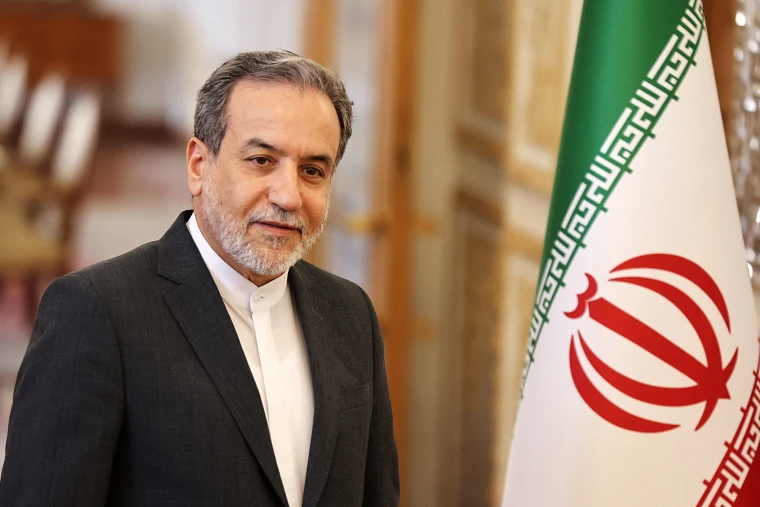
Iran’s foreign minister has warned the United Kingdom that Tehran considers Britain’s decision to allow the United States to use British military bases as “participation in aggression.”

Seyyed Abbas Araghchi criticised the UK’s “negative and biased” stance toward the US-Israeli assault on Iran during a call with his British counterpart.

Araghchi warned that granting America access to UK bases “will certainly be considered participation in aggression.”

However, in response to the allegation, a spokesperson of the UK Prime Minister told reporters the UK granted the United States access only “for a specific defensive and limited purpose” in response to Iran’s strikes across the Middle East.

“Our position has been crystal clear from the outset. We didn’t participate in the initial strikes, and we’re not getting drawn into the wider war,” the spokesperson said.

According to reports, the British Prime Minister Keir Starmer initially refused Washington’s request to use UK military bases for its attacks on Iran, with the PM considering the strikes illegal.

However, Starmer joined the defence against Iran’s retaliation after Iranian forces attacked British military assets in the Middle East.

It was reported earlier that Starmer said his country accepted a United States request to use British bases for defensive strikes against Iranian missiles in storage depots or launchers.

“The United States has requested permission to use British bases for that specific and limited defensive purpose. We have taken the decision to accept this request to prevent Iran firing missiles across the region,” Starmer said at the time.

See also  AU extends Nigeria, Cameroon, others joint military action on Insurgency

Tehran’s warning escalates diplomatic tensions between Iran and Britain as the conflict between Iran and the United States and Israel enters its fourth week.

FOLLOW US ON:

FACEBOOK

TWITTER

PINTEREST

TIKTOK

YOUTUBE

LINKEDIN

Continue Reading

News

British Government Gives US Permission To Strike Iranian Missiles Sites Targeting Ships From UK Bases

Published

on

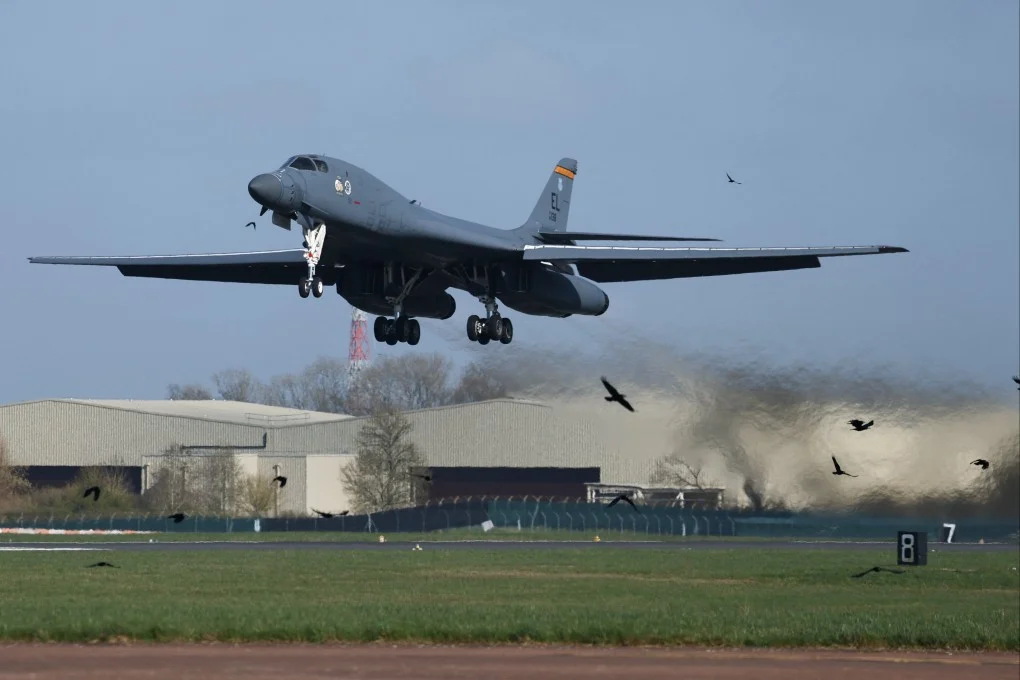
The British government authorised the United States on Friday to use military bases in Britain to strike Iranian missile sites attacking ships in the Strait of Hormuz, a decision that prompted Iran to warn the move constitutes “participation in aggression.”

According to a British spokesperson, ministers met on Friday to discuss the war with Iran and Iran’s blocking of the Strait of Hormuz.

“They confirmed that the agreement for the US to use UK bases in the collective self-defence of the region includes US defensive operations to degrade the missile sites and capabilities being used to attack ships in the Strait of Hormuz,” the statement said.

It was reported earlier that Iran’s foreign minister, Seyyed Abbas Araghchi, warned the United Kingdom that Tehran considers Britain’s decision to allow America to use British military bases as “participation in aggression.”

Araghchi criticised the UK’s “negative and biased” stance toward the US-Israeli assault on Iran during a call with his British counterpart following Friday’s authorisation.

Starmer Reverses Earlier Position On Base Use
Prime Minister Keir Starmer said earlier this week Britain would not enter a war over Iran. He initially rejected an American request to use British bases for strikes on Iran, saying he needed confirmation that any military action was legal.

However, Starmer changed his stance after Iran conducted strikes on British allies across the Middle East, allowing America to use RAF Fairford and Diego Garcia, a joint US-UK base in the Indian Ocean.

It was gathered that President Donald Trump has repeatedly attacked Starmer since the conflict started, complaining he was not doing enough to help America.

See also  Why we halted tinted glass permit enforcement – IGP Egbetokun

On Monday, Trump said there were “some countries that greatly disappointed me” before he singled out Britain, which he said had once been considered “the Rolls-Royce of allies.”

Meanwhile, the British spokesperson’s statement on Friday called for “urgent de-escalation and a swift resolution to the war.”

The authorisation now expands Britain’s involvement in the Middle East conflict beyond defensive operations. The UK previously limited its participation to intercepting Iranian missiles and drones threatening British military assets and allies in the region.

In response to what Iran tagged “agression “ it has effectively halted oil passage through the Strait of Hormuz, sparking a global energy crisis as the waterway serves as the route for roughly one-fifth of the world’s oil supplies.

The conflict between Iran and the United States and Israel enters its fourth week with casualties mounting on both sides.

FOLLOW US ON:

FACEBOOK

TWITTER

PINTEREST

TIKTOK

YOUTUBE

LINKEDIN

Continue Reading

News

Why Military Alone Can’t Solve Nigeria’s Insecurity Problem – Buratai

Published

on

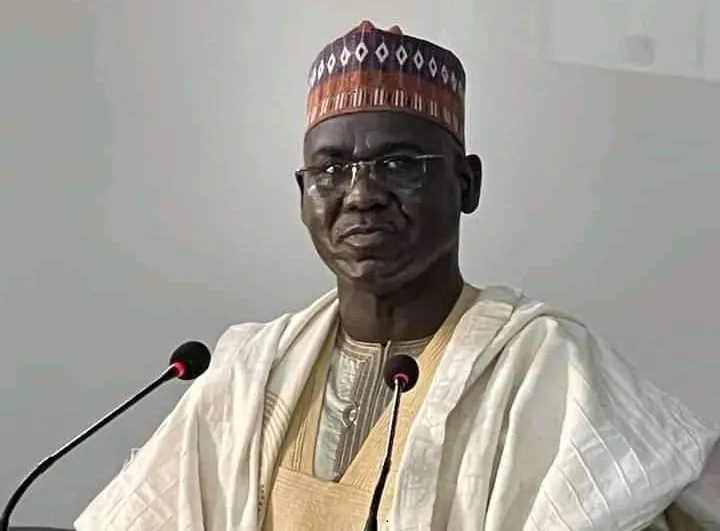
A former Chief of Army Staff, Lt.-Gen. Tukur Buratai (rtd), has warned that depending only the Nigerian Army to address the insecurity situation in the country is not a wholesome approach.

Speaking in a recent interview on Channels Television, he argued that the fight against insurgency must involve every sector of the country.

Buratai pointed out that while troops have remained consistent in their field operations across various flashpoints, their efforts must be backed by improved governance, economic growth, and social programs from other government institutions and stakeholders.

According to him, although troops have continued operations in affected areas, efforts from government agencies, communities and other sectors are needed through governance, development and social programmes.

“The whole country is over-relying on the military,” he said, noting that several agencies and tiers of government have specific responsibilities in tackling insecurity.

The former army chief recalled that Nigeria’s National Security Strategy 2019 had already provided a broad plan that includes economic, social and infrastructure-based solutions.

However, he questioned whether the strategy has been consistently implemented over time.

He pointed out that ending insurgency goes beyond combat, adding that issues such as unemployment, poverty and poor infrastructure contribute to instability.

According to Buratai, the keys to defeating insurgency lie in fixing the root causes of unrest, such as poverty, unemployment, and the lack of basic amenities. He specifically mentioned that the dilapidated state of roads in conflict zones is a major setback for the military.

“In some instances, an operation that should take two hours could take up to five hours due to bad roads,” he said, adding that such delays create opportunities for insurgents to plant explosives and stage ambushes.

See also  Oil output slumps as Nigeria, Libya, Venezuela drag OPEC+ targets

He noted that improving infrastructure, especially roads, would boost military effectiveness and reduce risks faced by personnel in the field.

Buratai also urged state governments to take stronger steps in addressing the root causes of insecurity by focusing on youth development.

He said engaging young people through job creation, skills training, and economic empowerment is important in preventing their involvement in violent activities.

FOLLOW US ON:

FACEBOOK

TWITTER

PINTEREST

TIKTOK

YOUTUBE

LINKEDIN

Continue Reading

Trending