




Connect with us

News

See 175 Beneficiaries of Tinubu’s Pardons (Full List)

Published

on

The decision followed recommendations by the Presidential Advisory Committee on the Prerogative of Mercy.

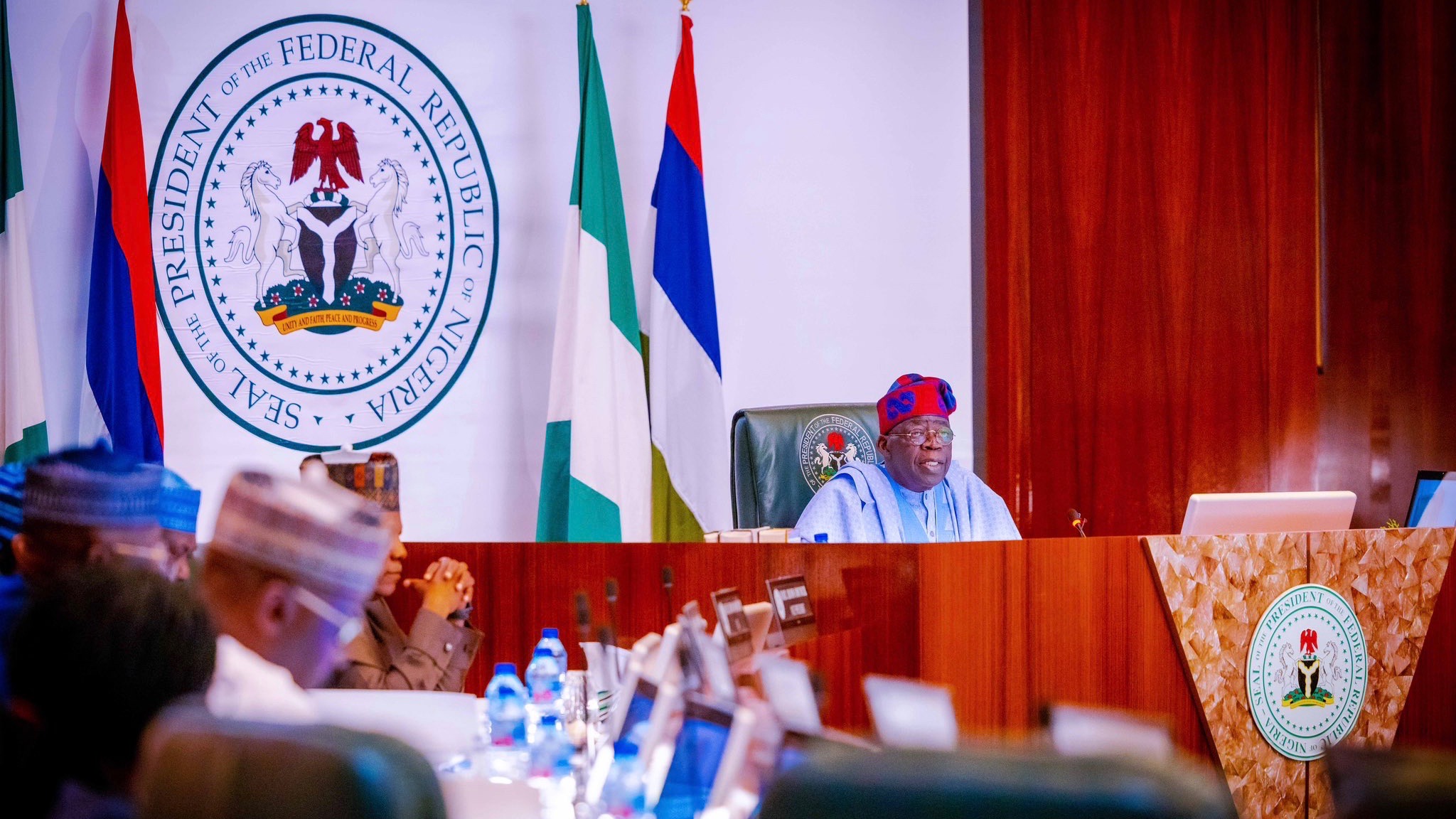
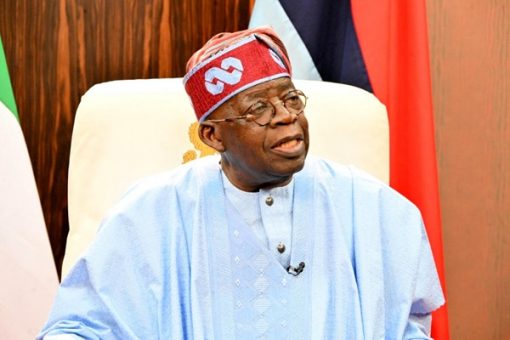
A list of all the 175 persons granted presidential pardon and clemency by President Bola Tinubu has been made public.

Those pardoned include, late environmental activist Ken Saro-Wiwa, nationalist Herbert Macaulay, Major General Mamman Vatsa, and Maryam Sanda, who was sentenced to death for killing her husband.

According to a statement by the Special Adviser to the President on Information and Strategy, Bayo Onanuga, on Saturday, the decision followed recommendations by the Presidential Advisory Committee on the Prerogative of Mercy, chaired by the Attorney-General of the Federation and Minister of Justice, Lateef Fagbemi (SAN).

The list, released on Saturday, is divided into six parts: pardoned, posthumous pardon (including the Ogoni Nine), victims of the Ogoni Nine honoured, presidential clemency (clemency beneficiaries), list of inmates recommended for reduced term of imprisonment, and list of inmates on death row reduced to life imprisonment.

Below is the full list of beneficiaries as contained in the statement:

Pardoned

Nweke Francis Chibueze, aged 44, serving a life sentence at Kirikiri for cocaine

Dr Nwogu Peters, aged 67; serving a 17-year jail term for fraud. Sentenced in 2013

Mrs Anastasia Daniel Nwaoba, aged 63. Already served a sentence for fraud

Barr. Hussaini Alhaji Umar, aged 58. Sentenced in 2023 to pay a fine of N150M in the ICPC case

Ayinla Saadu Alanamu, age 63, was sentenced to seven years for bribery in 2019 and has served the sentence

Hon. Farouk M. Lawan, aged 62. Sentenced to five years in 2021 for Corrupt Practices and had served the sentence

Posthumous pardon

Sir Herbert Macaulay — banned from public office for misappropriation of funds and sentenced in 1913 by the British colonialists

Major-General Mamman Jiya Vatsa, age 46 — sentenced in 1986 for treason (alleged coup plot)

Posthumous pardon: The Ogoni nine

Ken Saro Wiwa — sentenced for murder

Saturday Dobee — sentenced for murder

Nordu Eawa — sentenced for murder

Daniel Gbooko — sentenced for murder

Paul Levera — sentenced for murder

Felix Nuate — sentenced for murder

Baribor Bera — sentenced for murder

Barinem Kiobel — sentenced for murder

John Kpuine — sentenced for murder

Victims of Ogoni Nine honoured

Chief Albert Badey

Chief Edward Kobaru

Chief Samuel Orage

Chief Theophilus Orage

Presidential clemency

Aluagwu Lawrence, aged 47, sentenced for Indian hemp (selling), 2015

Ben Friday, aged 60, was sentenced to 3 years or N1.3 million fine for marijuana in 2023

Oroke Micheal Chibueze, aged 21, sentenced to 5 years (cannabis sativa) in 2023

Kelvin Christopher Smith, aged 42, was sentenced to 4 years for importing cocaine in 2023

Azubuike Jeremiah Emeka, aged 31, sentenced in 2021 to 5 years or N3 million fine for importing cocaine

Akinrinnade Akinwande Adebiyi, aged 47, sentenced in 2023 to 3 years for dealing in Tramadol

Ahmed Adeyemo, aged 38, sentenced to 15 years for cannabis. Already served nine years, 5 months at Kirikiri

Adeniyi Jimoh, aged 31 years, sentenced to 15 years for Drugs in 2015 and served nine years at Kirikiri

Seun Omirinde, aged 39, sentenced to 15 years for Drugs in 2015. Served nine years at Kirikiri

Adesanya Olufemi Paul, aged 61, sentenced to 14 years for theft. Had served eight years

Ife Yusuf, aged 37, was sentenced for human trafficking in 2019. Had served six years at Kirikiri

Daniel Bodunwa, aged 43, was sentenced in 2018 to 10 years for fraudulent intent to forge a land receipt. Had served six years in jail

Fidelis Michael, aged 40, sentenced to 5 years for cannabis sativa

Suru Akande, aged 52, sentenced to 5 years for cannabis sativa

Safiyanu Umar, aged 56, sentenced to 5 years without the option of a fine for possessing 5 kg of cannabis sativa, 2023

Dahiru Abdullahi, aged 46, was sentenced in 2016 to 21 years for possession of 3 pistols and had spent 10 years in jail

Hamza Abubakar, aged 37, sentenced to 5 years for Indian hemp (selling), 2022

Rabiu Alhassan Dawaki, aged 52, sentenced in 2020 to 7 years for criminal breach of trust

Mujibu Muhammad, aged 30, sentenced in 2022 to 5 years, no option for a fine for cannabis

Emmanuel Eze, aged 49, sentenced in 2022 to 5 years for heroin

Bala Azika Yahaya, aged 70, sentenced in 2017 to 15 years for cannabis

Lina Kusum Wilson, aged 34, sentenced to death in 2017 for culpable homicide, had spent eight years in jail

Buhari Sani, aged 33, sentenced in 2022 to 5 years for possession of 558 grams of cannabis

Mohammed Musa, aged 27, was sentenced in 2022 to 5 years for possession of 16 grams of cannabis

Muharazu Abubakar, aged 37, sentenced in 2022 to 5 years for selling Indian hemp. Already spent 3 years in Katsina Prison

Ibrahim Yusuf, aged 34; jailed 5 years in 2022 for possession of 5.7 grams of Indian hemp

Saad Ahmed Madaki, aged 72; sentenced in 2020 for a 419 offence. Had served 4 years in Kaduna prison

Ex-Corporal Michael Bawa, aged 72: sentenced to life imprisonment for murder in 2005. Had spent 20 years in Kaduna prison

Richard Ayuba, aged 38. Sentenced to 5 years in 2022 for Indian hemp

Adam Abubakar, aged 30 and sentenced in 2022 to five years for possession of 2 kg of tramadol

Emmanuel Yusuf, aged 34; sentenced in 2022 to 4 years for possession of 2 kg of tramadol

Edwin Nnazor, aged 60; sentenced in 2018 to 15 years for cannabis. Had spent 6 years, nine months at Zamfara prison

Chinedu Stanley, aged 34. Sentenced in 2023 to three years for fake lubricant oil

See also  Kwara, Kebbi abductions: FG blames US as kidnap outrage spreads

Joseph Nwanoka, aged 42: sentenced in 2022 to five years for drugs

Johnny Ntheru, aged 63, sentenced in 1989 to life imprisonment for robbery. Had spent 36 years in Umuahia Prison

John Omotiye, aged 28, sentenced to six years for pipeline vandalism

Nsikat Edet Harry, aged 37, sentenced in 2023 to 5 years for illegal possession of Indian hemp, cocaine & heroin

Jonathan Asuquo, aged 28, sentenced in 2022 to 5 years for possession of Indian hemp & other drugs

Prince Samuel Peters, aged 54, sentenced in 2020 to 7 years for obtaining money by false pretence. Had spent 4 years, 3 months in Ikot Ekpene Prison

Babangida Saliu, aged 35, sentenced in 2024 to 3 years for unlawful mining

Adamu Sanni, aged 39, sentenced in 2024 to 3 years for unlawful mining

Abdulkarem Salisu, aged 30, sentenced to 3 years for unlawful mining

Abdulaziz Lawal, aged 18, sentenced to 3 years for unlawful mining

Abdulrahman Babangida, aged 20, sentenced to 3 years for unlawful mining

Maharazu Alidu, aged 22, sentenced to 3 years for unlawful mining

Zaharadeen Baliue, aged 38, sentenced to 3 years for unlawful mining

Babangida Usman, aged 30, sentenced to 3 years for unlawful mining

Zayyanu Abdullahi, aged 28, sentenced to 3 years for unlawful mining, 2024

Bashir Garuba, aged 20, sentenced in 2024 to 3 years for unlawful mining

Imam Suleman, aged 25, sentenced to 3 years for unlawful mining, 2024

Abbeh Amisu, aged 28, sentenced to 3 years for unlawful mining, 2024

Lawani Lurwanu, aged 20, sentenced to 3 years for unlawful mining, 2024

Yusuf Alhassan, aged 33, was sentenced to 3 years for unlawful mining in 2024

Abdulahi Isah, aged 25, sentenced to 3 years for unlawful mining, 2024

Zayanu Bello, aged 35, sentenced to 3 years for unlawful mining

Habeeb Suleman, aged 22, sentenced in 2024 to 3 years for unlawful mining

Jubrin Sahabi, aged 23, was sentenced to 3 years in 2024 for unlawful mining

Shefiu Umar, aged 28, was sentenced to 3 years in 2024 for unlawful mining

Seidu Abubakar, age 29, sentenced in 2024 to 3 years for unlawful mining

Haruna Abubakar, aged 24, was sentenced to 3 years in 2024 for unlawful mining

Rabiu Seidu, aged 26, sentenced in 2024 to 3 years for unlawful mining

Macha Kuru, aged 25, sentenced in 2024 to 3 years for unlawful mining

Zahradeen Aminu, aged 25 years, sentenced to 3 years for unlawful mining

Nazipi Musa, aged 25. Sentenced to 3 years for unlawful mining in 2024

Abdullahi Musa, aged 30 and sentenced to 3 years in 2024 for unlawful mining

Habibu Safiu, aged 20 and sentenced to 3 years in 2024 for unlawful mining

Husseni Sani, aged 21 and sentenced to 3 years in 2024 for unlawful mining

Musa Lawali, aged 25 and sentenced to 3 years in 2024 for unlawful mining

Suleiman Lawal, aged 23 and sentenced to 3 years in 2024 for unlawful mining

Yusuf Iliyasu, aged 21 and sentenced to 3 years in 2024 for unlawful mining

Sebiyu Aliyu, aged 20 and sentenced to 3 years in 2024 for unlawful mining

Halliru Sani, aged 18 and sentenced to 3 years in 2024 for unlawful mining

Shittu Aliyu, aged 30 and sentenced to 3 years in 2024 for unlawful mining

Sanusi Aminu, aged 27 and sentenced to 3 years in 2024 for unlawful mining

Isiaka Adamu, aged 40 and sentenced to 3 years in 2024 for unlawful mining

Mamman Ibrahim, aged 50 and sentenced to 3 years in 2024 for unlawful mining

Shuaibu Abdullahi, aged 35 and sentenced to 3 years in 2024 for unlawful mining

Sanusi Adamu, aged 28 and sentenced to 3 years in 2024 for unlawful mining

Sadi Musa, aged 20 and sentenced to 3 years in 2024 for unlawful mining

Haruna Isah, aged 35 and sentenced to 3 years in 2024 for unlawful mining

Abiodun Elemero, aged 43. Sentenced to life imprisonment for cocaine hawking in 2014. Had spent 10 years plus in Kirikiri

Maryam Sanda, aged 37, was sentenced to death in 2020 for culpable homicide and had spent six years, eight months at Suleja Medium Security Custodial Centre

List of inmates recommended for reduced term of imprisonment

Yusuf Owolabi, aged 36. Sentenced to life in 2015 for manslaughter. Had spent 10 years at Kirikiri. Prison term reduced to 12 years

Ifeanyi Eze, aged 33. Sentenced to life in 2021 for manslaughter and had spent four years at Kirikiri. Prison term reduced to 12 years

Malam Ibrahim Sulaiman, aged 59. Sentenced to life in 2022 for armed robbery & possession of illegal firearms. Sentence cut to 10 years

Shettima Maaji Arfo, aged 54. Sentenced in 2021 to seven years for corrupt practices. Sentence reduced to four years, because of good conduct and ill-health

Ajasper Benzeger, aged 69 and sentenced in 2015 to 20 years for culpable homicide. Sentence reduced to 12 years, based on old age and ill-health

Ifenna Kennechukwu, aged 42. Sentenced in 2015 to 20 years for drugs (cocaine import) and had spent close to 10 years in Kirikiri. Prison term reduced to 12 years

Mgbeike Matthew, aged 45. Sentenced to 20 years in 2013 for the import of 3.10 kg. Following remorsefulness and the acquisition of vocational skills at Kirikiri.

Sentence reduced to 12 years

Patrick Mensah, aged 40. Sentenced in 2015 to 17 years for drugs. Sentence reduced to 11 years

Obi Edwin Chukwu, aged 43 and sentenced in 2017 to 15 years for drugs. Sentence reduced to 10 years

Tunde Balogun, aged 32 and sentenced in 2015 to 15 years for drugs. Sentence reduced to 10 years

See also  Natasha broke penal code in attacks on Akpabio, Bello –AGF

Lima Pereira Erick Diego, aged 27 and sentenced in 2017 to 15 years or a fine of N20 million for drugs. Sentence reduced to 10 years

Uchegbu Emeka Michael, aged 37. Sentenced in 2017 to 15 years or a fine of N20 million for drugs. Sentence reduced to 10 years

Salawu Adebayo Samsudeen, aged 46 and sentenced in 2016 to 15 years for drugs. Sentence reduced to 10 years

Napolo Osariemen, aged 61 and sentenced in 2022 to 15 years for 2 kilos of Indian hemp. The sentence was reduced to seven years

Patricia Echoe Igninovia, aged 61 and sentenced in 2023 to seven years for trafficking in persons. Sentence reduced to five years

Odeyemi Omolaram, aged 65 and sentenced in 2017 to 25 years in prison for drugs. Sentence reduced to 12 years based on the defendant’s remorsefulness and
advanced age

Vera Daniel Ifork, aged 29 and sentenced in 2020 to 10 years for trafficking in persons. Sentence reduced to eight years

Gabriel Juliet Chidimma, aged 32 and sentenced in 2022 to six years for drug (cocaine). Sentence reduced to four years

Dias Santos Marcia Christiana, aged 44 and sentenced in 2017 to 15 years for import of cocaine. Sentence reduced to 10 years

Alh. Ibrahim Hameed, aged 71 and sentenced in 2023 to seven years for illegal property (obtaining property under false pretence). Sentence reduced to five years

Alh. Nasiru Ogara Adinoyi, 65, was sentenced in 2023 to 14 years for obtaining property by false pretence. Sentence reduced to seven years

Chief Emeka Agbodike, aged 69, was sentenced in 2023 to seven years for obtaining property by false pretence. Sentence reduced to 3 years

Isaac Justina, aged 40. Sentenced in 2022 to 10 years for cannabis sativa and had spent 3 years in the Abeokuta Custodial Centre. Sentence reduced to four years

Aishat Kehinde, aged 38 and sentenced in 2022 to five years for unlawful possession of cannabis. The prison term being served in Abeokuta has been reduced to four years

Helen Solomon, age 68. Sentenced in 2024 to five years for cannabis sativa. Sentence reduced to three years

Okoye Tochukwu, aged 43 and sentenced in 2024 to six years for cannabis sativa. Sentence reduced to 3 years

Ugwueze Paul, aged 38 and sentenced in 2024 to six years for cannabis sativa. Sentence reduced to three years

Mutsapha Ahmed, aged 46 and sentenced in 2022 to seven years without a fine option for criminal breach of trust. The sentence was reduced to five years

Abubakar Mamman, aged 38 and sentenced in 2020 to 10 years in Kebbi Custodial Centre for possession of firearms. Sentence reduced to seven years

Muhammed Bello Musa, aged 35. Sentenced in 2020 to 10 years in Kebbi Custodial Centre for illegal possession of firearms. Sentence reduced to seven years

Nnamdi Anene, aged 67 and sentenced in 2010 to life imprisonment at Katsina Custodial Centre for illegal dealing of arms. Sentence reduced to 20 years

Alh. Abubakar Tanko, aged 61, was sentenced in 2018 to 30 years at the Gusau Custodial Centre for culpable homicide. Sentence reduced to 20 years

Chisom Francis Wisdom, aged 30; sentenced in 2018 to 20 years in Umuahia Custodial Centre for kidnapping. Sentence reduced to 12 years

Innocent Brown Idiong, aged 60, sentenced in 2020 to 10 years for possession of 700 grams of Indian hemp. Has already spent 4 years and 3 months at Ikot Abasi

Custodial Centre. Jail term reduced to six years

Iniobong Imaeyen Ntukidem, aged 46, was sentenced 2021 to seven years in jail at the Uyo Custodial Centre. Prison term reduced to five years

Ada Audu, aged 72, was sentenced in 2022 to seven years in Kuje Custodial Centre and had spent 2 years and 7 months in prison. Prison term reduced to 4 years because of old age

Bukar Adamu, aged 40 and sentenced to 20 years in 2019 for advance fee fraud. Prison term reduced to nine years

Kelvin Oniarah Ezigbe, 44, was sentenced in October 2023 to 20 years for kidnapping, which took effect in 2013. The sentence was reduced to 13 years

Frank Azuekor, aged 42. Sentenced in 2023 for kidnapping and jailed in Kuje Custodial Centre for 20 years, and had spent 12 years behind bars from 2013. The sentence was reduced to 13 years

Chukwukelu Sunday Calisthus, aged 47 and sentenced in 2014 to life at Kuje Custodial Centre for drugs. He had spent 11 years at Kuje. Sentence reduced to 13 years

Professor Magaji Garba, aged 67. Sentenced in 2021 to seven years for obtaining money by false pretence and had spent 3 years at Kuje Custodial Centre. The prison term was reduced to four years due to good conduct and advanced age

Markus Yusuf, aged 41. Sentenced in 2023 to 13 years for culpable homicide. Sentence reduced to 5 years based on ill-health

Samson Ajayi, aged 31 and sentenced in 2022 to 15 years for drugs. He had spent five years at Suleja Custodial Centre. The sentence was reduced to seven years

Iyabo Binyoyo, aged 49. Sentenced in 2017 to 10 years for drugs and sentenced to nine years at Suleja Custodial Centre, due to good conduct

Oladele Felix, 49, was sentenced in 2022 to five years without a fine option for conspiracy and exploitation. Based on good conduct and remorsefulness, the sentence was reduced to four years. Felix is serving the term at Suleja

Rakiya Beida, aged 33 and sentenced in 2021 to seven years, without a fine option, for theft and cheating. The sentence, being served at Suleja, was reduced to three years based on good conduct

See also  Benin varsities, Nigerian polys in NYSC fraud

Nriagu Augustine Ifeanyi, aged 44 and sentenced in 2018 to 10 years in Ikoyi Custodial Centre, for exporting cocaine. The sentence was reduced to eight years

Chukwudi Destiny, aged 36 and sentenced in 2022 to six years in Ikoyi Custodial Centre for heroin import. The sentence was cut to four years

Felix Rotimi Esemokhai, aged 47 and sentenced in 2022 to five years for heroin. The sentence was reduced to four years

Major S.A. Akubo, aged 62, was sentenced in 2009 to life at Katsina Custodial Centre for illegally removing 7,000 assorted weapons. Following good conduct and remorsefulness, the sentence was commuted to 20 years

John Ibiam, aged 39, was sentenced in 2016 to 15 years for manslaughter and served 9 years and one month in the Afikpo Custodial Centre. The sentence was reduced to 10 years after the individual showed remorse and acquired vocational skills

Omoka Aja, aged 40 and sentenced in 2016 to 15 years for manslaughter, served 9 years and 1 month in Afikpo Custodial Centre. The sentence was commuted to 10 years

Chief Jonathan Alatoru, aged 66, was sentenced in 2021 to seven years for conspiracy to cheat. The sentence served in Port Harcourt Custodial Centre has been reduced to five years

Umanah Ekaette Umanah, aged 70 and sentenced in 2022 to 10 years in Port Harcourt Custodial Centre for forgery. Sentence reduced to five years due to old age and remorsefulness

Utom Obong Thomson Udoaka, 60, was sentenced in 2020 to seven years in Ikot Ekpene Custodial Centre for obtaining money by false pretence. He had served four years and two months at Ikot Ekpene. Due to his old age and good conduct, the initial sentence has been reduced to five years

Jude Saka Ebaragha, aged 44. Sentenced in 2020 to 12 years at Ikoyi Prison and a fine of N1 million for conspiracy to hijack a fishing vessel. The sentence was commuted to six years, and the N1m fine was waived

Frank Insort Abaka, 46, was sentenced in 2020 to 12 years and a N1M fine at Ikoyi Custodial Centre for conspiracy to hijack a fishing vessel. The sentence was reduced to six years, and the fine was waived

Shina Alolo, 42, was sentenced in 2020 to 12 years and a N1M fine at Ikoyi Custodial Centre for conspiracy to hijack a fishing vessel. Like others, the N1m fine was waived, and the sentence was reduced to 6 years

Joshua Iwiki, aged 50: Sentenced in 2020 to 12 years at Ikoyi Prison and a fine of N1M for conspiracy to hijack a fishing vessel. The N1m fine was waived, and the sentence was commuted to six years in prison

David Akinseye, aged 44: Sentenced in 2020 to 12 years & N1M fine for conspiracy to hijack a fishing vessel. His sentence was commuted to 6 years, and the fine was waived

Ahmed Toyin, aged 46: Sentenced in 2020 to 12 years & N1M fine for conspiracy to hijack a fishing vessel. Sentence also commuted and fine waived

Shobajo Saheed, age 57: Sentenced in 2020 to 12 years and a fine of N1M for conspiracy to hijack a fishing vessel. He got a similar reprieve like the others

Adamole Philip, aged 52 years: Sentenced to 12 years & a N1M fine for conspiracy to hijack a fishing vessel, 2020. Philip also got his term reduced to seven years and the fine waived

Mathew Masi, aged 39: Also sentenced to 12 years and a fine of N1 million for conspiracy to hijack a fishing vessel. The sentence was reduced to six years, and the fine was waived

Bright Agbedeyi, 46, was also sentenced in 2020 for conspiracy to hijack a fishing vessel. Like the others in his category, he got a reprieve

List of inmates on death row reduced to life imprisonment

Emmanuel Baba, aged 38: sentenced to death in 2017 for culpable homicide. On death row in Kuje Custodial Centre for the past 8 years. The sentence was commuted to life imprisonment based on good conduct and remorsefulness

Emmanuel Gladstone, aged 45, was sentenced in 2020 to death for murder and had spent five years at Katsina Custodial Centre. Death sentence commuted to life imprisonment due to good conduct and remorse

Moses Ayodele Olurunfemi, aged 51: sentenced to death in 2012 for culpable homicide and had spent 13 years on death row in Katsina. President Tinubu commuted the death sentence to life imprisonment

Abubakar Usman, aged 59: sentenced to death in 2014 and had spent 14 years on death row in Katsina. His sentence was commuted to life because of his remorse and good conduct

Khalifa Umar, aged 37: sentenced to death in 2014 and had spent 11 years on death row in Kano Custodial Centre. His sentence has been commuted to life imprisonment

Benjamin Ekeze, age 40: sentenced to death in 2017 for armed robbery and conspiracy, and had spent 12 years on death row at Kirikiri, Lagos. The sentence was also commuted to life

Mohammed Umar, aged 43: sentenced to death in 2018 for culpable homicide and had spent seven years on death row in Onitsha Custodial Centre. He got the Presidential reprieve, commuting the death sentence to life imprisonment.

FOLLOW US ON:

FACEBOOK

TWITTER

PINTEREST

TIKTOK

YOUTUBE

LINKEDIN

TUMBLR

INSTAGRAM

Continue Reading
Click to comment

Leave a Reply

Your email address will not be published. Required fields are marked *

News

Pentagon restores name of US Pacific Command

Published

on

The Pentagon is set to restore the name of the US Indo-Pacific Command to the US Pacific Command, it said on Tuesday, reversing a 2018 decision.

The renaming will not change the command’s area of responsibility, which stretches from the western part of India to America’s Pacific coastline, the Department of War said in a statement.

Its “fundamental mission and its unwavering commitment to maintaining a free and open theatre alongside regional allies and partners” also remain unchanged, it added.

The name change “honours the command’s deep historical roots, fostering a sense of pride and collective spirit among all who serve in the Pacific,” the department said, without giving additional details.

The US Pacific Command was established by former President Harry Truman after World War II.

It operated under that name for over 70 years before being renamed as the US Indo-Pacific Command in 2018, in a nod to the growing importance of the Indian Ocean in US strategic thinking.

The 2018 name change also came as part of broader efforts by Washington to counter China’s growing influence across the Asia-Pacific domain.

AFP

See also  NLC urges resilient leadership amid rising insecurity
Continue Reading

News

Labour to engage FG on minimum wage review

Published

on

The Nigeria Labour Congress and the Trade Union Congress said they will restart negotiations with the Federal Government over a new national minimum wage, warning that workers can no longer cope with rising living costs as inflation continues to erode real incomes.

The unions are pushing for what they described as a “genuine living wage” to replace the current framework, which they said no longer reflects Nigeria’s economic realities, particularly sharp increases in food, transport, housing, and healthcare costs.

The position was contained in a joint address delivered at the 114th International Labour Conference in Geneva on Monday, where the unions also rejected any proposal to tax the minimum wage or impose additional fiscal burdens on low-income earners.

Nigeria’s current minimum wage of N70,000 was signed into law on 18 July 2024, in an agreement between organised labour and the federal government. President Bola Tinubu formally announced the wage on 19 July 2024, and it took effect on 29 July 2024.

The agreement originally set a three-year review cycle, shifting from the previous five-year arrangement. However, in January 2025, the Federal Government adjusted the framework, announcing that the minimum wage would now be reviewed every two years, effectively setting 2026 as the next review point.

In light of this, labour leaders said they intend to formally open discussions with the federal government ahead of the July 2026 wage renegotiation deadline, in a bid to prevent the delays that have often hindered previous minimum wage reviews.

“The current Act expires early next year, and we have announced that renegotiation will commence by July 2026 to avoid the painful delays of the past. As soon as we leave here, we shall write again to the government demanding the commencement of the process for renegotiating the national minimum wage,” the unions said.

See also  ADC predicts "earthquake" as Turaki PDP clears Jonathan ahead of 2027

The labour leaders said workers are already under severe pressure from inflation, currency depreciation, and rising costs across essential services, arguing that official economic indicators do not reflect the daily realities of most households.

They warned that taxing the minimum wage would worsen poverty and deepen economic hardship at a time when many citizens are struggling to meet basic needs.

“We demand nothing less than a genuine living wage that reflects today’s harsh economic realities. We also demand immediate relief measures by governments at all levels until a new minimum wage is signed into law. We reject outright any attempt to tax the minimum wage or impose further burdens on the poor,” the unions said in their communiqué.

The unions stressed that the upcoming negotiations must go beyond nominal wage adjustments and instead focus on protecting real incomes, which they said have been steadily eroded by inflation.

They also urged federal and state governments to introduce short-term relief measures pending the conclusion of negotiations, warning that delays could heighten industrial tensions across the country.

Beyond wage concerns, the labour movement used the Geneva platform to highlight broader economic and social challenges, including insecurity, unemployment, and rising poverty levels.

They said insecurity in several parts of the country has made commuting increasingly dangerous for workers, with killings, abductions, and displacement affecting productivity and livelihoods.

According to the unions, nearly 2,000 people were killed in the first quarter of the year, while millions have been displaced, with entire communities and economic activities disrupted by violence.

See also  Opposition knocks FG over alleged $9m US lobbying deal

They warned that worsening insecurity could force workers to remain at home as a survival response, escalating tensions beyond traditional labour action if not urgently addressed.

The labour leaders also said about 65 per cent of Nigerians, estimated at roughly 150 million people, are currently living in multidimensional poverty, driven by inflation, job losses, and declining purchasing power.

They argued that while macroeconomic reforms are aimed at stabilisation, they have yet to translate into improved living standards for ordinary citizens.

As the 2027 general elections approach, the unions said they are developing a charter of demands to shape their engagement with political actors and inform their support for candidates, noting that  only political actors who commit to improved security, functional public services, wage reforms, and protection of labour rights would receive their backing.

The labour movement also raised concerns over alleged interference in union affairs in some states, accusing certain governments of undermining democratically elected labour leadership structures.

They emphasised that organised labour would resist any attempt to weaken union independence or impose external control on labour organisations.

As the current wage regime approaches its 2026 review window, the unions said their priority remains securing a wage structure that reflects economic realities and protects workers from further erosion of income.

They maintained that the outcome of the upcoming negotiations would determine whether Nigerian workers receive what they termed a “living wage” or continue to endure worsening economic hardship.

punch.ng

FOLLOW US ON:

FACEBOOK

TWITTER

PINTEREST

TIKTOK

YOUTUBE

LINKEDIN

INSTAGRAM

Continue Reading

News

Ribadu, Akpabio advocate tech-driven border control over Insecurity

Published

on

The National Security Adviser, Nuhu Ribadu, and President of the Senate, Godswill Akpabio, on Tuesday called for the deployment of modern technology and stronger regional cooperation to strengthen Nigeria’s border security architecture and address growing security threats across the country.

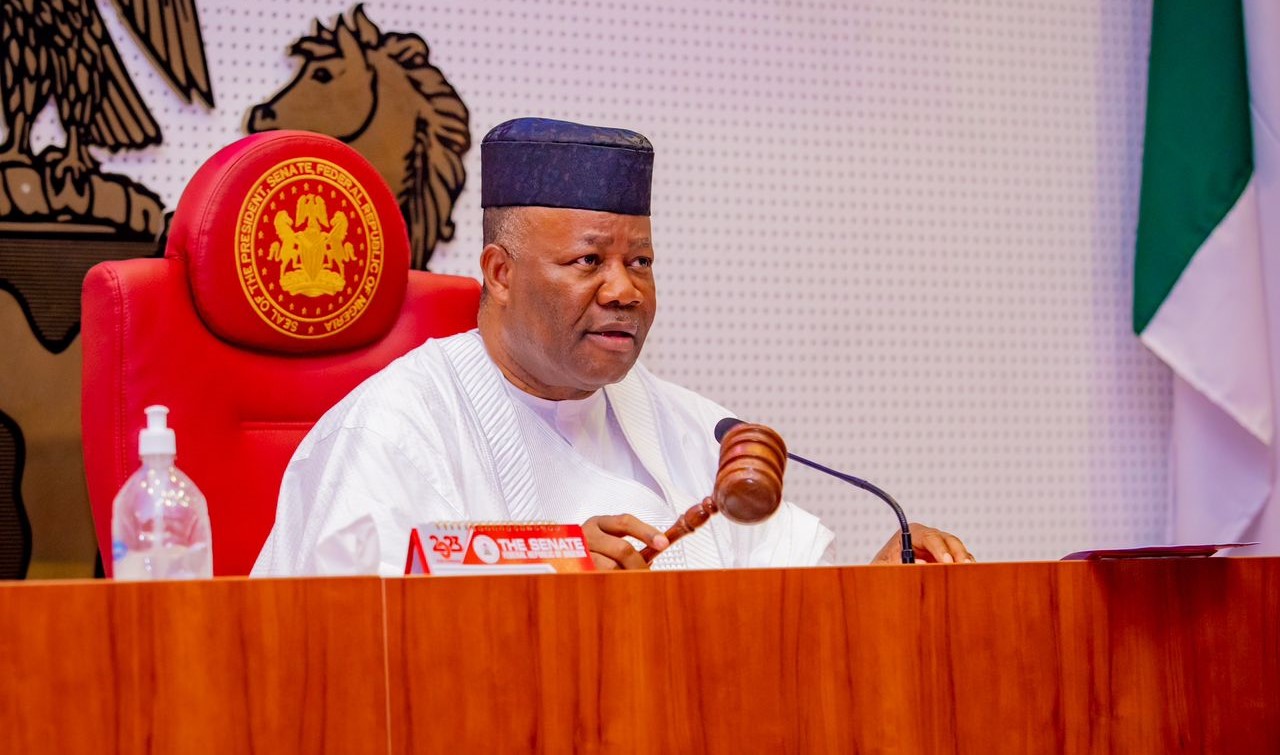
FILE: Akpabio

They made the call at the opening of the 15th National Security Seminar organised by the Alumni Association of the National Defence College in Abuja.

Represented by the Director of Policy and Strategy at the Office of the National Security Adviser, Yazid Gbemudu, the NSA said Nigeria’s territorial integrity and national stability were closely tied to the effectiveness of its border security framework.

He noted that while Nigeria’s extensive land and maritime borders facilitated trade, regional integration and socio-economic development, they also exposed the country to threats including terrorism, arms trafficking, smuggling, human trafficking, irregular migration and other forms of transnational organised crime.

According to him, weak border governance creates vulnerabilities that can be exploited by criminal and terrorist networks, thereby undermining national security and development efforts.

“A major pillar of Nigeria’s contemporary border security framework is the National Border Management Strategy, which promotes an integrated border management approach.

“The strategy seeks to enhance intelligence collaboration, strengthen border infrastructure, improve surveillance capabilities and modernise border management processes,” he said.

Ribadu said the deployment of Border Management Information Systems and other technological solutions at key entry and exit points had improved data collection, traveller screening and migration monitoring.

“These initiatives demonstrate Nigeria’s commitment to aligning its border management practices with international standards,” he added.

See also  Auto Crash: Police Arraign Anthony Joshua’s Driver Over Dangerous Driving, Others

The NSA stressed the need for the full implementation of an integrated border management system to improve coordination among security, intelligence and law enforcement agencies.

“Effective intelligence sharing, joint operations and harmonised border procedures are essential for addressing contemporary security threats,” he said.

He also advocated increased investment in technology-driven border security solutions.

“Expanding surveillance systems across land, maritime and coastal borders will significantly improve monitoring capabilities and reduce illegal cross-border activities.

“Modern challenges require modern solutions, including biometric identification systems, advanced border monitoring technologies and data-driven security frameworks,” Ribadu stated.

The NSA further emphasised the importance of regional and bilateral cooperation, noting that many of the security challenges confronting Nigeria’s borders were transnational in nature and required coordinated responses among neighbouring countries.

He also called for greater investment in border communities through sustainable development, improved infrastructure and economic opportunities to reduce their vulnerability to criminal exploitation.

“Strengthening Nigeria’s border security architecture is fundamental to ensuring national stability, protecting territorial integrity and promoting socio-economic development,” he said.

Ribadu, however, acknowledged challenges such as porous borders, inadequate infrastructure, limited technological capabilities and gaps in inter-agency coordination, saying they required urgent attention.

“Border security is a shared responsibility that requires the collective efforts of security agencies, government institutions, border communities and international partners,” he added.

Speaking at the event, Akpabio, who was represented by the Chairman of the Senate Committee on Defence, Ahmad Lawan, said Nigeria’s extensive land and maritime boundaries posed significant security challenges.

“As a country with extensive land and maritime boundaries, Nigeria faces significant challenges relating to border control, illegal migration, arms trafficking, smuggling and the infiltration of criminal and extremist elements.

See also  PHOTOS: Plane crashes in Kenya, k!lls six people

“It is, therefore, imperative that Nigeria prioritises the strengthening of its border security architecture through improved surveillance, enhanced infrastructure, better inter-agency coordination, technological innovation and stronger regional cooperation,” he said.

Akpabio noted that many of the security threats confronting Nigeria had transnational dimensions, making coordinated responses essential.

He stressed that peace and security remained prerequisites for meaningful national development.

“There can be no meaningful development without peace and security. Porous and poorly managed borders can become vulnerabilities that undermine national security efforts and national stability,” he said.

The Senate President also advocated a whole-of-government and whole-of-society approach to addressing insecurity.

According to him, government institutions, security agencies, civil society organisations, the private sector, traditional institutions, the media and academia all have critical roles to play in safeguarding the country.

Earlier, the Acting President of AANDEC, Commodore Amatare Kpou (retd.), described the seminar as a key platform for promoting informed discourse on national security challenges and opportunities.

Kpou said the theme of the seminar, “Strengthening Nigeria’s Border Security Architecture for National Stability,” was timely, given the growing threats of irregular migration, smuggling, trafficking and other cross-border crimes.

He expressed confidence that the deliberations would generate useful recommendations for policymakers and contribute to efforts aimed at building a safer and more secure Nigeria.

Nigeria shares over 4,000 kilometres of land borders with neighbouring countries and an extensive coastline, making border security a critical component of national security.

Authorities have repeatedly identified porous borders as channels for terrorism, arms smuggling, human trafficking and other transnational crimes.

The Federal Government has in recent years intensified efforts to strengthen border management through technology, intelligence sharing and regional cooperation.

See also  Nollywood actress, Aunty Ajara, dies after brief illness

punch.ng

FOLLOW US ON:

FACEBOOK

TWITTER

PINTEREST

TIKTOK

YOUTUBE

LINKEDIN

INSTAGRAM

Continue Reading

Trending