News
PHOTOS: Meet Nigeria’s New Military Chiefs

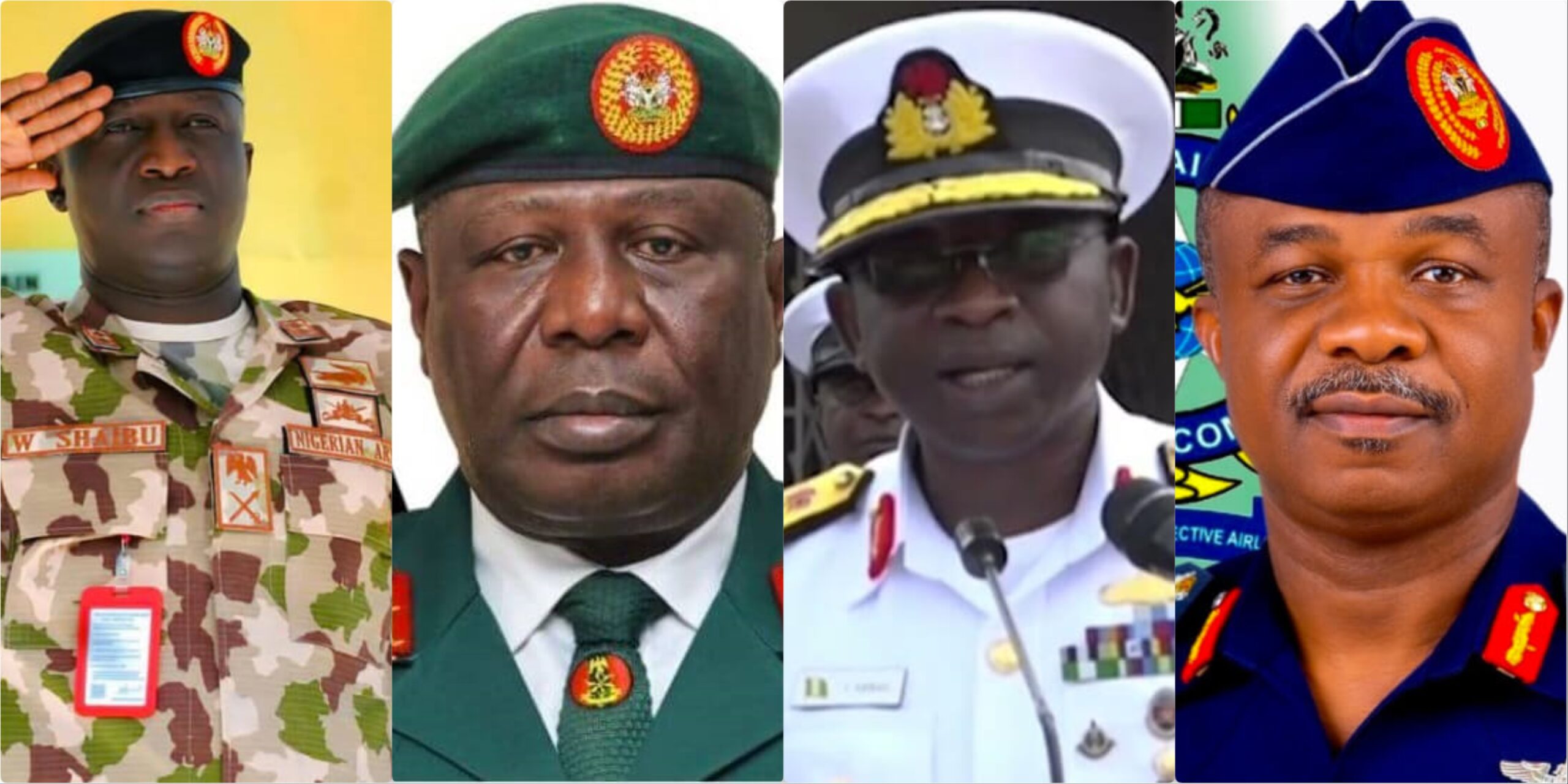
L-R, Chief of Army Staff: Major General Waidi Shuaibu,Chief of Defence Staff, Lieutenant General Olufemi Oluyede, Chief of Naval Staff, Rear Admiral Idi Abbas and Air Vice Marshal Sunday Aneke
President Bola Tinubu has replaced Nigeria’s service chiefs and appointed new officers to strengthen the country’s security architecture.
According to presidential spokesperson Sunday Dare, Tinubu named General Olufemi Oluyede as Chief of Defence Staff, Major General Waidi Shuaibu as Chief of Army Staff, Air Vice Marshal Sunday Kelvin Aneke as Chief of Air Staff, and Rear Admiral Idi Abbas as Chief of Naval Staff.
General Olufemi Oluyede (Chief of Defence Staff)
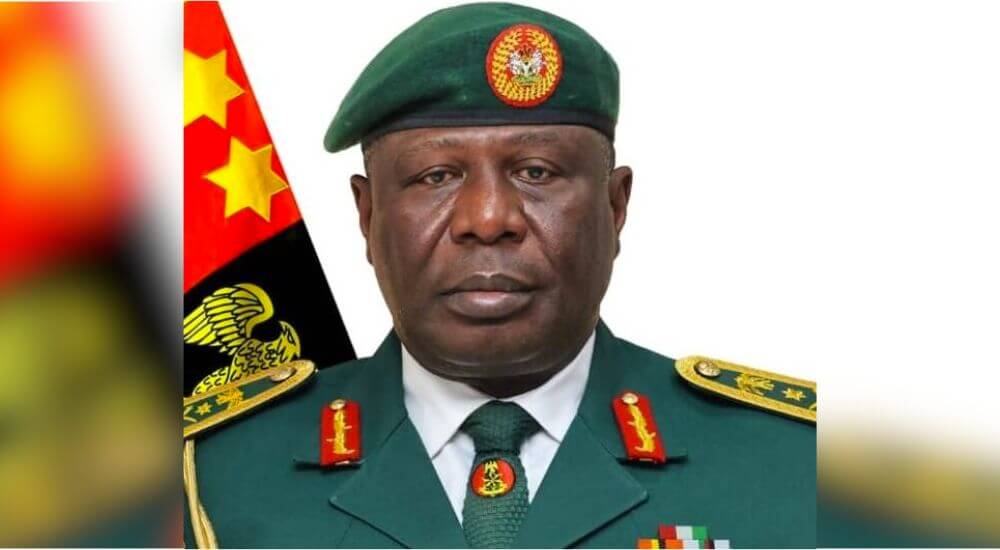
Lieutenant General Oluyede, a member of the 39th Regular Course of the Nigerian Defence Academy (NDA), is the new Chief of Defence Staff (CDS).
He was first appointed army chief after the death of his predecessor, Lieutenant General Taoreed Lagbaja, in November 2024.
Before he was appointed Chief of Army Staff, Oluyede previously commanded the Infantry Corps, the army’s largest unit responsible for leading ground combat operations.
The 57-year-old officer from Ekiti State began his military career in 1992 as a Second Lieutenant.
He has held notable command positions, including Company Commander of the 177 Guards Battalion and Commandant of the Amphibious Training School.
Oluyede also participated in major peacekeeping operations under the ECOMOG Mission in Liberia during the 1990s, gaining extensive field experience in regional military cooperation.
Major General Waidi Shuaibu (Chief of Army Staff)
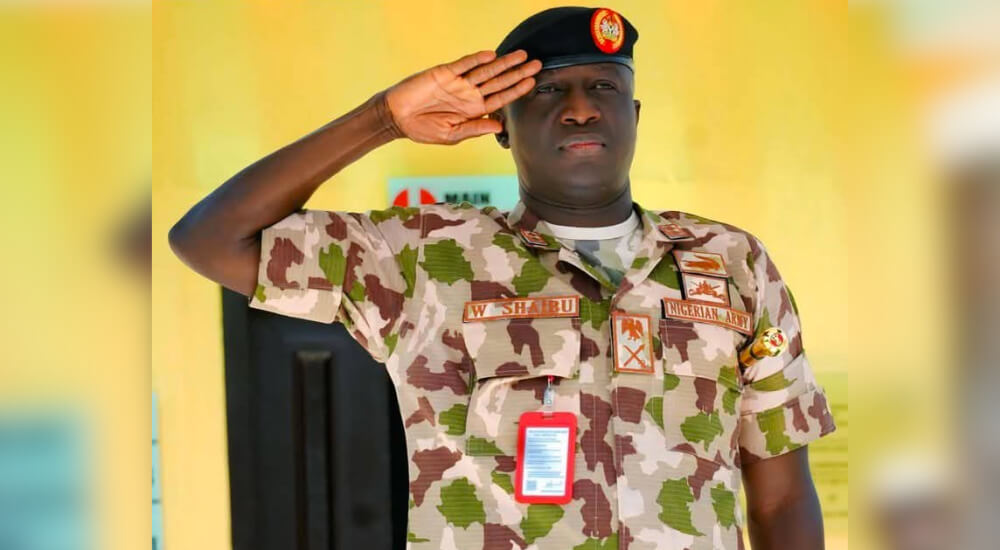
Major General Shuaibu succeeded Oluyede as the Chief of Army Staff after serving as the 14th Theatre Commander of Operation HADIN KAI in the North-East.
Under his leadership, troops refurbished and upgraded critical military hardware, including 10 VP-1 Type 89 APCs, five BMPs, three Steyr APCs, and six Camel MRAPs, preparing forces for the 2024 dry season operations.
The officer from Nasarawa State led the deep clearance operations into Sambisa Forest and the Tumbuktu Triangle in early 2024, targeting ISWAP and JAS strongholds. His Local Community Policing and Peace Enforcement initiative (LCPPE) strengthened trust between troops and civilians, improving intelligence sharing.
Between February 2024 and October 2025, he led operations that neutralised over 567 terrorists and resulted in the recovery of 492 weapons and 10,714 rounds of ammunition. Troops also confiscated 332 mobile phones, 54 communication radios, and disrupted insurgents’ networks.
Under Shuaibu’s command, the military rescued over 2,200 civilians from terrorist enclaves, executed 9,800 patrols, and launched nearly 1,000 offensive operations.
He also supervised Operation Desert Sanity III (Feb–June 2024), which enabled the release of more than 4,000 internally displaced persons (IDPs) in Kukawa.
His team eliminated key terrorist leaders, including Tahir Baga and Abu Rijal, during counter-terrorism raids in 2024. In recognition of his leadership, Operation HADIN KAI received the Security Watch Award in December 2024.
Major General Abdulsalam Enesi Abubakar later succeeded Shuaibu as the 15th Theatre Commander of OPHK.
Air Vice Marshal Sunday Kelvin Aneke (Chief of Air Staff)
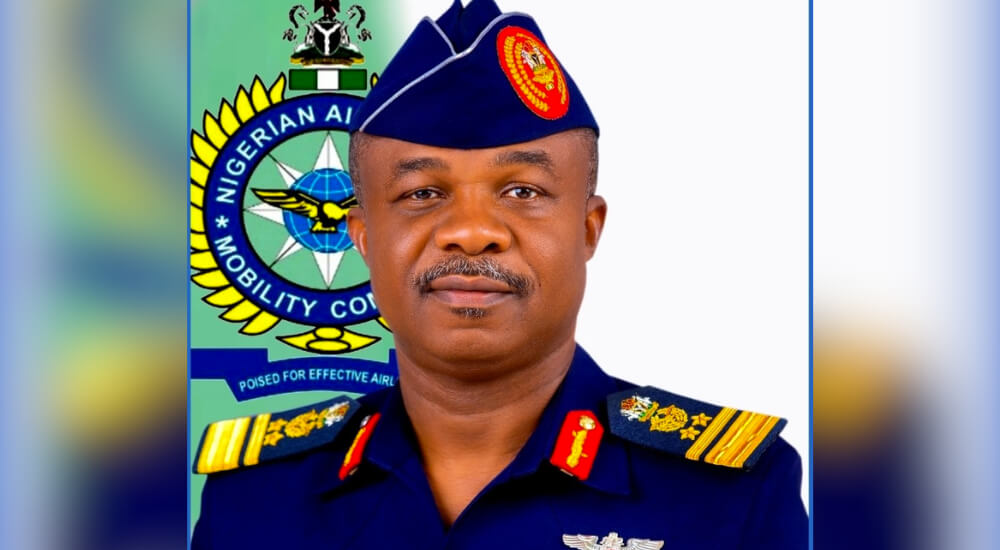
Air Vice Marshal Sunday Kelvin Aneke, who succeeded Air Marshal Abubakar, was born February 20, 1972, in Makurdi, Benue State, and hails from Udi Local Government Area of Enugu State.
He attended Army Children School, NDA Kaduna, and later Government College Kaduna, where he completed his secondary education in 1987.
Aneke joined the Nigerian Defence Academy in 1988 as part of the 40th Regular Course and was commissioned as a pilot officer in 1993.
His academic qualifications include a B.Sc. in Physics, PGD in Management, Master’s in International Affairs and Diplomacy, Master’s in Political Economy and Development Studies, and a Master’s in Strategic Studies from the U.S. Air War College, Montgomery, Alabama.
His extensive military training includes Aeromechanical Engineering, Basic and Ab-initio Flying Courses, and both Junior and Senior Staff Courses at the Armed Forces Command and Staff College, Jaji.
Aneke has flown aircraft models such as Air Beetle 18, Dornier 228, Falcon 900, Gulfstream V, Gulfstream 550, and Hawker 4000, accumulating over 4,359 flying hours and holding an Advanced Transport Pilot Licence (ATPL).
He served as commanding officer at Air Maritime Group, Benin, and Director of Policy at the Nigerian Air Force Headquarters. He also served with the United Nations Mission in Congo (MONUC) and was Deputy Commandant of the Nigerian Defence Academy before his appointment.
Married to Mrs Ngozi Enderline Aneke, he is a father of three sons — Chukwuebuka, Ifeanyichukwu, and Uchechukwu. His hobbies include flying, music, and movies.
Rear Admiral Idi Abbas (Chief of Naval Staff)
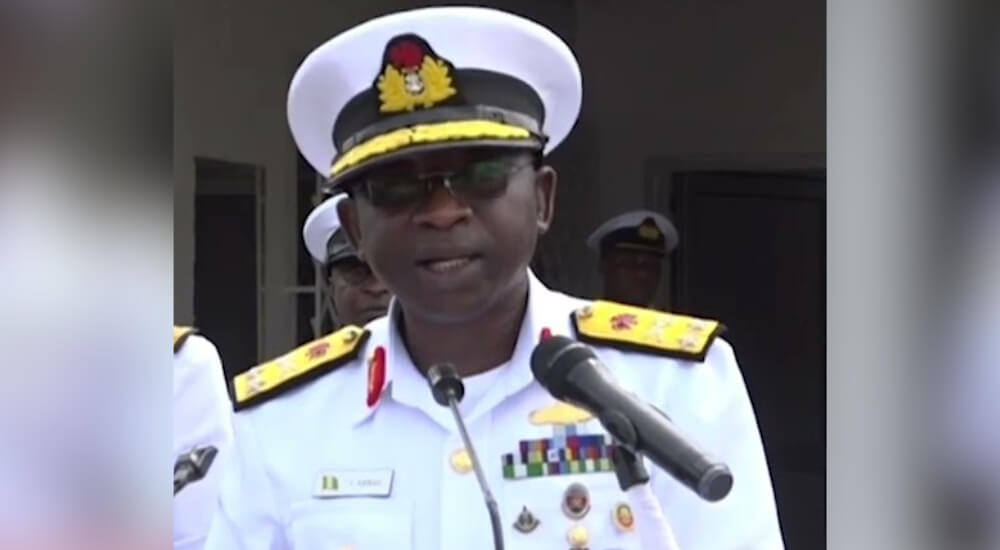
Rear Admiral Abbas, who succeeded Vice Admiral Emmanuel Ogalla, is a native of Tudun Maliki, Kano State.
He previously served as Flag Officer Commanding (FOC) Central Naval Command and Director of Operations at Naval Headquarters. Abbas helped coordinate anti-crude oil theft operations and maritime patrols across the Niger Delta.
In June 2020, he commanded the Nigerian Navy Ship (NNS) Victory, overseeing joint efforts against piracy and illegal bunkering.
Before he was appointed naval chief, he served as Chief of Naval Safety and Standards, following a reshuffle in June 2023. Abbas also served as a Senior Research Fellow at the Nigerian Army Heritage Centre, where he contributed to maritime strategy and policy studies.
FOLLOW US ON:

ussia has continued its invasion against Ukraine for more than four years and is showing no signs of backing down.
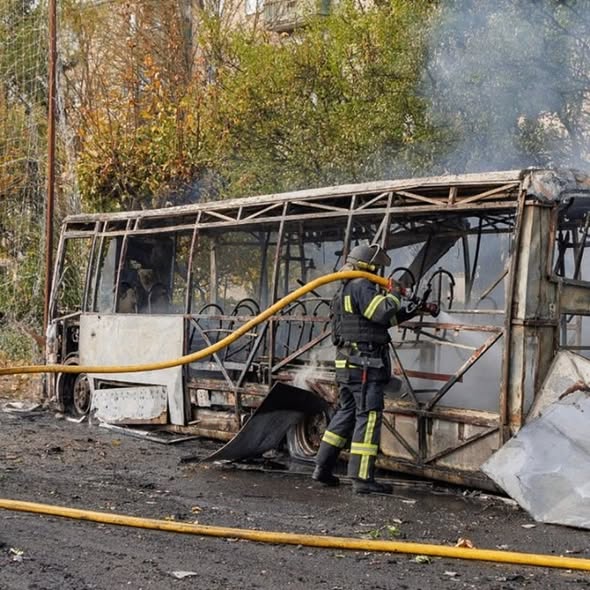
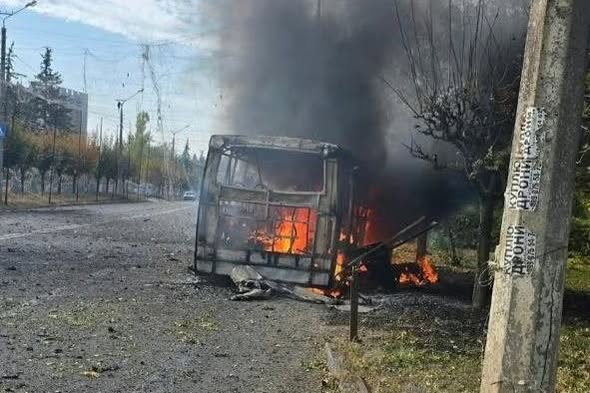
At leaat 33 people were k!lled when Russia carried out a bomb attack on the eastern Ukrainian city of Kramatorsk, authorities said on Thursday, October 8.
The Ukrainian authorities described the latest bombing as a targeted strike on civilians in the key stronghold sought by Moscow.
Another 18 people were wounded in one of the largest single attacks this year, which took place on a street where police said two city buses were operating at the time of the strike.
President Volodymyr Zelensky described it as a bus stop.
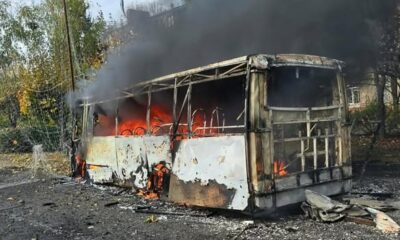
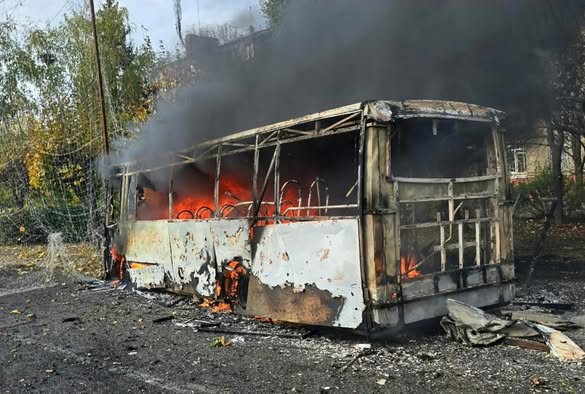
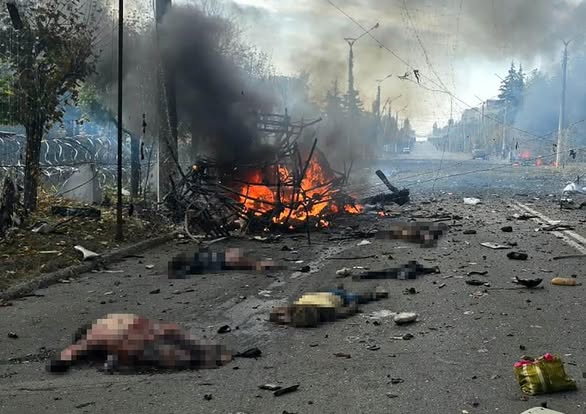
Images posted by police showed bodies strewn across a street littered with debris, as well as a charred shell of what appeared to be a bus.
“For them (the Russians), a bus with passengers is an attractive target precisely because one strike can kill as many people as possible,” regional governor Vadym Filashkin said on the Telegram app.
There was no immediate comment from Moscow on the attack.
Russia denies targeting civilians, though it has regularly pounded Ukrainian cities, towns and other targets during its full-scale invasion that began in February 2022.
FOLLOW US ON:

News
Belgian parliament to legislate to allow police to enter homes to facilitate undocumented migrant removals


Police arrest three suspected kidnappers, rescue 18-year-old victim in Abia

Three suspects arrested over alleged m8rder of 65-year-old woman accused of witchcraft in Niger State

PHOTOS: Russian bus stop bombing k!lls at least 33 in Ukraine

‘Sleeping Prince’ of Saudi Arabia dies after 20 years in coma

2027: Atiku delays ADC membership card collection amid rumoured Jonathan comeback

How A Class Of 24 Students Produced 2 Presidents, 4 Governors, 2 Ministers, 4 Emirs, 3 Justices, 4 Ambassadors and Other Influential Leaders


-

 Lifestyle12 hours ago
SOME PEOPLE WILL DO ANYTHING — EVEN EVIL — JUST TO MAKE MONEY!
-
Lifestyle12 hours ago
“I MADE THIS PERSON WHO THEY ARE TODAY!” — REALLY?
-
News55 minutes ago
Man decries absence of emergency workers as car burns on Third Mainland Bridge
-
News41 minutes ago
PHOTOS: Russian bus stop bombing k!lls at least 33 in Ukraine
-
Crime30 minutes ago
Three suspects arrested over alleged m8rder of 65-year-old woman accused of witchcraft in Niger State
-
Crime19 minutes ago
Police arrest three suspected kidnappers, rescue 18-year-old victim in Abia
-
Lifestyle12 hours ago
FAKE IT TILL YOU MAKE IT — BUT AT WHAT COST?