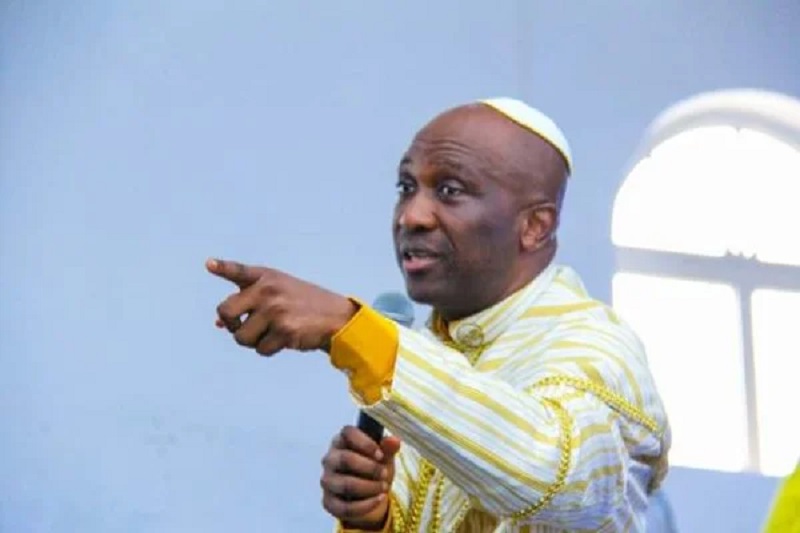
Good morning Nigeria and welcome to Easter for the year 2026. Happy Easter to you, your friends and your family from Naija News Team.
Easter is celebrated by people practising Christianity all over the world every third or fourth month of the year. March or April.
Today being Easter Sunday for the year 2026, many expect good wishes from their friends, family members and loved ones, hence, a need to compile one.
Below are some Easter messages, wishes and prayers you can send to friends, family members and loved ones.
1. A joyous Easter to you! May the light of Christ illuminate brightly in your life both today and forever.
2. May the blessings of God and his amazing grace be with you as you celebrate this Easter with thanksgiving in your heart. Have a blessed
Easter.
3. Christ has risen! Now we have a chance to renew our lives and hopes. I hope the spirit of the holiday renews your life and your aspirations as you celebrate.
4. Christ has always been a part of our lives. He has promised not to abandon us, so let us give gratitude to Him for his bountiful blessings upon our lives. Wishing you a joyous Easter.
5. Christ shed his precious blood to set us free, how lucky we are. Rejoice with gladness, for His resurrection marks a new beginning in our lives.
6. I pray for the miracle of Easter to give you all the happiness, fulfilment and love you’ve always ask for, and I wish you a bright and colourful celebration.
7. Easter is here! A day we can reflect and give thanks to God for all His great deeds in our lives. I pray you to celebrate this Easter with a peaceful, cheerful and joyous heart.
8. A beautiful Easter to you! I pray that you feel the love and happiness during the holiday and that you may be strengthened and renewed by the promise of Christ.
9. Let your heart be joyous as Christ has given us the greatest gift of all. The gift of life. May this Easter bring to you and your family eternal happiness and fulfilment.
10. Rejoice for Christ has risen. He made a promise of resurrection, and it assures us of a better tomorrow. I hope you and your family have a joyful Easter.
11. As we celebrate the miracle of Christ’s resurrection, I pray your heart absorbs the blessings it comes along it, I wish you the best of the day.
12. Christ has fulfilled His promise of resurrection. I pray your heart encounters the warmth and that God illuminates every darkness in your life.
13. Easter symbolizes a renewal of life, Hope and Happiness. I wish you a Happy Easter celebration.
14. My wish for you this Easter is that God Illuminate your path and fill your heart with warmth, Love and Joy. Happy Easter to you and your Household.
15. Christ has risen, and his resurrection will unfold His goodness in our life. You are one person that matters to me, so I wish you a happy easter
16. This Easter day is the hope of many new beginnings, love, and happiness. May the essence of the day never depart from the things you do all through the remaining part of the year.
17. May you experience joy and peace as you celebrate the resurrection of Christ. I pray that your home has the sweet feeling that our Lord Jesus lives forevermore.
18. I wish you the renewal of life this Easter season because Christ the saviour lives forever. I hope you have more joy than you have ever had in the spent part of the year.
19. I wish you more joyful celebrations, brighter days ahead and more blessings from God as you join the rest of the world to celebrate the resurrection of Jesus.
20. Happy Easter dear. May every bit of today fill you with plenty of love and happiness. You remain a blessing to the world.
21. I wish you and your family the happiest Easter celebration of a lifetime. Here is my truckload of peace and love to bond your family together.
22. I love Easters because I get to send more sweet wishes to the ones who matter to me. Always remember that it’s a day to feel the Lord’s blessings in our life.
23. May the air around you lighten your mood and bring peace to your soul. No matter what life throws at you, know that the Lord lives forever.
24. Let this Easter remind us of the need to be grateful. Christ’s sacrifice and the joyful resurrection should be enough to keep every worry off our heart today. It’s a new dawn. Happy Easter
25. Have a blessed Easter Sunday as you celebrate the father’s sacrifice through the son, Jesus Christ. Look up to the beautiful sky and spot the ray of hope for today and every day of your life.
26. May this Easter bring you to God’s warm love and trust in his living grace this Easter. You will be renewed and strengthened according to the promise of our Lord Jesus Christ. Have a blessed and wonderful Easter.
27. Have a fabulous Easter with love and happiness, joy and peace, bright feelings and may your heart experience the pleasure of God’s blessing. Happy Easter dear.
28. I pray that this Easter will bring you new hope, new faith, new goals, new aspirations, and new life. Have a wonderful Easter, my dear.
29. Here, I am sending my warm wishes to you and your family. May the resurrection of our Lord Jesus Christ bring hope to you and your family all year round. Happy Easter.
30. Let the Lord bless you abundantly and may his resurrection bring to you and your family abundant happiness that you have never felt before all through your existence. Happy Easter.
31. The spirit of hope and joy that Easter brings, help you to find contentment in all little things around you. Let there be a restoration of lost faith in the Lord. Happy Easter.
32. Our dear Lord Jesus gave his life for the ones he loves. Let us rejoice and be glad that he has risen. He has given us enough reason to live. Happy Easter.
33. I call upon the goodness and favour of the Lord in all you do. May the Lord send his guardian angels to protect you, and may the blessings of the Lord Jesus Christ always be with you. Happy Easter to you and your family.
34. Let the goodness of the Lord shine brightly on your face this Easter. Let his blessings and favour be on you immensely on this special occasion. May you have a pleasant and enjoyable Easter.
35. The resurrection of our dear Lord Jesus Christ has brought inner peace and satisfaction to our hearts. From the depth of my heart, I want to wish you a splendid and gracious Easter.
36. May this Easter never bring sadness to your life. May all your sadness forget you. May all your sorrows be eliminated. And the Lord will always bless you. Happy Easter to you and your family.
37. Easter day has come with lots of happiness, and peace of mind. The awesomeness of the Lord will visit you at the point of your needs. You are free indeed because our Lord has paid the debt in full. Have a prosperous Easter.
38. The Lord has sent his choicest and most special blessing upon you and your family this Easter day, and may you be blessed with inner peace. I send you and your family my best regard.
39. I just wanted to wish the unique and sweetest person in the universe loads of blessing and favour that is just as sweet as you this Easter day. Have a wonderful Easter.
40. At last, the day that all have been waiting for has finally come. The day our Lord Jesus resurrected. The tomb is empty now. May the resurrection of our Lord Jesus Christ fill our hearts with compassion, joy, love, hope, and endless blessings. Happy Easter.
41. Happy Easter to you. As you and your family celebrate this day, may God’s blessings fill your heart. Remember Christ’s perfect love for all humankind, let it be at the back of your mind that this love will fill your soul with hope all the days to come.
42. Today, we celebrate the father’s greatest sacrifice through his son Jesus Christ who died for all humanity. Happy Easter to you and your family.
43. The trees are blooming, and the flowers, sun, moon, and stars are celebrating the spirit of the risen Christ. He is up, and because of that, we have hope. Happy Easter to you and your family.
44. Today, Jesus is alive, and the tomb is empty. He is no longer in the grave. I pray as he has risen may every lost thing in your life increase again. Happy Easter to you.
45. This day is an opportunity to celebrate the unique person that Jesus Christ is, and remember that he died because of his love for every human. May the love of Jesus always live in your heart forevermore. Happy Easter to you.
46. Because our Lord is alive today, because we have a living God, therefore we have a living hope. Love, joy, and peace are here for us to share. May you enjoy God this Easter with happiness. Happy Easter.
47. As we celebrate (commemorate) the death and resurrection of our dear Lord Jesus Christ, may the reason for this season not be lost. Do well to have a wonderful and pleasant Easter celebration.
48. Easter is all about the love our Lord Jesus had shown to us selflessly. Never forget this undying love. He is the reason for this season. Let the hope and joy that cometh with Easter live with you forever. Happy Easter celebration.
49. Today, as he has risen, we celebrate him. May your heart experience peace of knowing him. I wish you the fulfilment of God’s blessing. Enjoy the day.
50. The sun, the bird, and humankind of different places and languages are celebrating the resurrection of our dear Lord Jesus Christ. He is our saviour. Have a beautiful Easter celebration.
51. Hallelujah, Jesus is alive. Hosanna to the Lord, the tomb is empty. Death could not hold him captive. He lives in us. He is risen and will reign forevermore. Happy Easter.
52. This Easter, may all the miracles you have waiting for a very long time locate you. May the Lord grant your heart desires. May the Lord bless you with more grace and eternal salvation. Happy Easter.
53. Make merry, and rejoice. Celebrate with people and don’t forget to put a smile on someone’s face. He is alive today, and we are free forever. It is a remarkable season. Our Savior died for us and had risen. Hallelujah, he has taken our worries away. Happy Easter.
54. He has given us another chance to renew our faiths, and we should be grateful to Him. His death has cleansed us from all of our sins. Now celebrate this Easter with a heart filled with love and peace. Have a blessed and beautiful day.
55. Easter brings happiness, Easter brings blessings, Easter brings compassion, Easter brings inner peace, and Easter brings renewed hope, faith and joy. Do well to have a pleasant Easter.
56. Easter is a beautiful day to celebrate all the wonderful things Christ has done for us. It is also an excellent time to enjoy all of your meaningful blessings. Happy Easter.
57. All those that believed in God will surely be blessed. Let the light of faith in God grow each day in your life. Have a happy, peaceful, pleasant and fun-filled Easter.
58. The reason why he came into the world was to die because of our sin and make us new again. All we pray this Easter is for him to save us both now and forevermore. Happy Easter.
59. Let the resurrection of Jesus Christ bring us closer to the new life Christ wishes for us. Here I pray for you to have an Easter filled with love, peace, joy, and blessing.
60. It is not all about the eating or even the dressing up for the church. It is all about the hope that we have because there was an empty tomb. Happy Easter to you and your family.
Religious Easter Messages Quotes
61. Easter is a reminder of Christ’s undying love for us. It reminds us that hope must never be lost, for as dark as the road may seem, there is always a light that lies at the end of it. May all your prayers be answered. Have a pleasant Easter.
62. Easter signifies God’s blessing to the world. It is a way of telling us that he loves us and that love and hope still exists in the world. Happy Easter.
63. On this Easter day, rejoice, free yourself from all doubt. Make today the best day of your life, and be grateful to God for all his blessings over us. Happy Easter.
64. Let us follow the footstep of our dear Lord Jesus Christ. For in him all our queries will be solved. I wish you a beautiful Easter celebration.
65. The reason for the death of our Lord was to reconcile with our father. Let us reconnect with God so that the rising of Christ won’t be in vain. May the joy of the season fill your life with laughter and peace. Happy Easter.
66. Christ is our hope of glory. May the glory we wait never elude us. So also cast our burden unto the Lord for he cares a lot for you. Do well to have a pleasant Easter.
67. Christ died that we might have everlasting life. May this Easter bring you closer to the father. May this Easter find us worthy of the risen Lord and may the hope of future Glory fill your heart and home. Enjoy this feeling this Easter brings.
68. The stone that was used to block the tomb wasn’t a barrier to his resurrection. He has our lives impacted with joy, peace, and hope. Have a splendid Easter.
69. As the Lord has risen, may your heart be filled With Gladness. May darkness and sorrow depart from your life forever. Have a fun-filled Easter.
70. I am taking out this time to wish the sweetest person a sweet Easter. May your faith in God grow and reach a great height. Happy Easter.
71. We are all thankful for the risen king. He has ascended to heaven, and we have a hope of a better life. We are not hopeless. Happy Easter from me to you.
72. Jesus Christ laid down his life for you and I so that we may live abundantly. Through him, salvation came. Jesus Christ is the perfect example of love. Have a happy Easter.
73. Spread the good news, the excellent message that Jesus has risen. We have hope today. May our lives conform to the faith we have found in Christ. Happy Easter.
74. Jesus Christ came as a sacrificial lamb for our sakes. May this Easter be a lovely one for you. Happy Easter to you and your family.
75. Let us take a moment of sober to reflect on the sacrificial love of our Lord Jesus Christ. Do well to have a glorious Easter.
76. May your heart be filled with gratitude for the sacrifice of Jesus Christ. This Easter will bring the greatest feeling of recovery and joy. May this Easter season shower you with harmony, love, and peace. Happy Easter dear.
77. Let us be grateful for his unshakeable faith in humanity and immense strength because Christ has risen. Happy Easter dear.
78. May our dear Lord resurrection bring great deed that will be cherished and be a point of reference. Let the season carry loads of happiness and love. Happy Easter.
79. May the holy spirit bless your heart and soul this Easter. Celebrate the day and make merry on the triumph of the resurrection of Christ. May your home experience happiness, peace, and hope. Happy Easter.
80. He has given us another opportunity, so let us praise the Lord for this opportunity. A chance to become a better person. May his love fill us with renewed hope and eternal love. Happy Easter.
81. May this Easter beautify your heart and bring peace and joy to you and your family. May the resurrection of our Christ fill your heart with love, hope, and comfort. Happy Easter.
82. Let us be grateful to the Lord for his loving blessings. May this beautiful season bring you the greatest feeling of gratitude, love, compassion, hope, and faith.
83. May this Easter be fun filled. My earnest prayer for you is that God’s blessing will shower upon you and your family. Happy Easter to you and your family.
84. On this glorious day, I want to wish you sincerely a happy Easter. May it be a joyful and peaceful one with a loving heart. Enjoy this beautiful season.
85. Hurray, it’s Easter time. Jesus had risen from the dead. He brought salvation to humanity. May this day be a new beginning of greater prosperity, success, and happiness. Happy Easter.
86. Jesus is alive. He came to the earth to give life. So every one of us may continue to live. He lives in us. Happy Easter to you and those that matter to you.
87. Through God’s divine grace, may this Easter Sunday bring the inspiration of new hope, happiness, prosperity, and abundance. Happy Easter dear.
88. He died so that we can live again. What manner of love is this? Let us celebrate his love. For he has risen After conquering death.
89. Let our heart rejoice, sing and be glad because Easter gives hope for tomorrow that will always linger in our heart. I am here wishing you a beautiful and pleasant Easter.
90. Easter is an opportunity to be thankful to our Lord Jesus Christ for all he has done for us. It is an excellent time to enjoy all your meaningful blessings with your family friend and loved ones. Do well to have a fabulous Easter.
91. I wish you and your family a fantastic Easter. May it bring to you and your family good health, happiness and lots of love. May all your dreams come true. Happy Easter dear.
92. Easter signifies the renewal of life. May you feel the bright, joyful, glorious blessings God has to offer you during this Easter holiday. May you experience the hope of new beginnings, life, and happiness during this joyous Easter holiday. Happy Easter.
93. May the spirit of the Lord fill your home this Easter and all the rest of tour days. I wish you a thrilling Easter that has plenty of love and happiness.
94. Here’s to hoping this Easter holiday brings your family health, happiness and lots of love. I pray you and your family ex[erience the happiest Easter of all time. God bless you now and always.
95. Happiness and unwavering faith shall the Lord bless your home with this Easter. May all of your dreams and wishes come true. I am sending you happy hugs this Easter. Happy Easter.
96. Easter is more than just rice and chicken. It is also about peace, love, and family. I wish you a bright Easter celebration that has the blessings of the Almighty.
97. Easter teaches us the meaning of faith and what it is to feel the Lord’s grace in our lives. May you find the renewal of hope, health, love and the spirit of God. Happy Easter to you and your lovely family.
98. Easter is the hope that this season enfolds in everyone’s homes. It’s not just about the Easter egg or bunnies. May God’s blessing come overflowing. Happy Easter.
99. As you celebrate Easter, may you remember God’s perfect and infinite love for all humankind and may that love fill you with hope for all the days to come. Happy Easter.
100. Easter is here again and so is new life and faith. Let your heart rejoice and be glad. Shout with joy and celebrate this great day. Have a blessed Easter.
Please note that the messages contained in this article were not originally compiled by this author but were edited where necessary.
FOLLOW US ON:
FACEBOOK
TWITTER
PINTEREST
TIKTOK
YOUTUBE
LINKEDIN