Connect with us

Lifestyle

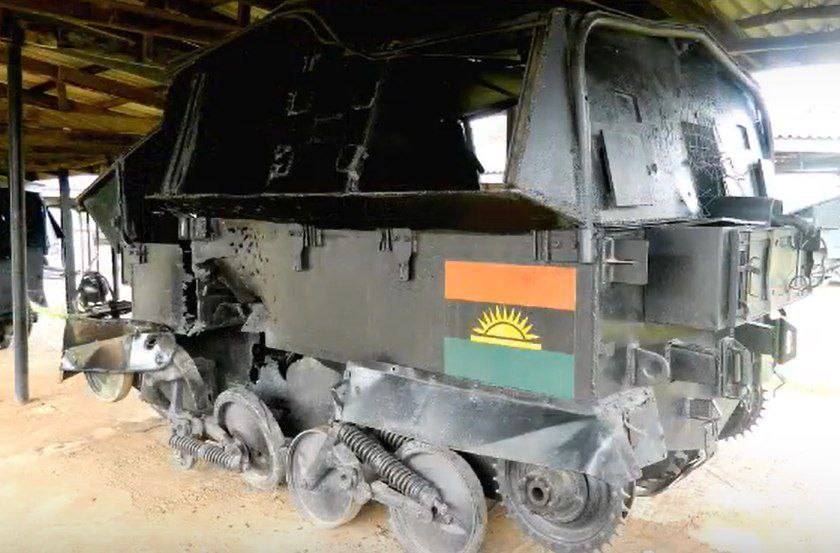
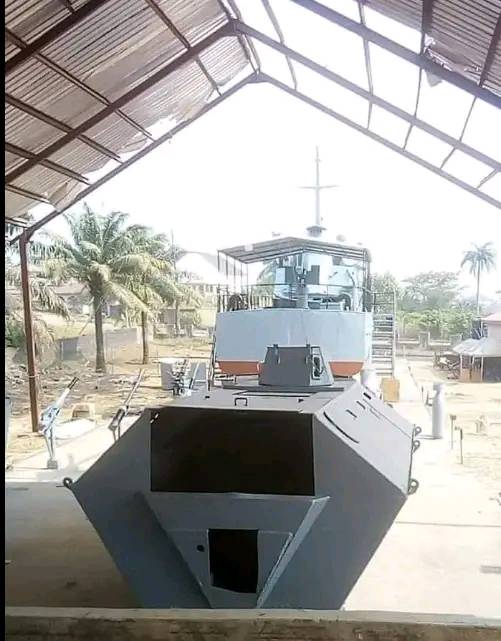
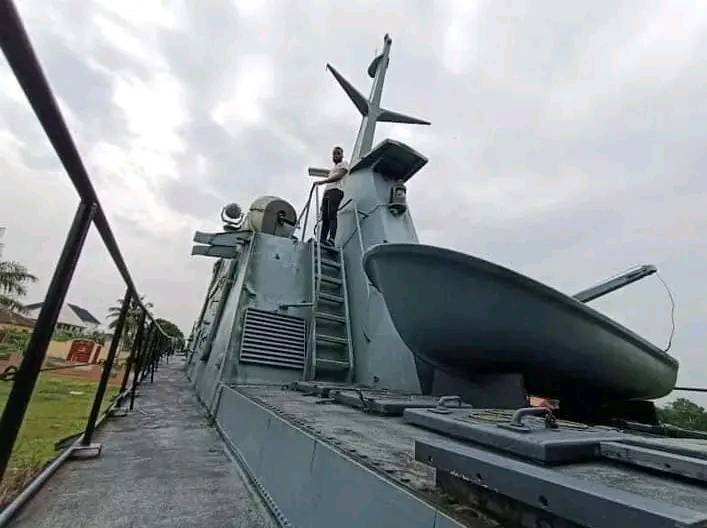
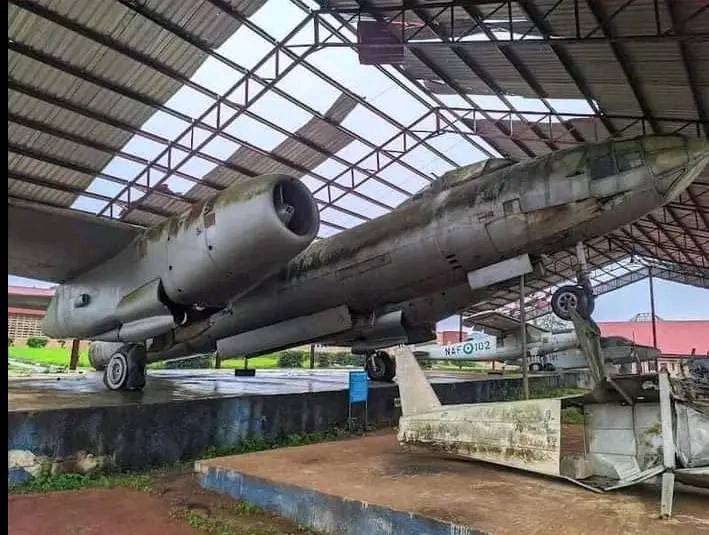
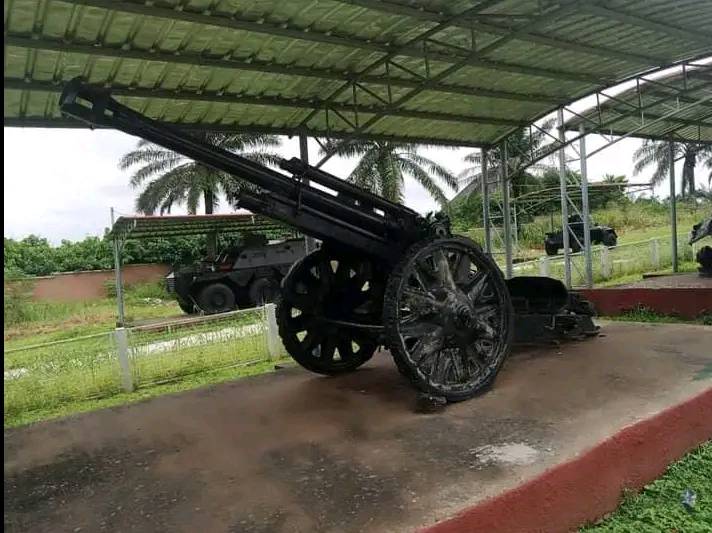
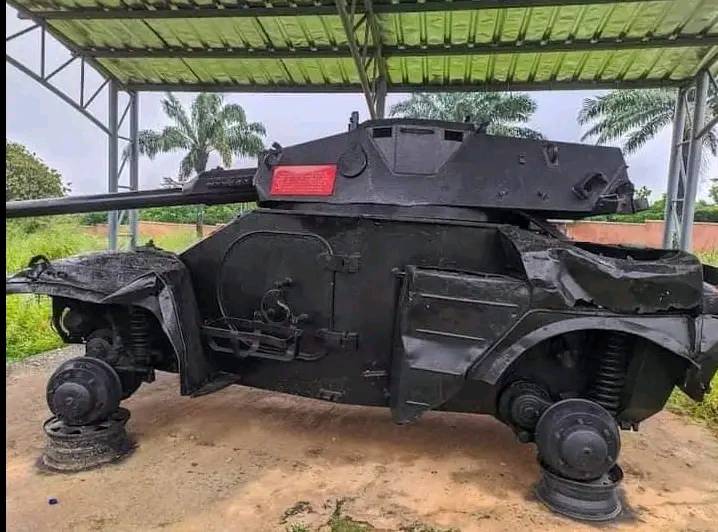
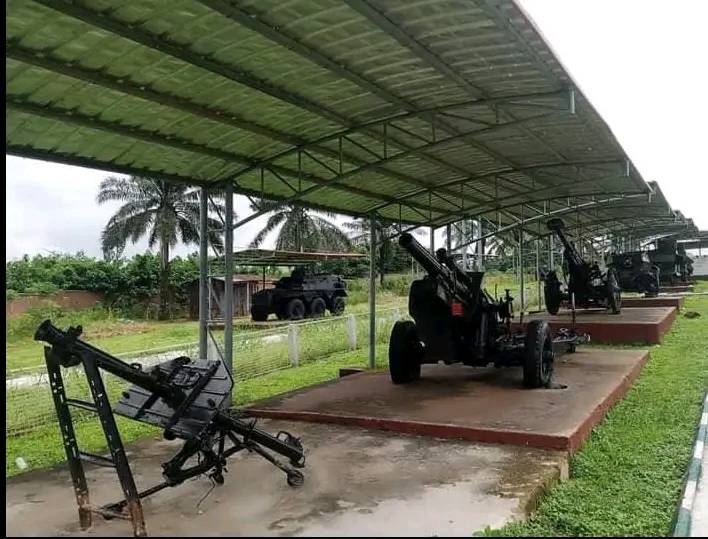
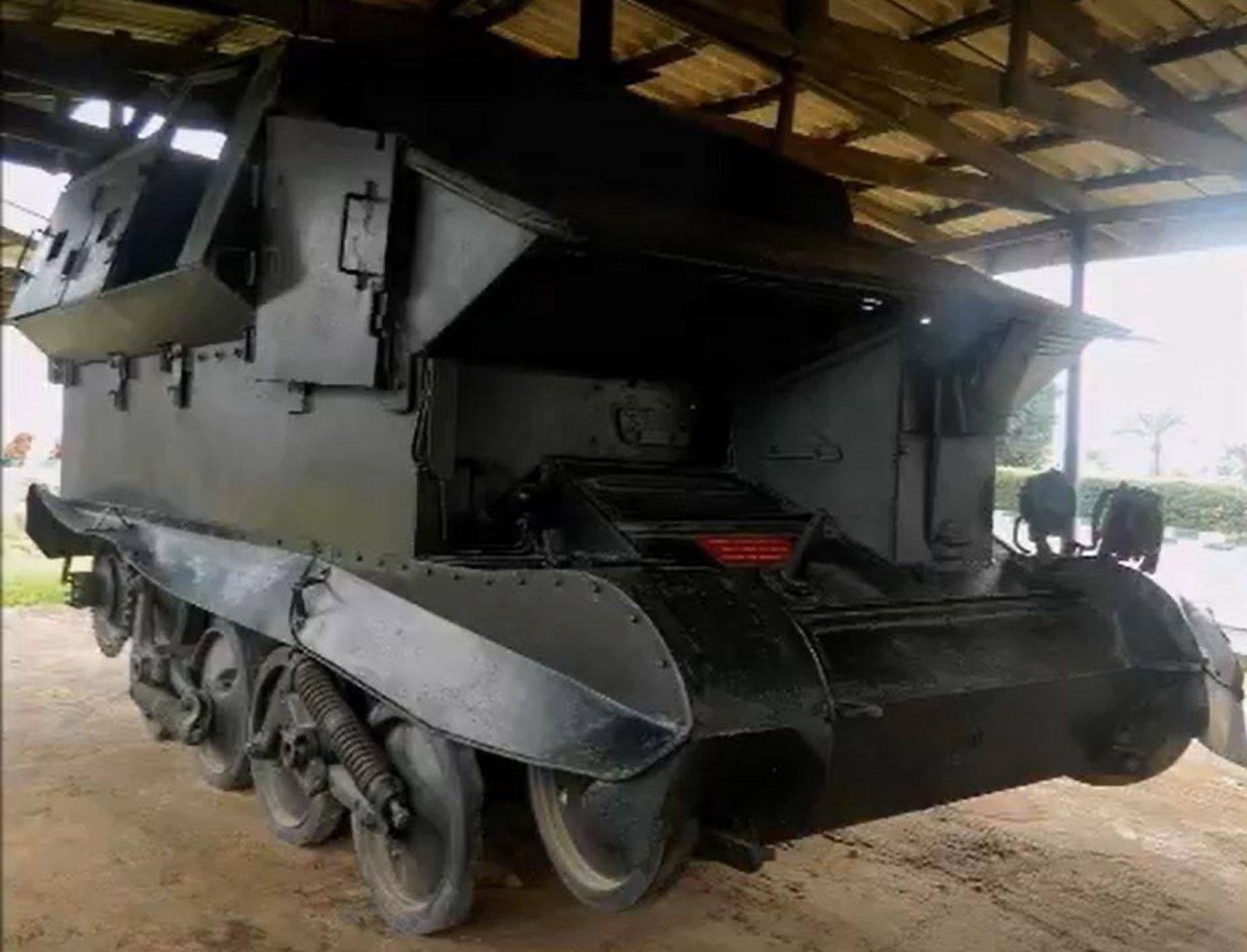
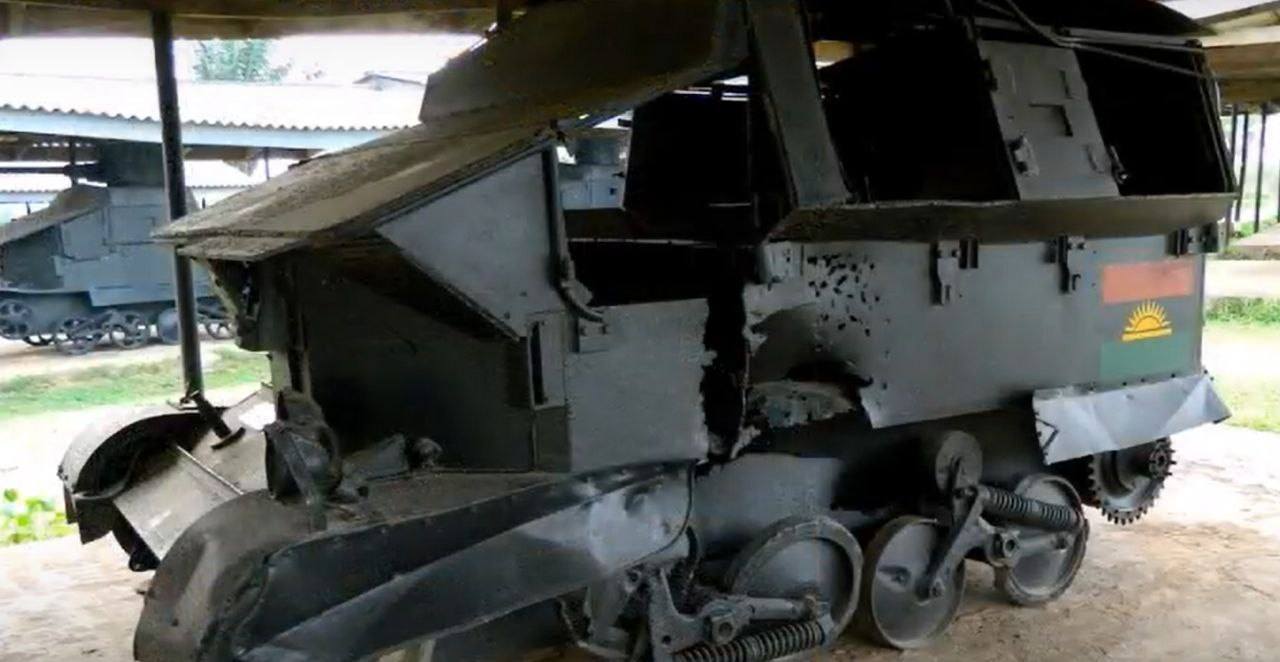
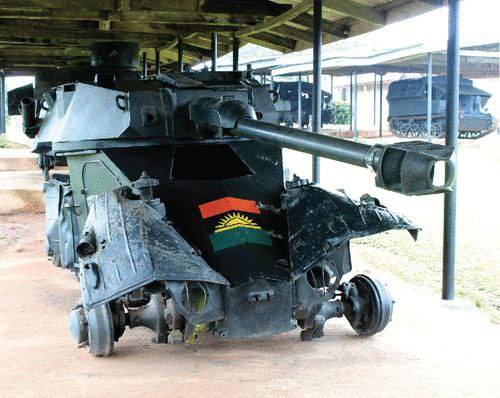
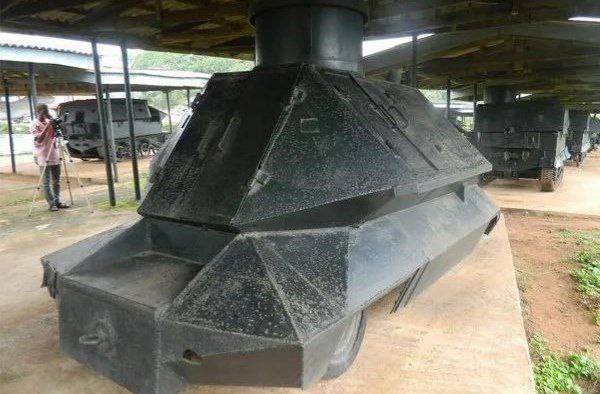
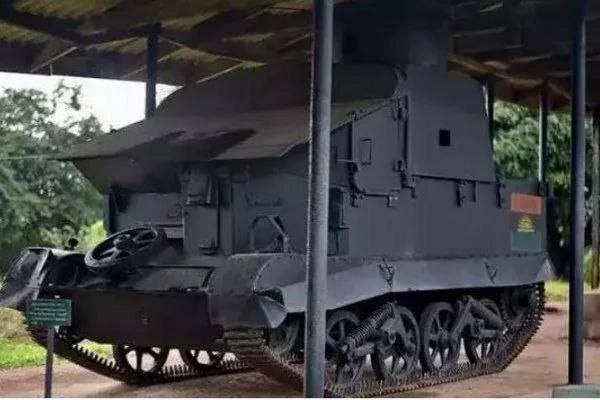
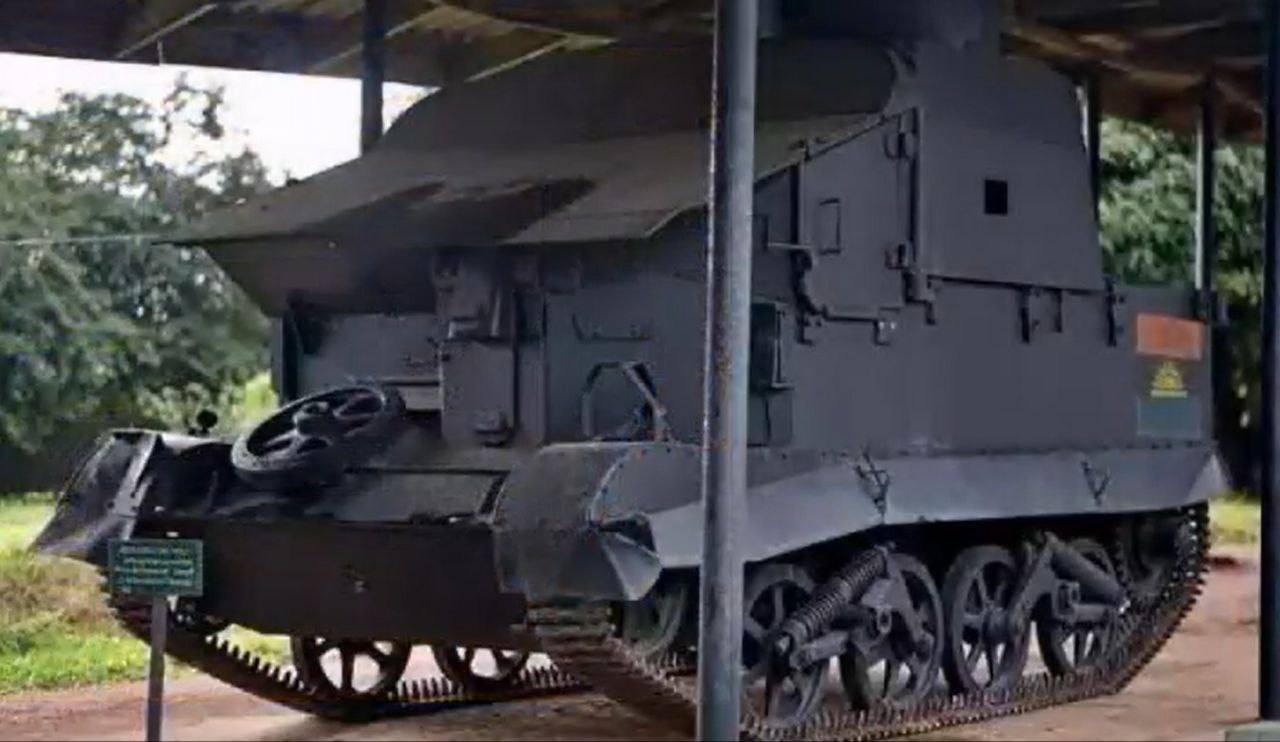
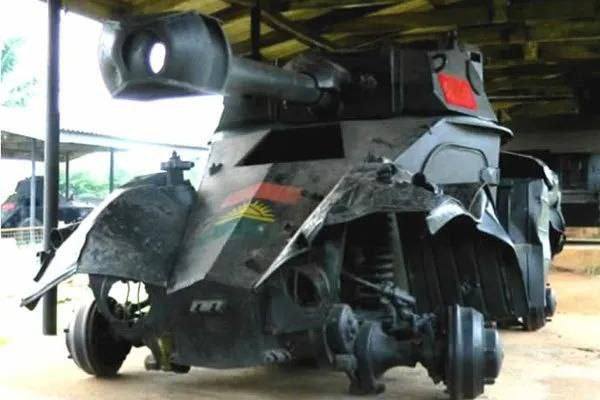
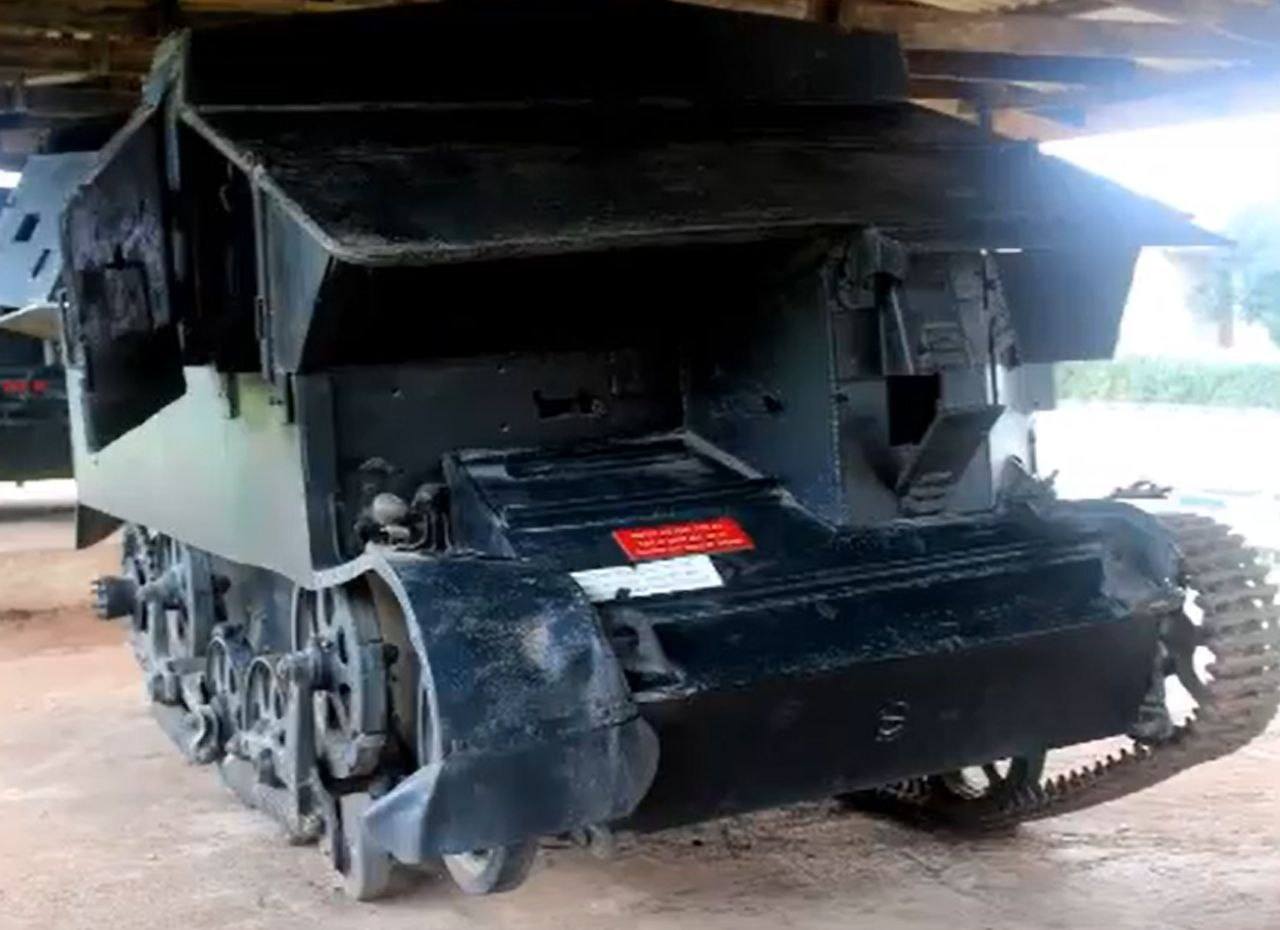
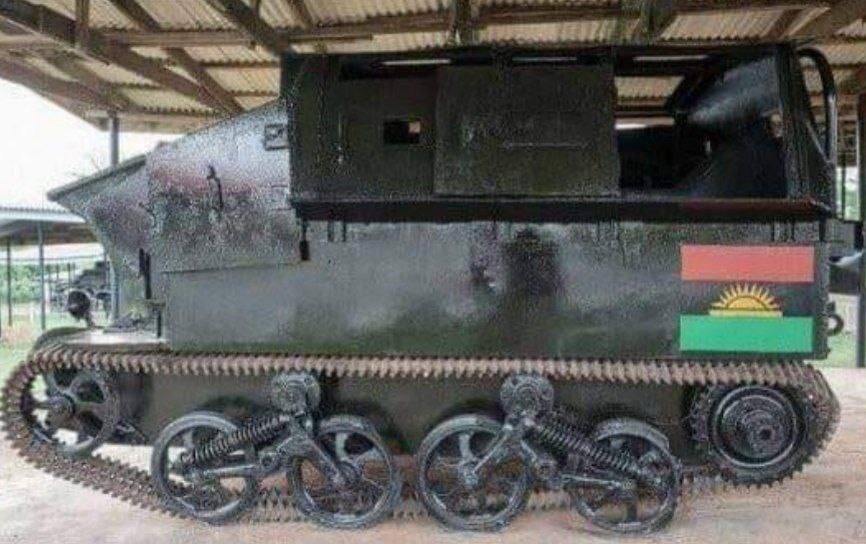
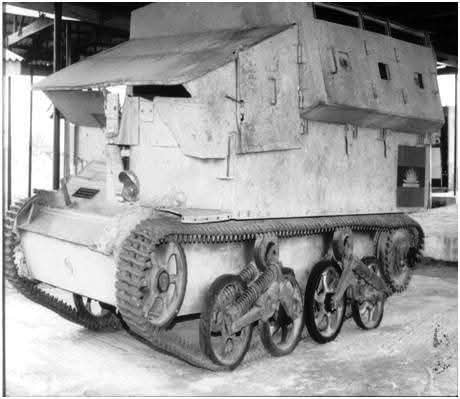
PHOTOS: A Biafran Armoured Vehicle at the National War Museum, Umuahia: Ingenuity in a Time of Siege

Published

on

Displayed at the National War Museum in Umuahia, Abia State, this armoured vehicle stands as a striking material reminder of the technological improvisation that characterised the Biafran side during the Nigerian Civil War (1967–1970). The vehicle is commonly identified as an up-armoured T16 Universal Carrier, adapted and deployed by Biafran forces in the face of severe resource constraints.

The Nigerian Civil War in Context

The Nigerian Civil War, often called the Biafran War, erupted in July 1967 following the secession of the Eastern Region of Nigeria as the Republic of Biafra under the leadership of Lt. Col. Chukwuemeka Odumegwu Ojukwu. The conflict was rooted in a complex mix of political instability, ethnic tensions, economic disputes, and the fallout from the 1966 military coups.
The federal government imposed a land, sea, and air blockade on Biafra, drastically limiting access to weapons, fuel, spare parts, and food. This blockade forced Biafran engineers, mechanics, and technicians to rely heavily on local innovation and adaptation to sustain their war effort.

The Up-Armoured Universal Carrier

The vehicle shown in the museum is believed to be based on the T16 Universal Carrier, a light tracked armoured vehicle originally designed during the Second World War. Universal Carriers were widely used by Allied forces and were present in Nigeria during the colonial era.
During the war, Biafran forces modified available carriers by:

Reinforcing them with improvised armour plating

Adapting engines and mechanical components using locally available materials

Reconfiguring them for reconnaissance, troop movement, or limited combat roles

See also  TWIN TOWNS IN YORUBALAND BUT MANY OF THEM ARE NOT YORUBA, AND NOT CONY CONY LIKE YORUBAS

Although such vehicles could not match the firepower or durability of modern armoured tanks, they represented a pragmatic response to isolation, allowing Biafra to maintain some level of mechanised capability.

Ingenuity Under Pressure

The armoured carrier exemplifies what many historians describe as Biafran wartime ingenuity. Alongside makeshift armoured vehicles, Biafra also produced:

Locally assembled rockets and mortars (such as the Ogbunigwe)

Modified civilian vehicles for military use

Small-scale refineries and workshops to support logistics

These efforts were driven by necessity rather than abundance, highlighting the role of technical skill and improvisation in asymmetric warfare.

Human Cost and Global Attention

The war resulted in devastating human losses. Scholarly estimates suggest around 100,000 military deaths, while civilian deaths range from approximately 500,000 to over 2 million, largely due to famine and disease exacerbated by the blockade. These figures vary widely among historians and humanitarian organisations, reflecting the difficulty of precise wartime accounting.
Notably, the Nigerian Civil War was among the first conflicts to receive extensive global television coverage. Images of starving Biafran children broadcast internationally shaped global humanitarian awareness and influenced the development of modern relief organisations.

Preservation and Historical Memory

Today, the presence of this armoured vehicle at the National War Museum, Umuahia serves an educational purpose rather than a celebratory one. It invites reflection on:

The realities of civil conflict

The limits and possibilities of local technological innovation

The enduring human and social consequences of war

As an artefact, it underscores how material culture can help future generations understand both the creativity and tragedy that emerge under extreme historical conditions.

See also  Police removed me from my abusive marriage — Victoria Inyama

Sources

National War Museum, Umuahia (museum displays and archival descriptions)

Nigerianland, Nigeria History Makers – Pictures

Falola, T. & Heaton, M., A History of Nigeria (Cambridge University Press)

FOLLOW US ON:

FACEBOOK

TWITTER

PINTEREST

TIKTOK

YOUTUBE

LINKEDIN

TUMBLR

INSTAGRAM

Continue Reading
Click to comment

Leave a Reply

Your email address will not be published. Required fields are marked *

Lifestyle

THE LIST OF 60 LAGOS TOWNS AND THEIR FOUNDERS. (Yorùbá history is still intact)

Published

on

1.Isheri Olofin – Olofin Ogunfunminire and his retinue from Ife before moving on to Ebute Metta and Iddo
2.Iddo Island – Olofin Ogunfunminire (See above)
3.Lagos Island/Eko – Aromire, son of Ogunfunminire. Iduganran was the site of a pepper farm (Ereko or Oko).
4.Iru/Victoria island – Oniru Origefon traditionally part of the idejo land owning children of Ogunfunminire
5.Ikate/Elegushi – Elegushi Kusenla (Another member of the idejo class)
6.Otto/Mainland – Pawu ogboja oloto
7.ijora/Orile iganmu – Kueji/Isikoko ojora
8.Ajiran – Ojomu Ejo/Mogisho, brother to Olofin Ogunfunminire
9.Ikoyi – Onikoyi Adeyemi/Efunluyi
10.Ebute Lekki (Ileke) – Lootu son of Labolo, grandson of Oba Alara of Epe.
11.Ibeju – Abeju Agbeduwa originally from ife through the coastal Ijebu area
12.Ajah – Olumegbon/Ogunsemo/Ojupon
13.Otto Awori – Aregi Ope, Iworu Oloja and Odofin, all part of the original Awori stream from Ife.
14.Ojo – Esugbemi/Erelu/Osu
15.Iba – Àyoká Oniba ekun
16.Mushin – Oduabore/Aileru
17.Isolo – Akinbaye/Alagbeji
18.Ejigbo – Fadu onimewon/Olojan
19.Ikotun – Ategbo Olukotun
20.Egbe – Kudaki/Akeja
21.Oshodi/isolo – Olusi onigbesa/Agedegudu
22.Ijegun – Ajibade Agbojojoye
23.Igando – Eseba onimaba/oko osi/Eshidana
24.Eleko – Sobokunren
25.Akesan – Ominuye/Aina òdofin
26.Ogba (Ikeja) – Owoeni Asade/Madarikan
27.Ogudu – Amosu from Ile ife
28.Ikeja – Amore/Ikudehinbu
29.Aguda/Surulere – Gboin /Odunburé
30.Itiré – Òtá Onitire
31.Ilasa – Àbere ijé
32.Onigbongbo – Ikunyasun Àwusefa
33.Irewe – Edinni/Ojube/Oluwen
34.Ikosi-Kosofe – Aina ejo from Isheri
35.Idimu – Eletu Apataiko (Isa Aperindeja Olugoké)
36.Ilara-Epe – Tunse/Sabolujo/Alara Adejuwon
37.Ibonwon – Soginná from Ijebu
38.Ketu (kosofe) – Balogun oyero from Ketu-Ile
39.Ojokoro – Oniojugbelé Adeitan from Ota
40.Ikaare – Ikeja Ajija
41.Orile Agege – Efunmikan
42.Obele odan (Surulere) – Alago asalu
43.Ikorodu – Oga from Epe Sagamu
44.Epe – Uraka from Ife joined by Isein & Modu of Omu. they settled under a Popoka tree, that site became Poka township. Alaro (a woman) later joined. Then Ramope, Ogunmude and Oloja Shagbafara joined from Ijebu ode.
45.Odo Ayandelu – Ayandelu from Ile ife
46.Agbowa – Olayeni Otutubiosun son of Owa Otutubiosun who was Awujale, and grandson of Lafogido of Ife.
47.Igbogbo – Oshinbokunren
48.Meiran – Oroja from Ota
49.Imota – Ranodu from Ijebu
48.Owode Apa badagy – Oganogbodo-Akereyaso/Asese Alapa
50.Ajido – Aholu sagbe from Allada
51.Oworoshoki – Ajumogijo
52.Iworo/Imeke – Ajagunosin/Adejori isejoye
53.Badagy – Egun people from Popo, Allada, Wida and Weme who fled the wars of the Dahomey conquest of the coastal kingdoms of Allada and Igelefe (Ouidah) to come settle of Apa lands to their east.
54.Ejinrin – Loofi Ogunmude founded Ejinrin around 1619
55.Eputu Lekki – Ogunfayo
56.Orimedu Ibeju/Lekki – Ladejobi left Ife to Okegun then crossed the Lekki Lagoon.
57.Akodo – Oyemade Ogidigan
58.Offin – Liyangu of Ife.
59.Ibonwon – Soginna from Ijebu ode.
60.Ijede – Ajede

See also  Parents shouldn’t hide medical history from children — British-Nigerian urologist

FOLLOW US ON:

FACEBOOK

TWITTER

PINTEREST

TIKTOK

YOUTUBE

LINKEDIN

TUMBLR

INSTAGRAM

Continue Reading

Lifestyle

Ìwòyè-Kétu: The Yoruba Town That Spans Two Nations and Lives by Ancient Taboos

Published

on

Ìwòyè-Kétu is one of the most remarkable Yoruba communities in West Africa, not only for its deep-rooted traditions but also for its unique geopolitical identity. The ancient town straddles two modern nation-states—Nigeria and the Republic of Benin—yet remains culturally, spiritually, and traditionally unified as one Yoruba settlement.

A Town Without Borders in Spirit

Geographically, Ìwòyè-Kétu is primarily located in Imeko/Afon Local Government Area of Ogun State, Nigeria, while its western section lies across the international boundary in the Republic of Benin. This border, imposed during the colonial partition of Africa, cuts through the town but has failed to divide its people.

Families live on both sides of the boundary, speak the same Yoruba dialect, observe the same customs, and recognise one traditional authority. Daily life reflects this dual reality: residents freely transact using both the Nigerian naira and the West African CFA franc, depending on location and convenience.

Unified Kingship Across Nigeria and Benin

Despite existing in two countries, Ìwòyè-Kétu is governed traditionally by one paramount ruler. The recognised monarch is:

His Royal Majesty Oba (Sir) Isaac Adegbenro Oyero,
the Ooye of Ìwòyè-Kétu, also styled Adekilúrójú – Ada Páàkó II.
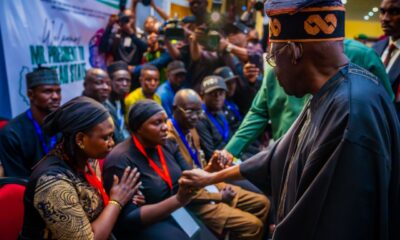
His authority is acknowledged by the community on both sides of the border, making Ìwòyè-Kétu a rare example of a binational Yoruba town under a single royal institution.

Origins in Ile-Ife

According to Yoruba oral tradition, Ìwòyè-Kétu was founded by Olúmu (or Olómù), a legendary migrant from Ilé-Ifẹ̀, the spiritual homeland of the Yoruba people. Like many Yoruba settlements, its founding narrative emphasises migration from Ife, reinforcing the town’s ancient roots within the broader Yoruba civilisational story.

See also  Colonel Ahmed Usman (20 August 1951 - 14 April 2021)

Ìwòyè-Kétu forms part of the historic Kétu region, once a powerful Yoruba kingdom before European colonial boundaries fragmented it between British-ruled Nigeria and French-ruled Dahomey (now Benin).

Sacred Taboos That Still Govern Daily Life

Ìwòyè-Kétu is widely known for its strict traditional prohibitions, which continue to be enforced by custom and belief:

Use of umbrellas is strictly forbidden anywhere within the town.

Rearing pigs is prohibited, and pork is traditionally avoided.

In some oral accounts, digging wells is either forbidden or tightly regulated.

These taboos are believed to be tied to ancestral covenants, spiritual agreements, and the town’s founding myths. Violations are traditionally thought to invite misfortune, reinforcing collective adherence across generations.

Language, Culture, and Continuity

Despite the Nigeria–Benin divide, Ìwòyè-Kétu remains culturally seamless. Yoruba language, customs, festivals, and lineage systems are shared. The town stands at a linguistic crossroads where English and French meet administratively, but Yoruba remains dominant socially and spiritually.

A Living Example of Pre-Colonial African Unity

Ìwòyè-Kétu exemplifies how pre-colonial African societies continue to transcend modern borders. Long before Nigeria or Benin existed, the town functioned as a single cultural entity—and it still does.
In an era where borders often define identity, Ìwòyè-Kétu reminds us that history, tradition, and shared ancestry can be stronger than lines drawn on maps.

Sources

Yoruba oral traditions and local historical accounts of Ìwòyè-Kétu

Ogun State local government and cultural heritage records (Imeko/Afon LGA)

Nigerian media reports and cultural features on Ìwòyè-Kétu’s taboos and binational status

Community welcome signage and local testimonies

Cross-border Yoruba history of the Kétu Kingdom (Nigeria–Benin)

See also  MFM’s Daniel Olukoya releases 2026 prophecies

FOLLOW US ON:

FACEBOOK

TWITTER

PINTEREST

TIKTOK

YOUTUBE

LINKEDIN

TUMBLR

INSTAGRAM

Continue Reading

Lifestyle

Emotan; The Benin Heroine (PHOTOS)

Published

on

Throughout history, in every culture around the world, extraordinary women have pushed society to think bigger, move forward and create.

Emotan is a glowing example of boundless courage and world-changing ingenuity.

Emotan a market woman, single-handedly raised an army and overthrew the illegal regime of Oba Uwaifiokun who usurped his brother and conspired with his chief to kill King Ewuare.

She protected Oba Ewuare in her hut and showed him kindness when he was trying to reclaim his throne back.

Emotan helped install Oba Ewuare the Great, who was the most outstanding Oba in the ancient Benin Kingdom around 1440AD.

Eventually, when Oba Ewuare regained his throne, Emotan became the King’s favourite citizen.

Moreso, her kindness wasn’t restricted to the Oba alone, history tells us that Emotan converted her hut to a crèche to help nursing mothers who patronized her or came to the market for other things.

At that time, her daycare centre was popular in Benin and it can be said authoritatively that she started the first-day care centre in Benin.

After her death, her body was buried at the Oba market at the exact spot where she sold her goods. A tree was planted on her grave and she is being worshipped as the mother of love and kindness

Source: Benin achive

FOLLOW US ON:

FACEBOOK

TWITTER

PINTEREST

TIKTOK

YOUTUBE

LINKEDIN

TUMBLR

INSTAGRAM

See also  Ekei Eyo as Malvolio in Shakespeare’s Twelfth Night, Queen’s College for Girls, Lagos Circa 1940s
Continue Reading

Trending