Far away from another pandemic, it seems. Earlier this month, the World Health Organisation issued its latest alarm about the deteriorating state of global health financing – a stark new reality as the world stands on the brink of a renewed pandemic threat.
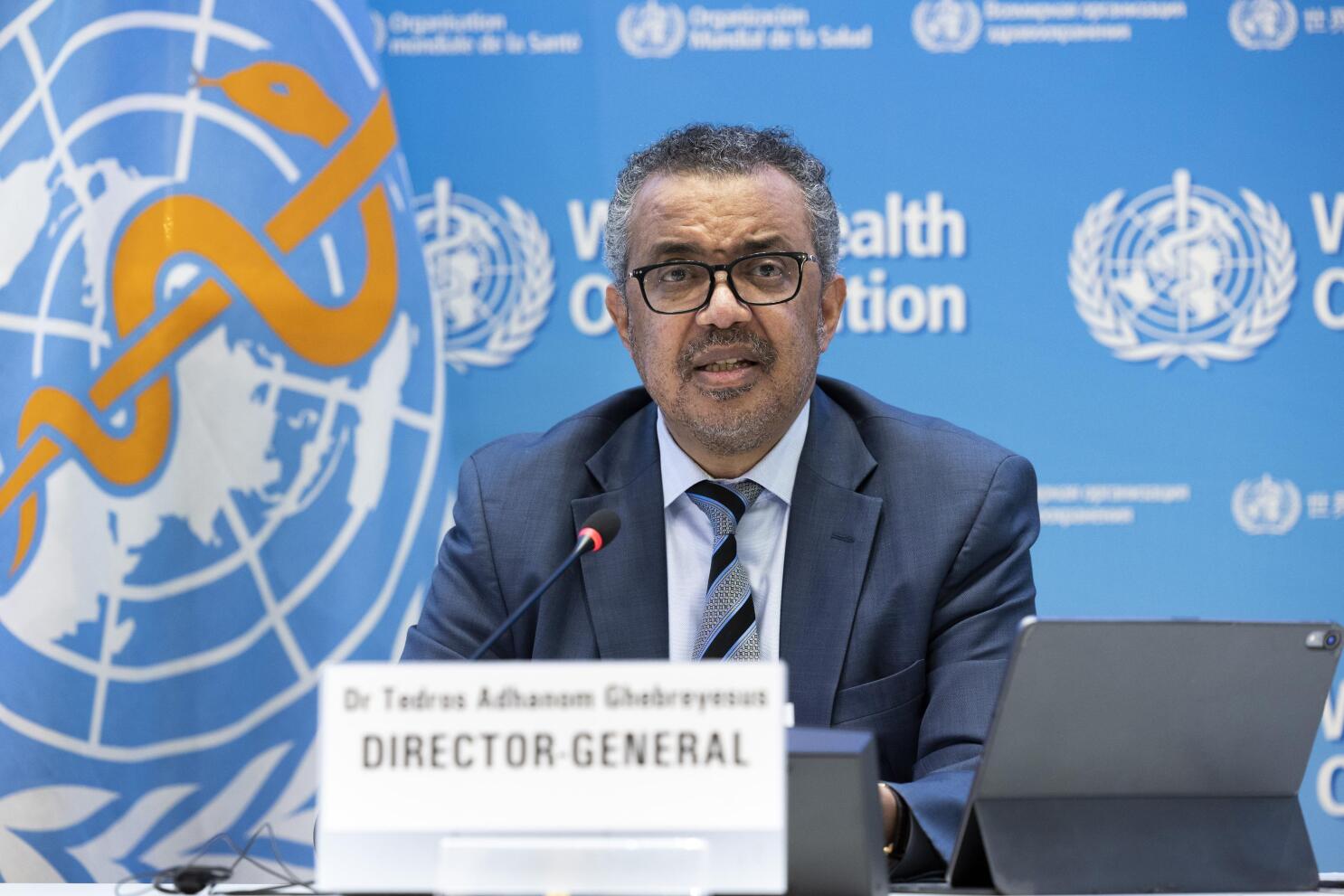
At the opening of the WHO Executive Board in Geneva on February 2, the Director-General Tedros Ghebreyesus, told health ministers and diplomats that sudden and severe cuts to bilateral aid “have also caused huge disruptions to health systems and services in many countries,” describing 2025 as “one of the most difficult years” in the agency’s history.
Indeed, the recent tragic death of renowned soprano singer, Ifunanya Nwangene, following a snake bite in her Abuja apartment—reportedly worsened by the unavailability of snake antivenom—has reignited concerns about the far-reaching consequences of inadequate healthcare funding in Nigeria.
According to WHO data, an estimated 4.6 billion people worldwide still lack access to essential health services, and 2.1 billion face financial hardship because of health costs.
Pandemics have repeatedly reshaped human history, exposing the strengths and weaknesses of societies while testing public health systems, economies, and governance structures.
They are not only medical emergencies but also social and economic crises that disrupt daily life, strain institutions, and deepen existing inequalities.
The rapid spread of infectious diseases across borders highlights how interconnected the modern world has become, making preparedness, surveillance, and timely response essential.
The COVID-19 pandemic is a recent and striking example of how devastating a global health crisis can be. It exposed gaps in healthcare funding, particularly in low- and middle-income countries where access to testing, vaccines, and treatment was limited.
Outbreaks such as Ebola in West Africa between 2014 and 2016 demonstrated how fragile health systems, misinformation, and delayed responses can worsen the toll of a pandemic.
Together, these examples underscore the importance of sustained investment in healthcare, public trust, and international cooperation to reduce the impact of future pandemics.
Meanwhile, a projected shortage of 11 million health workers by 2030 — more than half of them nurses — threatens the very backbone of pandemic prevention, detection and response.
These unsettling projections come amid a backdrop of dramatic shifts in international health financing. In January, the United States formally withdrew from the WHO, ending a role it has played for decades.
The US had previously been one of the largest contributors to the WHO’s budget, covering nearly a fifth of its funding. Its exit forced the agency to revise its finances, including planning for a 21 per cent budget reduction in the 2026–27 cycle, and to make staff and programme cuts across regions.
The ripple effects are already visible. WHO surveys conducted in 2025 across 108 low- and middle-income countries showed that funding cuts reduced key services, including maternal care, vaccination, emergency preparedness and disease surveillance, by up to 70 per cent in some settings. This is alarming.
Even more troubling, 70 per cent of countries reported disruptions to health emergency preparedness and response, and 66 per cent to public health surveillance, during the same period, according to WHO rapid assessments.
These disruptions translate directly into lives at risk. On the malaria front, recent WHO reports show that investments which once helped prevent more than 2 billion cases and nearly 13 million deaths are now jeopardised as planned preventive campaigns and distributions of insecticide-treated nets are delayed or derailed.
These dips in global health aid, especially from major donors, could lead to millions of additional cases and deaths from tuberculosis and other infectious diseases over the next decade.
The lessons COVID-19 vividly echoed to the world are that pathogens do not respect borders. The Nigerian government needs to turn this funding crisis into an opportunity for investment in research and development to develop local production and standardisation of life-saving medicine.
In Nigeria, the federal and state governments need to invest in resilient health systems, from community clinics to national laboratories. There should be cuts in wasteful government spending, tackling the entrenched culture of corruption and developing the country’s healthcare system.
punch.ng
FOLLOW US ON: