Connect with us

Business

Nigeria needs 25m tonnes of maize annually – FG

Published

on

The Federal Government says Nigeria requires no fewer than 25 million tonnes of maize annually to meet national demand and strengthen food security.

The Minister of State for Agriculture and Food Security, Sen. Aliyu Abdullahi, disclosed this on Friday in Abuja during a Quarterly Citizens and Stakeholders’ Engagement meeting.

Abdullahi said the government had intensified efforts to meet the demand by boosting local production and reducing dependence on food imports.

“Our focus is on expanding local production so affordable and nutritious food becomes accessible to every Nigerian,” he said.

He added that ongoing interventions were already influencing market trends, noting that prices of essential food commodities had declined nationwide.

“Our efforts are paying off. Prices of major food commodities have dropped by about 50 per cent across the country.

“These efforts reflect our commitment to improving food security and citizens’ well-being. We are addressing high input costs to sustain an affordable food supply,” Abdullahi said.

He said strategic investment in agricultural value chains was positioning Nigeria to become a major force in the global agricultural market.

“We have prioritised rice, maize and wheat value chains, creating opportunities for millions of smallholder farmers and other stakeholders,” he said.

Abdullahi said the ministry was aligning policies with President Bola Tinubu’s Renewed Hope Agenda to achieve food sovereignty.

“The goal is clear: Nigeria must produce what it consumes and consume what it produces,” he said.

According to him, the ministry is implementing reforms aimed at transforming the nation’s agricultural landscape and expanding production across priority crops.

See also  IEI converts N2bn deposit to equity

He urged stakeholders to collaborate closely with state agriculture ministries to accelerate productivity nationwide.

“Together we can transform Nigeria’s food system and ensure sustainable agricultural growth for the benefit of all Nigerians,” Abdullahi said.

He described the engagement meeting as part of the ministry’s commitment to transparency, open governance and inclusive collaboration.

“This platform underscores the importance of stakeholder engagement in shaping sound policies and ensuring effective implementation,” he said.

Abdullahi added that the initiative would strengthen collaboration aimed at ensuring food remains available, accessible and affordable across the country.

The meeting featured representatives of the media, civil society organisations, farmers’ groups, agro-allied businesses, development partners, donor agencies and government institutions.

NAN

Continue Reading
Click to comment

Leave a Reply

Your email address will not be published. Required fields are marked *

Business

NNPC eyes $60bn investment, targets 600tcf in new master plan

Published

on

The Nigerian National Petroleum Company Limited (NNPC) has unveiled plans to grow Nigeria’s gas reserves from 210 trillion cubic feet (tcf) to 600 tcf, while attracting approximately $60 billion in investments into the sector.

According to NNPC’s X handle on Friday, the disclosure came from NNPC’s Executive Vice President for Gas, Power & New Energy, Olalekan Ogunleye, during the CERAWeek energy conference by S&P Global in Houston. Speaking on a panel titled “The New Gas Order: Market Depth and the Reshaping of Global Trade”, Ogunleye emphasized Nigeria’s strategic position in the global gas market.

“With the ongoing Strait of Hormuz shipping constraints stemming from geopolitical tensions in the Middle East, Nigeria is uniquely positioned to become a major supplier of LNG and gas-based industries,” Ogunleye said. “Our abundant gas resources, combined with our proximity to key markets, give Nigeria a competitive advantage in the global energy landscape.”

Ogunleye outlined the key deliverables of the NNPC Gas Master Plan, noting, “We aim to move Nigeria’s validated gas reserves from 210.5 tcf to an estimated potential of 600 tcf.”

“Our goal is to increase gas production volumes from 7.4 billion standard cubic feet per day (bscfd) to 12 bscfd by 2030, exceeding the Federal Government’s mandate for 62% growth.”

“We are committed to attracting $60 billion in additional investments into the gas sector through commercial incentives and strategic partnerships,” Ogunleye averred.

He stressed that the Gas Master Plan is grounded in disciplined execution rather than ambition alone. “This plan is neither aspirational nor theoretical.

See also  UAE targets Nigeria for multi-billion-dollar investments

“Its success depends on applying execution discipline to our annual work plans to ensure we meet—and surpass—our gas development growth targets,” the executive vice president for AGS, power & new energy said.

With these strategic moves, Nigeria is positioning itself to play a more significant role in global LNG supply and the gas-based industrial sector, leveraging both its natural resources and geographic advantage.

punch.ng

FOLLOW US ON:

FACEBOOK

TWITTER

PINTEREST

TIKTOK

YOUTUBE

LINKEDIN

Continue Reading

Business

Blackouts cost Nigeria N40tn yearly – Report

Published

on

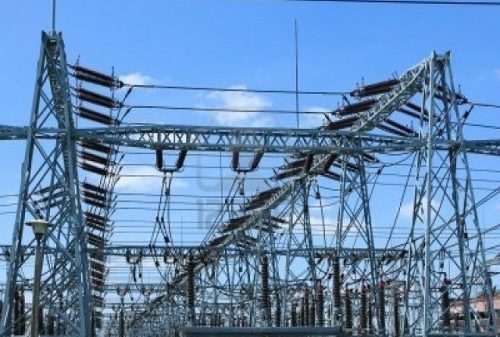
Nigeria loses about N40tn annually to poor electricity supply, the Nigerian Independent System Operator, an agency of the Federal Government, has said, warning that unreliable power remains one of the biggest constraints to economic growth, industrial productivity, and job creation in the country.

The system operator noted that persistent outages continue to impose high costs on businesses and households, many of which are forced to generate their own electricity.

According to the organisation, reliable electricity remains one of Nigeria’s most important economic priorities, stressing that power outages cost Nigeria up to $29bn annually.

Converted at the prevailing exchange rate of N1,385 to a dollar, this translates to roughly N40.1tn in yearly losses to the economy. The operator added that the burden extends across all sectors, stating that businesses, manufacturers, and households spend billions each year generating their own electricity.

“Reliable electricity is one of Nigeria’s most important economic priorities. Power outages cost Nigeria an estimated $29bn annually. Businesses, manufacturers, and households spend billions each year generating their own electricity,” the system operator said in its latest industry report.

It emphasised that a stable power supply would unlock economic opportunities, noting that “a stable national grid unlocks economic growth, industrial productivity, and job creation”.

Despite the huge demand, the organisation said Nigeria generates significantly more electricity than is ultimately delivered to consumers due to structural bottlenecks across the value chain.

It disclosed that Nigeria generates approximately 45,000 to 50,000 megawatts of electricity daily, but the grid only takes 5,000 megawatts, which is about 10 per cent of total generation. “Nigeria generates approximately 45-50 GW of electricity daily, far more electricity than the grid can deliver. Yet only about 5GW currently reaches the national grid,” it said.

The operator attributed the shortfall to multiple challenges, saying, “The gap reflects constraints across the value chain, including transmission capacity limitations, distribution network constraints, and gas supply disruption.”

To address these issues, the system operator outlined its responsibilities, noting that NISO’s mandate is to strengthen grid reliability and accountability. It added that its duties include enforcing the national grid code, strengthening system dispatch and reliability, improving sector transparency and accountability, and supporting coordination across the electricity value chain.

See also  Monopoly fears rise as Dangote controls N14.4tn petrol market

The organisation stressed the urgency of reforms, stating that a stable national grid is essential for Nigeria’s economic future. It also quoted its board chairman, Adesegun Akin-Olugbade, as saying, “Electricity is, after all, a 19th-century technology, and we do not need rocket scientists to fix these problems.”

Making recommendations, the operator said the way forward is to digitalise the grid, strengthen infrastructure, diversify the energy mix, and enforce grid code compliance.

On the feats recorded in the past year of NISO’s creation, the organisation pointed to ongoing improvements in transmission infrastructure, noting that 82 new power transformers were commissioned between 2024 and 2025. It added that 8,500+ MVA additional transformer capacity had been added, while over 30 transmission projects were completed.

According to the operator, the national grid wheeling capacity now stands at approximately 8,700MW. The organisation further disclosed that the grid had recorded operational milestones in recent years, including a 5,802MW all-time peak generation in March 2025, a 129,370MWh record daily energy delivery, and 421 consecutive days without grid collapse during 2022–2023.

“These milestones demonstrate the potential of the system when operating conditions align,” it said.

The agency also highlighted progress in grid digitalisation through the SCADA/EMS programme, stating that there had been a “$1.16bn investment in grid digitalisation,” with over 3,000 kilometres of fibre optic network deployed and more than 100 substations equipped with SCADA technology, adding that the project had reached approximately 69 per cent completion.

It emphasised that improved monitoring would strengthen operations, noting that real-time monitoring enables faster decision-making and improved grid stability. The operator reiterated that bridging the gap between generation and delivery remains critical, stressing that Nigeria generates far more electricity than consumers receive, while transmission, distribution, and gas supply challenges continue to limit the amount of power that reaches the grid.

As Nigerians continue to grapple with widespread power outages blamed on gas constraints since the beginning of the year, the Transmission Company of Nigeria blamed multiple factors for low allocation, including generation companies’ output and requests by the DisCos. TCN said electricity load allocation to distribution companies is determined mainly by their daily requests.

See also  UAE targets Nigeria for multi-billion-dollar investments

So far, power generation has fallen far below 4,000MW, limiting the capacity of DisCos to supply electricity to their customers. Our correspondent reports that data from TCN’s distribution load profile as of 25 March 2026 showed that a paltry 2,908 megawatts was allocated to the 11 distribution companies.

While Nigerians experience persistent outages, several distribution companies keep apologising to customers and attributing the situation to reduced generation caused by gas constraints. The Minister of Power, Adebayo Adelabu, also apologised on Tuesday, acknowledging the disruptions and assuring Nigerians that efforts were ongoing to stabilise supply in a few weeks.

The minister attributed current blackouts to gas supply constraints affecting 75 per cent of Nigeria’s gas-fired plants. “Even the best turbines cannot operate without raw materials. Global gas shortages due to the Middle East crisis, local supply obligations, outstanding payments to gas suppliers, and pipeline repairs have all contributed to the recent decline in generation,” he said.

According to him, only two out of 32 power plants currently have firm gas supply contracts, while the rest rely on irregular supplies on a best-effort basis.

Experts speak

A Professor of Energy, Dayo Ayoade of the University of Lagos, blamed corruption and poor governance for the country’s electricity woes. According to him, the economy will continue to lose money and will not develop “provided we don’t take control of the power sector”.

Ayoade said the economy will continue to suffer because self-generation is too costly for the common man and small businesses.

“Until the power sector is put right, the economy will continue to suffer, Nigerians will continue to suffer, and there is no way out of this. Self-generation doesn’t work because it’s inefficient. The kind of resources you need to generate power, like gas, are out of the hands of private individuals or companies. So, it is very important that the government takes the lead on this,” he stated.

See also  IEI converts N2bn deposit to equity

The professor said the way forward is for the government to undertake holistic reforms of the sector, calling for the removal of electricity subsidies.

“That reform requires us to tell one another the truth. Nigerians will have to pay more money for power. Tariffs must reflect the cost of delivering electricity. Also, creating new institutions like GAMCO and others all the time means there is a proliferation of institutions in the sector. We need to streamline the sector; we need to control corruption,” he said.

Ayoade added that governance is key to the power sector. “One of the reasons the sector is not working is poor governance. Billions of dollars were spent on power in the past with no appreciable electricity. We can’t continue down that way. There are too many loopholes and leakages. We have to address this,” he submitted.

The convener of PowerUp, Adetayo Adegbemle, reiterated that the sector is bleeding because bulk power users have exited the grid, making cost recovery a burden. He said operators may not be able to boost power generation in the face of low recovery.

“We have allowed the big consumers to escape the national grid, pushing the load of sustaining it onto residential consumers. The tariff becomes more expensive for them, while producers continue to seek alternatives, albeit more costly. The Federal Government should, as a matter of urgency, reverse this trend to boost power supply,” he said.

Adegbemle also noted that the electricity subsidy is no longer sustainable, saying the government ought to have found a way out of the burden. He emphasised that the subsidy affects the entire value chain, as the Federal Government has failed to fulfil its subsidy obligations.

punch.ng

FOLLOW US ON:

FACEBOOK

TWITTER

PINTEREST

TIKTOK

YOUTUBE

LINKEDIN

Continue Reading

Business

CBN blacklists top loan defaulters

Published

on

The Central Bank of Nigeria (CBN) has officially restricted banking services for “chronic defaulters” and large-ticket obligors with non-performing loans.

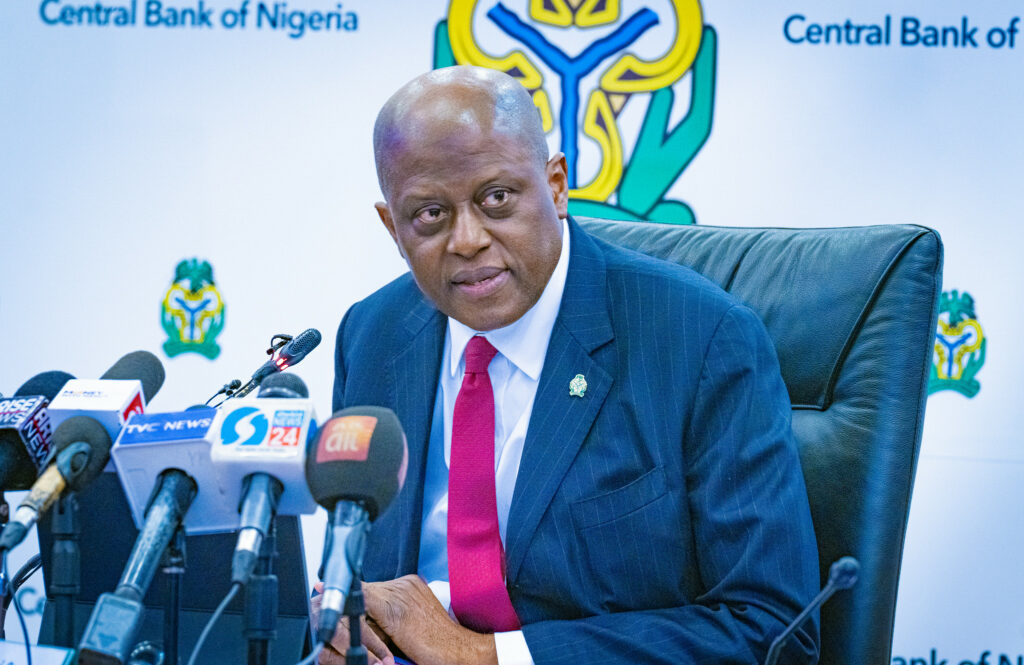
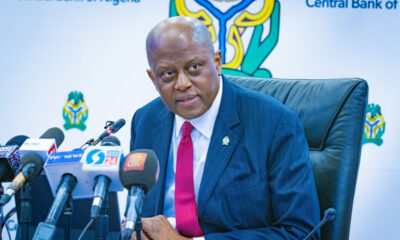
In a sweeping move to enforce credit discipline and safeguard the nation’s financial system, the apex bank issued a policy statement on Wednesday following remarks by CBN Governor Olayemi Cardoso at the 4th Annual IMF/AFRITAC West 2 High-Level Executive Forum in Abuja.

The Governor made it clear that the era of regulatory forbearance for delinquent borrowers is over.

He emphasised that the bank is shifting toward a more aggressive stance on corporate governance to ensure that the N4.61tn in new capital recently attracted by the banking sector is protected from systemic abuse.

“Our stance on corporate governance is unequivocal: zero tolerance for violations. By ending years of regulatory forbearance, we have reinforced accountability, tightened supervision, and elevated compliance standards across the sector,” the Governor stated.

The new directive specifically targets “large-ticket obligors”, individuals or entities with significant outstanding debts classified as non-performing in the Credit Risk Management System. Under the new rules, these defaulters will be barred from accessing not only fresh credit but also essential contingent liabilities and trade instruments.

“We have implemented a restriction of banking services to non-performing large-ticket obligors. This decisive step underscores our commitment to credit discipline, financial integrity, and accountability,” the statement read.

According to the CBN, the move is designed to instil a “culture of repayment” that has historically been lacking among high-profile borrowers. By cutting off access to instruments such as letters of credit and performance bonds, the regulator aims to prevent “credit jumping”, a practice where defaulters migrate between banks to accumulate more debt.

See also  IEI converts N2bn deposit to equity

“By curbing access to banking services for chronic defaulters, we are reinforcing the culture of repayment, protecting depositors, and safeguarding the stability of the financial system,” the apex bank added.

Beyond the crackdown on debtors, Cardoso reaffirmed that the CBN remains firmly committed to orthodox monetary policy. This approach prioritises price stability and the use of traditional tools to anchor inflation expectations, moving away from unconventional interventions to restore confidence in the naira.

“The CBN remains firmly anchored in orthodox monetary policy, focused on restoring price stability, strengthening policy credibility, and anchoring expectations through discipline and consistency,” the statement concluded.

For years, the Nigerian banking sector has struggled with “chronic defaulters”, wealthy individuals or massive corporations that borrow billions and fail to repay.

These are often referred to as “large-ticket obligors”. When these loans go bad, they threaten the liquidity of banks and the safety of ordinary citizens’ deposits.

Under the leadership of Cardoso, the CBN is pivoting toward “Orthodox Monetary Policy”. This means moving away from the era of massive development interventions and direct lending to sectors like agriculture and focusing instead on its core mandate: price stability and financial system regulation.

punch.ng

FOLLOW US ON:

FACEBOOK

TWITTER

PINTEREST

TIKTOK

YOUTUBE

LINKEDIN

Continue Reading

Trending