Connect with us

Business

Nigeria buys 61.7m barrels US crude oil amid bulk exports

Published

on

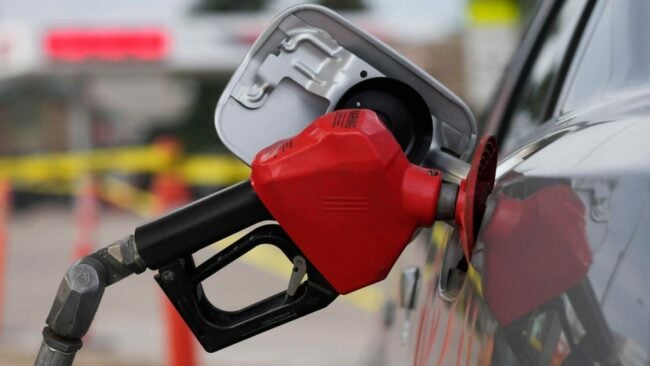
Nigeria imported about 61.7 million barrels of crude oil from the United States between January 2024 and January 2026, underscoring the country’s growing reliance on foreign feedstock to support domestic refining despite being a major oil producer.

This is despite the fact that Nigeria exported over 300 million barrels of crude in the first 10 months of 2025 and 55.39 million barrels in January and February 2026.

Data obtained from the US Energy Information Administration showed that crude exports from the United States to Nigeria surged during the period, marking a sharp reversal from nearly a decade of negligible crude trade flows between both countries.

Before 2024, American crude shipments to Nigeria were virtually non-existent. The only notable supply recorded within the period was in March 2016, when exports averaged just 19,000 barrels per day, translating to about 0.589 million barrels for the entire year.

However, the trade pattern changed significantly in 2024, coinciding with the commencement of operations at the Dangote refinery, which industry observers said has emerged as the primary buyer of US crude to supplement domestic supply constraints.

The EIA reports its data in thousands of barrels per day, meaning the daily figures must be multiplied by the number of days in each month to derive the total monthly volume.

For 2024, data available for January to June indicated that Nigeria imported a total of 15.701 million barrels from the United States within six months. In January, imports averaged 125,000 barrels per day, translating to 3.87 million barrels. February recorded 110,000 barrels per day or 3.19 million barrels, while March fell to 51,000 barrels per day, amounting to 1.58 million barrels.

See also  Tinubu’s executive order blocks N2tn NNPC fees

Imports rose again in April to 67,000 barrels per day, representing 2.01 million barrels, before dropping to 35,000 barrels per day in May, equivalent to 1.08 million barrels. June recorded the highest inflow for the year at 132,000 barrels per day, which translated to 3.96 million barrels.

The volume increased further in 2025, which accounted for the largest share of the two-year imports. Between February and December 2025, Nigeria imported 41.06 million barrels of US crude.

According to the EIA, the year started with 111,000 barrels per day in February and climbed steadily in the following months.

Imports peaked in June 2025 at 305,000 barrels per day, the highest monthly rate in the dataset, delivering about 9.15 million barrels within 30 days. Another strong inflow was recorded in August at 201,000 barrels per day, equivalent to 6.23 million barrels.

However, the supply slowed sharply towards the end of the year. Imports dropped to 12,000 barrels per day in November, translating to just 0.36 million barrels, before slightly rising to 23,000 barrels per day or 0.71 million barrels in December.

For 2026, data available for January showed that Nigeria imported 159,000 barrels per day, amounting to 4.93 million barrels.

A breakdown of the figures showed that the combined total for 2024, 2025 and January 2026 stood at 61.685 million barrels, which rounds up to 61.7 million barrels.

The development highlights a paradox in Nigeria’s oil sector, where the country exports large volumes of crude oil but still struggles to supply enough feedstock to domestic refineries.

See also  Petrol Landing Cost Drops To ₦840/Litre, But Pump Prices Remain High

For decades, Nigeria relied heavily on importing refined petroleum products such as petrol and diesel due to limited refining capacity. The commissioning of the Dangote refinery in 2024 shifted the pattern, with the country now importing crude oil for local processing instead of finished fuels.

Aliko Dangote once said the imports from the United States were largely driven by the need to bridge the gap between domestic crude supply and the refinery’s operational requirements.

The Dangote facility, one of the world’s largest single-train refineries, requires substantial daily feedstock to run at optimal capacity, needing over 19 million barrels monthly.

Sources told our correspondent that the Dangote refinery imports crude from Ghana and other African countries even as the country sells crude to other countries.

Data from the Central Bank of Nigeria showed that Nigeria exported an estimated 306.7 million barrels of crude oil between January and October 2025, despite concerns over feedstock shortages faced by domestic refineries.

The figures indicated that while the country produced about 443.5 million barrels during the 10-month period, averaging roughly 1.45 million barrels per day, a significant portion of the output was shipped overseas.

Cumulatively, exports between January and October represented about 69 per cent of total production, leaving roughly 137 million barrels for domestic use.

Similarly, Nigeria exported 55.39 million barrels of crude oil in the first two months of 2026 even as the Dangote refinery continues to struggle with inadequate domestic feedstock supply.

According to CBN data, the country shipped out 31.31 million barrels in January and 24.08 million barrels in February.

See also  Dangote-NNPC deal hits great turbulence, see details

In January, crude production averaged 1.46 million barrels per day with exports at 1.01 mbpd. In February, production fell to 1.31 mbpd while exports averaged 0.86 mbpd. Total crude production for the two months stood at 81.94 million barrels, meaning that 26.55 million barrels were left behind for local refineries in the first two months of 2026.

On several occasions, the Dangote refinery complained of low crude supply despite the naira-for-crude arrangement, forcing it to source feedstock from the United States and other countries, including Ghana.

Also, the Crude Oil Refiners Association of Nigeria lamented that some modular refineries under its umbrella shut down intermittently due to inadequate crude supply.


Continue Reading
Click to comment

Leave a Reply

Your email address will not be published. Required fields are marked *

Business

CBN, NCC to combat SIM-related fraud

Published

on

The Central Bank of Nigeria and the Nigerian Communications Commission on Monday signed a memorandum of understanding to tackle SIM-related fraud and strengthen consumer protection across Nigeria’s digital ecosystem.

The agreement, signed at the CBN headquarters in Abuja, aims to improve coordination between the financial and telecommunications sectors, focusing on combating electronic fraud linked to mobile numbers, enhancing payment system integrity, and protecting consumers.

Speaking at the event, the CBN Governor, Olayemi Cardoso, said the pact was a “practical statement of national interest”, noting that the increasing reliance on digital channels for payments and financial services required stronger collaboration between both regulators.

He said, “This MoU is not merely an administrative document; it is a practical statement of national interest,” adding that the agreement would reinforce the stability and integrity of Nigeria’s payment system while supporting innovation and consumer safety.

Cardoso explained that the deal would strengthen coordination on approvals, technical standards, and innovation trials, including sandbox testing, to ensure that financial services remain reliable and scalable.

He noted that the partnership would also improve the response to rising electronic fraud, stressing that “addressing these threats requires joined-up action, shared intelligence, clearer escalation paths, stronger operational readiness across regulated entities, and consistent public education”.

A key component of the agreement is the rollout of the Telecom Identity Risk Management Portal, a data-sharing platform designed to detect fraud linked to recycled, swapped, or blacklisted phone numbers.

According to Cardoso, the platform would enable real-time verification of mobile number status across banks and fintech firms, providing an additional layer of protection for consumers and the financial system.

See also  Dangote CNG trucks - Tanker drivers to stop fuel loading Monday

He said strict compliance with data protection laws, including encryption and consent protocols, would guide the use of the platform.

Also speaking, the Executive Vice Chairman of the NCC, Aminu Maida, described the agreement as a major step in strengthening Nigeria’s digital economy.

He said, “The signing of this Memorandum of Understanding marks an important milestone in the regulatory stewardship of Nigeria’s digital economy,” adding that collaboration between both institutions was “not optional; it is imperative.”

Maida noted that the initiative would give financial institutions better visibility into the status of phone numbers used in transactions, including whether a line had been swapped, recycled, or flagged for fraudulent activity.

“This ensures that our financial services industry is better equipped with timely and relevant information to effectively combat e-fraud, particularly those perpetrated using phone numbers,” he said.

He added that the agreement would also improve consumer protection, assuring Nigerians that issues such as failed airtime recharges would be resolved more quickly under the new framework.

Earlier, the Director of Payment System Supervision at the CBN, Dr Rakiya Yusuf, said the partnership between both regulators had evolved over the years from separate oversight roles into a more integrated collaboration focused on securing Nigeria’s digital and financial systems.

She traced the relationship back to earlier efforts to align mobile payment regulations and telecom licensing frameworks, including the 2018 MoU that enabled telecom operators to participate in mobile money services through special purpose vehicles.

She also highlighted joint interventions such as the resolution of the USSD pricing dispute and the introduction of a N6.98 per session fee, as well as recent efforts to address failed transactions through a proposed 30-second refund framework.

See also  Tinubu’s executive order blocks N2tn NNPC fees

Under the new agreement, two joint committees will be established to drive implementation. These include the Joint Committee on Payment Systems and Consumer Protection and the Joint Committee on the telecom risk management platform.

The agreement is expected to deepen digital financial inclusion, reduce fraud risks, and strengthen trust in Nigeria’s rapidly expanding digital economy.

The PUNCH earlier reported that the CBN and the NCC unveiled a joint framework to tackle the growing problem of failed airtime and data transactions, which have left consumers frustrated after payments are processed but service delivery is not provided.

The 20-page draft, published on the CBN’s website, was developed by the CBN’s Consumer Protection & Financial Inclusion Department and the telecom regulator, with input from banks, mobile operators, payment providers, and other stakeholders.

The regulators seek to clarify accountability, standardise complaint-resolution timelines, and create a coordinated system for addressing grievances across the financial and telecommunications sectors.

punch.ng

FOLLOW US ON:

FACEBOOK

TWITTER

PINTEREST

TIKTOK

YOUTUBE

LINKEDIN

INSTAGRAM

Continue Reading

Business

Electricity reforms: Rivers, Kano, 19 others delay takeover

Published

on

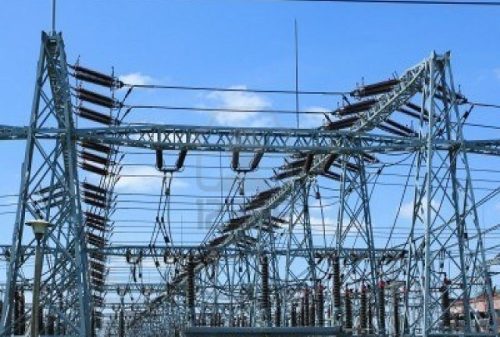
Twenty-one states, including Rivers and Kano, are yet to assume regulatory control of their electricity markets nearly three years after the enactment of the Electricity Act 2023, even as 15 states have already transitioned to independent market oversight.

The Nigerian Electricity Regulatory Commission disclosed that the states that have completed the transition have established their own electricity regulatory frameworks and are now responsible for market development, investment attraction, tariff oversight, and customer protection within their jurisdictions.

According to the commission, the shift follows the decentralisation provisions of the Electricity Act 2023, which empower subnational governments to regulate electricity generation, transmission and distribution within their territories after completing the necessary legal and administrative processes.

NERC noted that 15 states have so far completed the transition to state-level regulation. These include Enugu, Ekiti, Ondo, Imo, Oyo, Edo, Kogi, Lagos, Ogun, Niger, Plateau, Abia, Nasarawa, Anambra and Bayelsa.

However, the remaining 21 states yet to assume regulatory control are Adamawa, Akwa Ibom, Bauchi, Benue, Borno, Cross River, Delta, Ebonyi, Gombe, Jigawa, Kaduna, Kano, Katsina, Kebbi, Kwara, Osun, Rivers, Sokoto, Taraba, Yobe and Zamfara.

Industry analysts said the slow pace of transition in some states could delay the expected benefits of decentralisation, including improved power supply, localised tariff structures, and accelerated investments in embedded generation and mini-grid projects.

Under the new framework, once a state completes its transition, the state electricity regulator takes over licensing of intrastate electricity operations, enforcement of technical standards, tariff setting for local distribution, and protection of electricity consumers within the state.

See also  Dangote-NNPC deal hits great turbulence, see details

NERC, in turn, retains oversight only on interstate and national grid-related activities.

The commission emphasised that state regulators are expected to drive local electricity market growth by encouraging private sector participation, promoting renewable energy deployment, and ensuring service quality standards for distribution companies operating within their jurisdictions.

The timeline released by the commission shows that the earliest transitions occurred in October 2024, when Enugu and Ekiti states assumed regulatory authority, followed by Ondo shortly after. The pace accelerated in 2025, with several states, including Oyo, Edo, Lagos and Ogun, completing their transitions. The most recent additions include Nasarawa, Anambra and Bayelsa between January and February 2026.

It was observed, however, that some of the 15 states have not set up their regulatory commissions.

Power sector stakeholders argue that states yet to transition risk missing opportunities to attract investments in off-grid electrification projects, particularly in underserved rural communities.

They also note that state-level regulation could help address longstanding distribution challenges by enabling more flexible tariff structures, targeted subsidies, and enforcement mechanisms tailored to local conditions.

With less than half of the states having completed the transition, many argued that the effectiveness of the Electricity Act reforms will largely depend on how quickly the remaining states establish their regulatory institutions and operational frameworks.

Apparently overwhelmed by the country’s power woes, the Federal Government recently pushed the challenge to the 36 states, asking them to take over power generation, transmission, and distribution.

The Federal Government said this was the only solution to the power crisis in the country.

See also  Tax reforms: Why businesses must prioritise payroll, VAT

The Minister of Power, Adebayo Adelabu, said at an energy summit in Lagos that the Electricity Act’s impact includes decentralisation and liberalisation.

“In a country as big as Nigeria, with almost a million square kilometres of landmass, over 200 million people, millions of businesses, thousands of institutions (health and educational institutions), 36 states plus the Federal Capital Territory, and 774 local governments—centralisation cannot work for us. The responsibility of providing stable electricity can never be left in the hands of the Federal Government.

“At the centre, you cannot, from Abuja, guarantee stable power across the country. So, this is one thing that the Act has achieved—decentralisation. That has now allowed all the states or the subnationals to play in all segments of the power sector value chain—generation, transmission, distribution, and even service industries supporting the power sector,” he stated.

He called on the remaining 21 states to set up their electricity market.

“I believe other states will follow suit in operationalising the autonomy granted, with full collaboration of the national regulator. We are working actively with these states to ensure strong alignment between the wholesale market and the retail market.

“In this regard, we believe the active involvement of the state governments, particularly in the off-grid segment, is critical, given the series of roundtable engagements held with governors by the Rural Electrification Agency, as well as ongoing efforts to closely track the distribution companies’ performances within their respective jurisdictions,” Adelabu emphasised.

punch.ng

FOLLOW US ON:

FACEBOOK

TWITTER

PINTEREST

TIKTOK

YOUTUBE

LINKEDIN

INSTAGRAM

Continue Reading

Business

World Bank flags ‘hidden spending system’ diverting over N34.53tn of Nigeria’s revenue

Published

on

The World Bank has raised concerns over Nigeria’s fiscal framework, revealing that more than N34.53 trillion was diverted from federation revenue over the past three years through pre-distribution deductions.

In its latest Nigeria Development Update obtained from its website, the global lender disclosed that although total federation revenue rose sharply to about N84 trillion between 2023 and 2025, about 41 per cent of the earnings did not reach the Federation Account for distribution to the federal, state and local governments.

According to the report, gross revenue increased from N17.08 trillion in 2023 to an estimated N37.44 trillion in 2025. However, deductions classified as “first-line charges” also rose significantly, from N6.22 trillion to nearly N15 trillion within the same period, reducing the pool of funds available for distribution.

The World Bank noted that the development has created a paradox in which rising revenues have not translated into improved public spending capacity, as a substantial portion is automatically retained by certain agencies before allocation.

It explained that reforms such as the removal of petrol subsidy and foreign exchange adjustments boosted nominal revenues, but much of the gains were offset by the structure of deductions tied to cost of collection and statutory transfers.

Agencies such as the Nigeria Customs Service, Nigerian National Petroleum Company Limited, and the Federal Inland Revenue Service account for a significant portion of these deductions. The report stated that their funding is based on fixed percentages of gross revenue, leading to higher allocations as revenues increase.

See also  Tax reforms: Why businesses must prioritise payroll, VAT

Describing the model as “pro-cyclical”, the Bretton Woods institution said it operates outside the conventional budgetary framework and weakens legislative oversight. In some cases, allocations to individual agencies exceed the revenues of several states and even the budgets of key federal ministries.

The report also highlighted the impact on public finances, noting a decline in capital expenditure from N5.5 trillion in 2024 to N4.5 trillion in 2025, with only about 25 per cent of the approved capital budget implemented. Meanwhile, the federal fiscal deficit remained elevated at N16.9 trillion, driven by debt servicing and recurrent expenditure.

The World Bank warned that the current arrangement undermines fiscal transparency and accountability, as significant portions of public revenue are spent outside the standard appropriation process.

Providing expert insight, an economist at Covenant University, Yemisi Ayinde, said the issue reflects deeper structural weaknesses in Nigeria’s public finance system.

He explained that the diversion of about 41 per cent of federation earnings through pre-distribution deductions points to “a broader framework of fiscal fragmentation, bureaucratic self-allocation and weak legislative appropriation control”, resulting in what he described as a parallel fiscal system.

According to him, statutory revenue retention mechanisms, initially designed as cost-recovery tools, have evolved into entrenched structures that distort resource allocation and weaken the link between macroeconomic reforms and real sector outcomes.

Ayinde added that the trend has created a macro-fiscal paradox of rising revenues alongside shrinking discretionary fiscal space, leading to constrained capital formation, weaker fiscal multipliers and increased dominance of debt servicing over development expenditure.

He further noted that the arrangement raises concerns about transparency, accountability and legal compliance, warning that it could erode parliamentary control over public finances and weaken the social contract.

See also  Dangote-NNPC deal hits great turbulence, see details

Also commenting, President of the Capital Markets Academics Association of Nigeria, Uche Uwaleke, described the World Bank’s findings as valid and consistent with concerns previously raised by local experts.

“The Federation Account has continued to experience leakages despite reforms,” he said, noting that measures such as Executive Order 009 were steps in the right direction but insufficient.

Uwaleke called for stronger efforts to reduce the high cost of revenue collection, which he said is inconsistent with global best practices, adding that broader reforms are needed to plug persistent leakages.

Similarly, Chief Executive Officer of the Centre for the Promotion of Private Enterprise, Muda Yusuf, stressed the need for improved transparency and accountability across all tiers of government to ensure that increased revenues translate into better living conditions for citizens.

The report, titled “Nigeria’s Tomorrow Must Start Today: The Case for Early Childhood Development”, also highlighted longstanding weaknesses in Nigeria’s budget process, including the absence of a comprehensive organic budget law.

It noted that delays in budget approval—such as the late passage of the 2025 budget and the delay in approving the 2026 budget as of March 25, 2026—have reduced predictability for programme implementation.

According to the World Bank, weak coordination between the executive and legislative arms has led to frequent and often untracked changes to budget proposals, undermining macro-fiscal planning.

“These weaknesses have contributed to unrealistic revenue and capital expenditure projections that are consistently missed,” the report stated, adding that the extension of budget cycles has resulted in overlapping implementation and weakened financial reporting.

See also  Petrol Landing Cost Drops To ₦840/Litre, But Pump Prices Remain High

To address the challenges, the World Bank recommended a comprehensive overhaul of the revenue management framework, including channeling agency funding through the annual budget process and subjecting it to legislative approval.

It also called for a reduction in cost-of-collection charges and the elimination of fixed-percentage allocations, noting that such reforms would boost net revenues available for development.

The institution cautioned that failure to implement these measures could further constrain Nigeria’s fiscal space and undermine recent economic reforms.

tribuneonline.ng

FOLLOW US ON:

FACEBOOK

TWITTER

PINTEREST

TIKTOK

YOUTUBE

LINKEDIN

INSTAGRAM

Continue Reading

Trending