Connect with us

News

Governors demand greater powers for state police

Published

on

State governors are seeking greater constitutional authority over security operations within their domains and guaranteed funding arrangements for the proposed State Police Services, according to a report of a high-level strategic meeting involving state Attorneys-General, legal experts and senior security officials convened by the Nigeria Governors’ Forum Secretariat in Abuja last week.

The report, contained in the NGF bulletin obtained by The PUNCH, provides one of the clearest frameworks yet for the establishment of state police in Nigeria, detailing proposals on operational powers, funding mechanisms, personnel management, oversight structures, and the relationship between federal and state policing institutions.

According to the report, the meeting was convened to harmonise proposals for a constitutional and institutional framework for the establishment of State Police Services across the country.

The report described the deliberations as “a significant milestone in ongoing efforts to strengthen the country’s security architecture through a decentralised policing system that balances local security needs with constitutional safeguards and national cohesion.”

The latest push comes amid growing concerns over worsening insecurity across several parts of the country, including terrorism, banditry, kidnapping, communal conflicts and violent crimes, which have continued to test the capacity of Nigeria’s centrally controlled policing structure.

A major outcome of the meeting was the proposal for greater constitutional recognition of governors’ roles in coordinating security operations within their states.

According to the report, participants reviewed legislative provisions currently under consideration, particularly those relating to governors’ authority in security matters.

“The meeting also reviewed provisions currently under legislative consideration, particularly clauses relating to the authority of governors in directing security operations within their states,” the report stated.

It added that delegates stressed “the importance of recognising the constitutional role of governors in coordinating security matters within their states while establishing safeguards for professionalism, accountability and operational independence.”

The proposal is expected to reignite debate over the powers of governors in security administration, an issue that has remained contentious since Nigeria returned to democratic rule in 1999.

Although governors are commonly referred to as the chief security officers of their states, they currently exercise limited direct control over police operations because the Nigeria Police Force remains under federal command.

The governors’ latest recommendations come at a crucial moment in the state police debate, following significant progress recorded by the National Assembly on constitutional amendments aimed at decentralising policing.

Earlier this month, the House of Representatives approved constitutional amendment proposals seeking to establish state police as part of broader efforts to reform Nigeria’s security architecture and address persistent security challenges across the country.

See also  Tinubu appoints NECO, NBTE chairmen, names poly rector, renews library DG tenure

The amendment seeks to alter relevant provisions of the 1999 Constitution to create a dual policing structure comprising Federal Police Services and State Police Services, with states empowered to establish their own police formations through legislation passed by their respective Houses of Assembly.

The proposal is widely regarded as one of the most significant security reforms since Nigeria’s return to democratic rule in 1999, and represents the furthest the country has moved toward constitutional recognition of state police after years of failed attempts.

The agitation for state police dates back decades but gained momentum during successive waves of insecurity, including militancy in the Niger Delta, Boko Haram insurgency in the North-East, banditry in the North-West, farmer-herder clashes in the North-Central, and rising incidents of kidnapping across the country.

The issue featured prominently at the 2014 National Conference, where delegates recommended the establishment of state police as part of broader constitutional restructuring measures.

Over the years, governors, constitutional lawyers, retired security chiefs, traditional rulers and civil society groups have argued that Nigeria’s federal structure is incompatible with a policing system controlled exclusively from Abuja.

The push intensified further following the emergence of regional security outfits such as Amotekun in the South-West, Ebube Agu in parts of the South-East, and various community-based security arrangements in northern states.

Supporters have argued that these initiatives demonstrate the growing demand for local security structures capable of complementing federal law enforcement agencies and responding more rapidly to threats within communities.

Opponents, however, have consistently warned that state police could be vulnerable to political manipulation and abuse by state governments, particularly during elections and periods of political tension.

Many of those concerns appear to have informed the recommendations emerging from the NGF meeting, which place considerable emphasis on accountability, oversight, and operational independence.

The report also outlined a proposed policing model based on cooperative federalism.

According to the document, discussions centred on “developing a policing structure rooted in cooperative federalism, where federal and state police institutions operate within clearly defined constitutional and statutory jurisdictions.”

Under the proposed arrangement, the Federal Police Service would retain responsibility for crimes considered national in scope.

The report stated, “Under the proposed framework, the Federal Police Service would retain exclusive responsibility for offences of national significance, including terrorism, treason, narcotics-related crimes and interstate criminal activities.”

See also  See how a Nigerian man hacked US varsity, stole $235,000

State Police Services, however, would be empowered to tackle offences falling within their constitutional jurisdictions.

The report added, “State Police Services would be empowered to prevent, investigate and support the prosecution of offences within their constitutionally assigned jurisdiction, particularly offences created under state laws.”

The proposal effectively seeks to establish a constitutional division of responsibilities between federal and state policing institutions, leaving matters such as terrorism, treason and interstate crimes within federal jurisdiction while assigning local law enforcement functions to state police formations.

The report further revealed that stakeholders considered the future of existing police infrastructure under the proposed reforms.

According to the document, “The framework considers mechanisms for the transfer or restructuring of certain existing policing assets, commands and facilities to support State Police.”

The proposal suggests that existing federal policing structures may be reconfigured to support the establishment and smooth operation of state-controlled police services.

Participants also devoted considerable attention to governance and accountability mechanisms designed to prevent abuse of the proposed policing system.

The report noted that “participants extensively debated governance and oversight mechanisms required to ensure accountability within the proposed policing structure.”

Among the proposals considered was the inclusion of a rotating representative of State Attorneys-General on the National Police Council.

The recommendation is expected to strengthen state participation in national policing oversight and policy formulation while ensuring broader representation in decisions affecting law enforcement.

Funding emerged as one of the most significant issues discussed during the meeting.

Participants argued that state police would require guaranteed and predictable funding arrangements to function effectively and independently.

According to the report, stakeholders emphasised “the need for clear constitutional provisions guaranteeing sustainable financial support for state policing structures.”

The report further stated that stakeholders emphasised “the need for predictable and sustainable funding mechanisms to prevent security financing from becoming discretionary and highlighted the importance of adequate resources for personnel training, equipment and operational effectiveness.”

The participants warned that without guaranteed funding mechanisms, state police services could face operational difficulties capable of undermining their effectiveness.

To address those concerns, the meeting considered multiple financing options.

According to the report, stakeholders explored “complementary funding arrangements, including transitional federal support and the establishment of State Security Trust Funds to encourage partnerships with the private sector and other stakeholders.”

See also  Denmark to ban social media for under-15s

The proposal mirrors existing security trust fund models adopted by some states to support law enforcement agencies and other security operations.

Another major recommendation relates to personnel management and transition arrangements.

The report recommends that serving members of the Nigeria Police Force should be allowed to voluntarily transfer to State Police Services once they are established.

According to the document, “The proposed framework includes provisions allowing eligible federal police personnel to voluntarily transition into State Police Services, subject to agreed legal, administrative and welfare arrangements, without losing their rank, seniority or pension benefits.”

The provision is expected to address concerns over the future of personnel who may wish to join state police formations after their establishment.

Participants, however, recommended safeguards to ensure orderly implementation.

The report stated that delegates recommended, “that such transfer arrangements be time-bound to provide certainty for workforce planning and institutional development.”

The framework also seeks to accommodate states that may not immediately establish their own police services.

According to the report, “The framework further provides flexibility for states that may require additional time to establish their own police services, allowing the Federal Government to continue administering policing functions through existing structures pending readiness.”

The proposal is seen as an attempt to address concerns about disparities in financial and institutional capacities among states and to ensure that no state is left without policing coverage during the transition period.

The latest recommendations from the governors, Attorneys-General and security experts are expected to feed into ongoing constitutional amendment efforts and could ultimately shape the final architecture of state policing in Nigeria.

If adopted through constitutional amendments and enabling legislation, the proposals would represent one of the most far-reaching security reforms in Nigeria’s history, fundamentally altering the country’s policing structure by creating federal and state police institutions operating side by side under clearly defined constitutional mandates.

On June 10, the House of Representatives passed a bill to amend the 1999 Constitution (as amended) to allow for the establishment of state police.

The Senate followed suit on June 11, passing the bill for second reading and referring it to its Committee on Constitution Review for further legislative consideration.

punch.ng

FOLLOW US ON:

FACEBOOK

TWITTER

PINTEREST

TIKTOK

YOUTUBE

LINKEDIN

News

PHOTOS & VIDEO: No Ransom Or Negotiations – Gov Ododo Speaks After Dramatic Rescue of NECO Candidates in Kogi

Published

on

Kogi State Governor Ahmed Usman Ododo has once again made it clear that his administration will never negotiate with kidnappers or pay ransom, following the successful rescue of four people abducted from a suspected NECO examination centre in Dekina Local Government Area.

The governor made the declaration on Friday while receiving the rescued victims at the Government House in Lokoja. He praised the security agencies for their swift and coordinated operation, which led to the safe rescue of all four victims.

“I have said it before, and I want to repeat it: this administration will never negotiate with criminals or pay ransom. They may find their way into Kogi State, but they will not return the same way they came,” Ododo stated.

He also applauded President Bola Ahmed Tinubu for providing the support and resources needed by security agencies in the fight against insecurity.

“I want to thank Mr. President and Commander-in-Chief, Senator Bola Ahmed Tinubu, for standing firmly behind our security agencies. We are committed to ensuring Kogi remains safe and we will not let him down,” the governor added.

Beyond the rescue operation, Governor Ododo directed authorities to launch a full investigation into why the NECO examination was conducted at an abandoned government secondary school that had previously been closed due to security concerns. He said the government wants to determine how the facility was approved and used as an examination centre.

Kogi State Commissioner of Police, Naziru Bello Kankarofi, revealed that the rescued victims included the school principal, a NECO official, and two female examination candidates. According to him, sustained pressure from joint security operatives forced the kidnappers to abandon the victims, leading to their successful rescue.

See also  Six legal hurdles before INEC ahead of 2027 elections

The police further disclosed that the abandoned school was allegedly operating as an unauthorized special examination centre for 10 candidates. Preliminary investigations suggest the centre may have been used to facilitate examination malpractice.

Authorities say investigations are still ongoing, while security agencies continue efforts to arrest everyone connected to both the abduction and the alleged illegal examination centre.

FOLLOW US ON:

FACEBOOK

TWITTER

PINTEREST

TIKTOK

YOUTUBE

LINKEDIN

INSTAGRAM

Continue Reading

News

Trump threatens to increase Canada tariffs over wildfire smoke pollution

Published

on

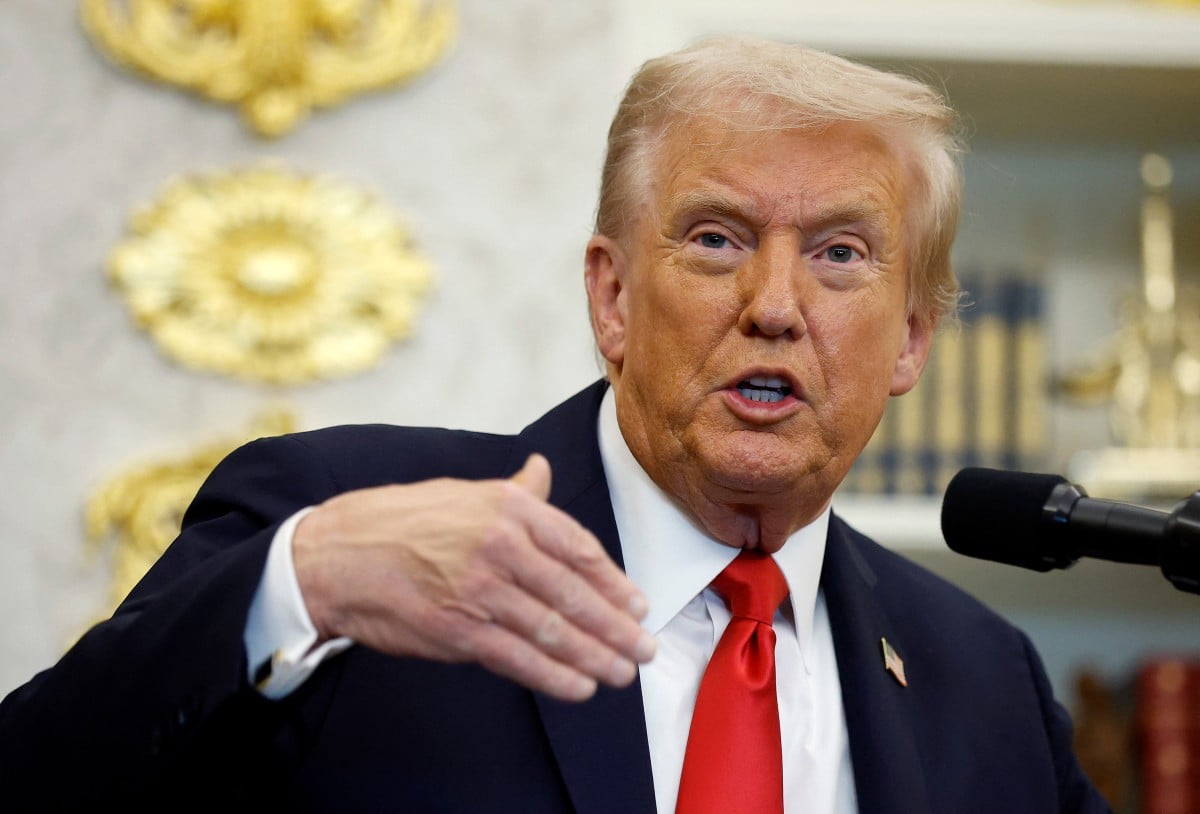
US President Donald Trump threatened on Friday a tariff increase on Canada to cover the cost of smoke pollution from wildfires that have choked large parts of the United States.

Dense wildfire smoke billowing down from Canada and northern Minnesota has set off unhealthy air quality alerts across the US.

As of Saturday, there were 937 active fires in Canada, most of which were burning out of control, according to the Canadian Wildland Fire Information System.

“This is Willful Negligence, and becoming a yearly occurrence, costing the United States Billions of Dollars,” Trump said on Truth Social, adding that the “cost of this pollution must of necessity be added to the TARIFFS Canada is currently paying.”

Trump accused Canada of “not properly maintaining” their forests, failing to carry out “basic Forest Management and Debris Removal.”

He said he would call Prime Minister Mark Carney “to find out what they are going to do about” the smoke.

Canada’s emergency management minister Eleanor Olszewski said Canada and the United States were in “constant contact,” pointing toward their “long history of working together to fight wildfires.”

She added that Canada has invested $12 billion in forests sustainability and fire prevention since 2020.

Detroit, in the US Midwest, remained the most polluted city in the world on Friday, according to tracker IQAir. Washington and Chicago weren’t far behind, and officials warned against spending unnecessary time outside.

The pollution triggered concern over the World Cup final on Sunday in an open stadium in New Jersey.

See also  Tinubu appoints NECO, NBTE chairmen, names poly rector, renews library DG tenure

In New Jersey and New York, the metro area was experiencing air that could be unhealthy for sensitive groups, an improvement after smog on Thursday made the Manhattan skyline barely visible.

But the National Weather Service (NWS) warned the smoke may thicken overnight into Saturday morning.

Tournament organizers are “monitoring closely,” White House World Cup task force executive director Andrew Giuliani told a briefing.

Peter Mullinax, a meteorologist for NWS, told AFP that winds over the Great Lakes could push more smoke into the Northeast, which could keep skies hazy.

He said forecasts for that region do expect some improvement.

“I don’t believe that this should be as impactful as if you might be playing a game today,” Mullinax said.

The issue for Sunday’s game, said Joel Dreessen, an air quality forecaster for the state of Maryland, is whether more smoke spills south after weekend storm systems.

“Some of the models are starting to indicate that we’ll start to pull down some smoke,” he told AFP.

– Traveling toxicity –

In cities across the Midwest and Northeast, people wore masks outdoors to filter out the dangerous air. In New York, libraries and train stations were handing them out for free.

Chris Carlsten, who studies the health impacts of fire smoke at the University of British Columbia, told AFP that the fine pollution particles from wildfires are particularly impactful on the lungs, whereas vehicle pollution skews slightly towards heart impacts.

He said plumes can be filled with wood and vegetation debris but also paint, plastic or metal.

See also  Rivers chief judge refuses setting up panel to probe Fubara

And as smoke plumes travel, they undergo “photochemical aging,” a series of reactions that Carlsten said “seem to make, from everything we understand in the chemistry, the aerosol more toxic.”

The upper Midwest that is closer to the fires has faced especially bad air, with parts of Michigan, Minnesota and Wisconsin all recording air quality readings deep into the “hazardous” range for days.

– Climate change link –

Advocates have stressed the connection between repeated episodes of wildfire smoke and climate change.

Mark Parrington, a scientist at the Copernicus Atmosphere Monitoring Service, told AFP that climate change was providing conditions for a longer fire season, with higher surface air temperatures and lower soil moisture.

So, he explained, “when there’s an ignition we see these really large-scale, persistent burning where these fires can burn for weeks and weeks at a time through summer.”

The blazes were worsening on Friday in Canada, especially in Ontario, according to authorities there.

Fires in Ontario have not caused any casualties, and several remote communities have been evacuated, as dozens of aircraft battle the blazes.

Meanwhile 16 active fires were burning in the Superior National Forest, on Minnesota’s border with Canada.

“The forecast for erratic weather, shifting winds and the potential for isolated damaging wind gusts and thunderstorms will be a challenge for firefighting efforts,” the US forest service said.

AFP

punch.ng

FOLLOW US ON:

FACEBOOK

TWITTER

PINTEREST

TIKTOK

YOUTUBE

LINKEDIN

Continue Reading

News

FG targets eradication of sheep, goat disease by 2030

Published

on

The Federal Government has reaffirmed its commitment to eradicating Peste des Petits Ruminants, a highly contagious viral disease affecting sheep and goats, by 2030, saying intensified surveillance, vaccination and cross-border collaboration remain central to achieving the target.

The assurance was given by the Permanent Secretary of the Federal Ministry of Livestock Development, Chinyere Akujobi, at the opening of a two-day Stakeholders’ Workshop on the Review and Update of Nigeria’s National Strategic Plan for the Control and Eradication of Peste des Petits Ruminants in Abuja.

The Deputy Director of Information and Public Relations at the ministry, Henrietta Okokon, disclosed this in a statement on Friday.

Akujobi described the eradication of PPR as both an animal health priority and a national development goal, noting that eliminating the disease would reduce poverty, improve rural livelihoods, increase livestock productivity and expand trade opportunities.

According to her, “Nigeria has remained fully committed to the global goal, under the leadership of the Food and Agriculture Organisation and the World Organisation for Animal Health, to eradicate PPR by 2030.

“We have implemented a range of interventions, including disease surveillance, laboratory strengthening, outbreak investigations, targeted vaccination campaigns, stakeholder engagement, and capacity-building programmes aimed at reducing the burden of PPR while improving disease reporting and response systems.”

She said small ruminants serve as the primary economic safety net for millions of households, making their protection critical to the Federal Government’s agricultural transformation agenda.

Akujobi noted that PPR remains one of the most economically devastating transboundary diseases affecting sheep and goats across Africa, Asia and parts of the Middle East.

See also  Morayo Afolabi-Brown admits ignorance in past criticism of Peter Obi

“This disease continues to threaten livelihoods, reduce household incomes and constrain the growth of the livestock sector. Given that Nigeria has Africa’s largest population of small ruminants, estimated at over 200 million sheep and goats, and shares major transboundary trade corridors with Niger, Benin, Cameroon and Chad, strengthening our control measures is imperative,” she said.

She explained that the workshop was convened to develop an evidence-based National Strategic Plan for 2026–2030 that would integrate veterinary services with cross-border trade standards and risk mitigation policies.

Akujobi also commended development partners, regional technical organisations and national experts for supporting efforts to eliminate the disease, adding that the ministry would prioritise a fully costed implementation plan backed by a sustainable resource mobilisation strategy.

The statement also quoted the Chief Veterinary Officer of Nigeria, Samuel Anzaku, as saying the country had made significant progress in animal disease control but needed to update its National Strategic Plan to align with the Global PPR Eradication Programme, the Performance Monitoring and Assessment Tool roadmap benchmarks and ECOWAS regional coordination mechanisms.

According to him, the revised strategy should incorporate recent epidemiological and laboratory data, refine disease hotspot mapping, adopt risk-based vaccination strategies and strengthen laboratory-epidemiology linkages.

“This structural update is vital to advancing Nigeria into PMAT Stage 2 and beyond, ensuring that every public and private investment delivers measurable scientific progress towards achieving a PPR-free nation,” he said.

Also speaking, the representative of the African Union Inter-African Bureau for Animal Resources, Dr Perdita Hilary Lopes, described the eradication of PPR as a strategic investment in resilient livestock systems, poverty reduction, women’s economic empowerment, youth employment, sustainable rural development and improved food systems across Africa.

See also  Alleged terrorism: AGF takes over Malami, son’s trial - see why

She added that achieving a PPR-free Africa by 2040 would contribute significantly to the aspirations of Agenda 2063, the Comprehensive Africa Agriculture Development Programme and the Sustainable Development Goals.

The renewed push follows earlier efforts by the Federal Ministry of Livestock Development to strengthen Nigeria’s campaign against PPR. In January, the ministry inaugurated a 33-member National Technical Working Group on the control and eradication of the disease to coordinate national response efforts.

At the time, the Minister of Livestock Development, Idi Maiha, described PPR as one of the most devastating transboundary animal diseases affecting sheep and goats, warning that it threatens the livelihoods of pastoralists and smallholder farmers, undermines food security and limits livestock trade.

Nigeria’s eradication drive aligns with the global campaign led by the Food and Agriculture Organisation and the World Organisation for Animal Health to eliminate PPR by 2030. As part of the regional effort, Abuja hosted a West African surveillance workshop in December 2025, where veterinary authorities and technical experts reviewed risk-based surveillance and cross-border coordination strategies aimed at accelerating progress towards the eradication target.

punch.ng

FOLLOW US ON:
FACEBOOK

TWITTER

PINTEREST

TIKTOK

YOUTUBE

LINKEDIN

Continue Reading

Trending