
Connect with us

Business

Nigerian businesses to lose billions of naira as 25-day blackout hits Lagos, Ogun

Published

on

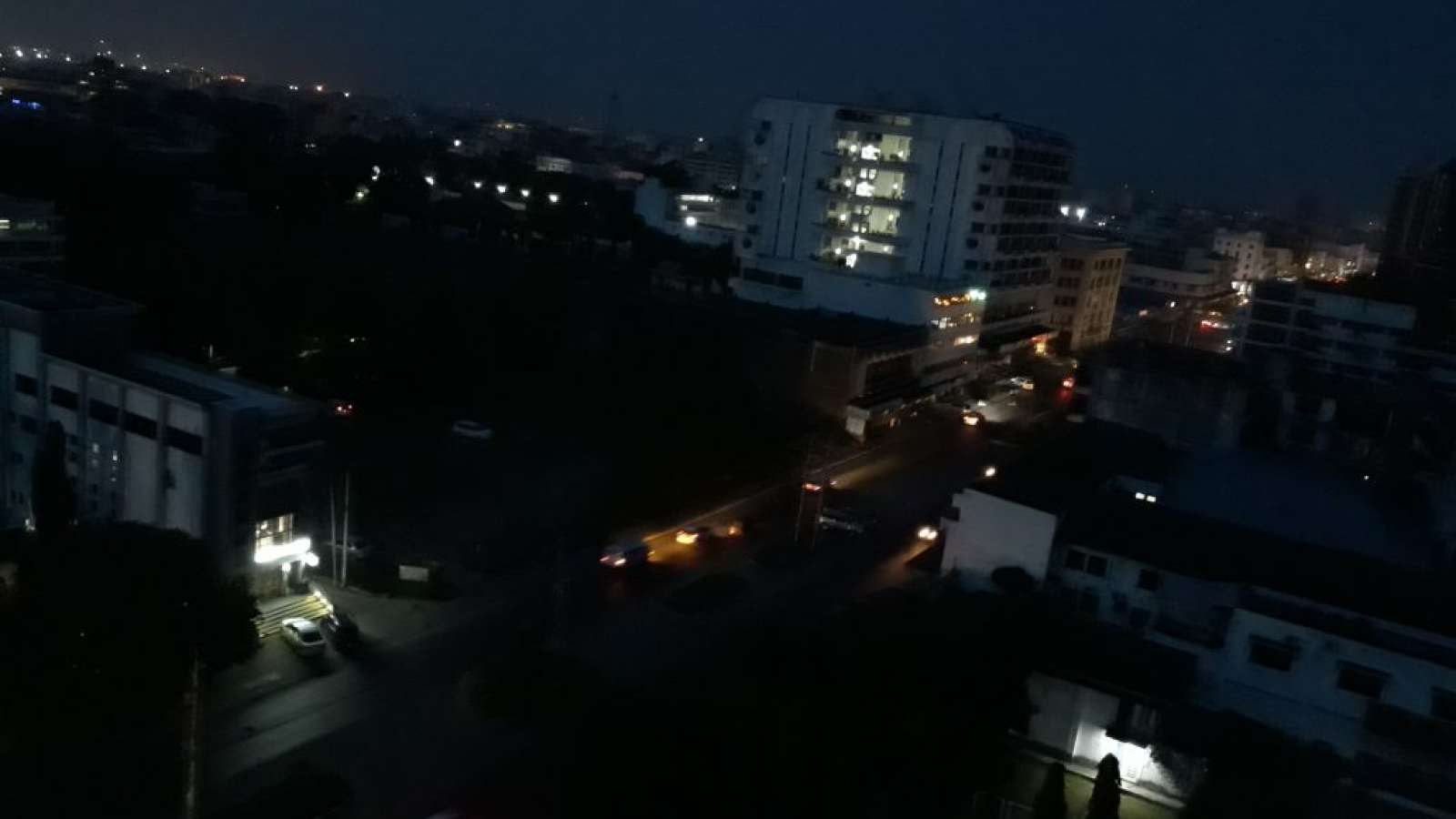
Business owners, banks, and manufacturers are set to lose hundreds of billions of Naira as a 25-day blackout begins in Nigeria’s commercial nerve centre, Lagos State.

This comes as Ikeja Electric and Eko Electricity Distribution, on Friday last week, in separate statements, announced that Lagos and part of Ogun State (Agbara) would be plunged into weeks of power outages.

Eko DisCo said the outage would cover working hours from 8 am to 5 pm daily from July 28 to August 21, 2025.

“The outage will occur between 8:00 a.m. and 5:00 p.m. each day, affecting several parts of Lagos and other serviced areas,” Eko DisCo stated.

Also, Ikeja Electric, covering most parts of Lagos State, announced the blackout.

The DisCos explained that the outage is due to the maintenance of the Omotosho–Ikeja West 330 kV line by the Transmission Company of Nigeria.

It was reports that while Ikeja Electric serves larger parts of Lagos, Eko DisCo is in charge of the southern part of the state, including Agbara Community in Ogun State.

The Ikeja Electric and Eko DisCo are Nigeria’s electricity distribution companies with the highest share of power supply from the National Grid.

Unfortunately, Lagos State plays host to the majority of Nigeria’s businesses, with an estimated N13 trillion spent monthly on electricity bills, according to the Commissioner for Energy and Mineral Resources, Mr. Biodun Ogunleye.

According to the Nigerian Electricity Regulatory Commission’s first-quarter 2025 report, the two DisCos collected the highest revenue of N101 billion and N105 billion, respectively.

See also  Lagos hotel room rates hit N205,534 as supply lags

Unfortunately, the outage would result in a drop in revenue for the DisCos and further worsen the liquidity crisis in the country’s power sector.

CPPE speaks on implication for business owners, Nigerians

Reacting to the development in an interview , the Chief Executive Officer of the Centre for the Promotion of Private Enterprise, Dr Muda Yusuf, said the cost implication of the blackout will be enormous for business owners, residents, and the Nigerian economy at large.

According to him, the outage would result in significant pressure on energy costs for businesses and manufacturers, which would impact productivity.

He said, “The cost of the proposal to shut down the supply to the grid for maintenance will be enormous. The implication is that businesses that rely on the grid for supply will now have to shift to alternative sources of power. So we are likely to see significant pressure on energy costs for businesses in this period.

“Some businesses cannot afford to shut down; they have to operate 24 hours. We are talking about hotels, hospitals, supermarkets, and some manufacturers. They have to operate 24 hours, and this requires power. Generally, even with the complaint of high tariffs, using the power sources from the grid is cheaper than alternative sources of power like diesel or gas.

“This has a potentially huge cost implication for businesses, which will impact their bottom line. We are talking about close to a month. This will affect productivity because some businesses will have to operate for shorter hours due to the cost of energy.

See also  Lagos bond subscription hits N310bn

“It has implications for the economy in the Lagos area. Don’t forget Lagos is the commercial nerve centre of the country. It consumes a substantial part of the power generation from the grid.

“The cost will run into hundreds of billions of Naira,” he said.

He, however, added that the sacrifice of being without electricity supply is worth taking to boost the nation’s grid capacity.

“But again, we have been complaining about the quality of the National Grid, so if the government, through the TCN, is now committed to maintaining it and strengthening the capacity of the grid, I think it is a sacrifice that needs to be made.

“The performance of the grid has been poor due to poor investment, maintenance, and ageing facilities that have been there for years; that is why we have had a series of grid collapses.

“The grid appears to be one of the weakest links in the power supply chain. So the decision to maintain it is commendable, but the effect on business is enormous. But it is a sacrifice worth making at this time,” he added.

FOLLOW US ON:

FACEBOOK

TWITTER

PINTEREST

TIKTOK

YOUTUBE

LINKEDIN

TUMBLR

INSTAGRAM

Continue Reading
Click to comment

Leave a Reply

Your email address will not be published. Required fields are marked *

Business

Dangote refinery: NMDPRA mulls legal battle over access restriction

Published

on

The Nigerian Midstream and Downstream Petroleum Regulatory Authority is weighing its next move to prevent it from losing regulatory authority over midstream and downstream companies located in free trade zones.

Last week, a Federal High Court in Lagos issued an interim injunction restraining the NMDPRA from shutting down or interfering with the operations of the Dangote Petroleum Refinery in the Lekki Free Zone, Lagos.

Justice Akintayo Aluko made the order while ruling on a motion ex parte marked FHC/L/CS/1174/26, filed and argued by counsel to Dangote Petroleum Refinery Nigeria Limited, led by Olawale Akoni and Abimbola Akeredolu.

The refinery had approached the court following a letter dated August 24, 2026, in which the NMDPRA allegedly directed the suspension of the loading and truck-out of petroleum products from the refinery.

In his ruling, Justice Aluko said he had carefully considered the application, the affidavit evidence, exhibits and submissions of counsel, including the NMDPRA’s letter. The judge noted that the refinery’s case was that the NMDPRA lacked regulatory or oversight powers over operations within free zones, including the Dangote Industrial Free Zone.

Justice Aluko also referred to a letter dated March 2, 2026, issued by the Attorney-General of the Federation, which, according to the judge, stated that the NMDPRA was not entitled to exercise regulatory powers or oversight functions over operations within free zones.

The judge further held that the refinery had satisfied the conditions required for the grant of an interim injunction. “Accordingly, I find merit in the application, and the same is hereby granted in terms of the reliefs sought,” Aluko ruled.

See also  Lagos bond subscription hits N310bn

When contacted, the spokesman of the NMDPRA, George Ene-Ita, declined further comments on the matter, saying, “I can’t comment on a case before the court.”

While not denying the NMDPRA’s letter to shut the Dangote refinery, Ene-Ita refused to give details on why the regulator ordered the refinery to stop loading.

However, other senior officials within the NMDPRA disclosed that the regulator is weighing the next move as far as the case and the ruling are concerned. It was gathered that the agency’s legal team and its management “will decide the next line of action”.

In May, the NMDPRA declared that petroleum companies operating in free zones, export processing zones and other designated areas in Nigeria remain fully subject to the provisions of the Petroleum Industry Act 2021 and regulations issued under the law. The regulator stated this in an industry circular.

Free zones are designated areas created by the government to encourage investment and industrial activities through tax incentives, customs waivers and simplified business regulations. They include export processing zones, industrial parks and special economic zones where companies often enjoy exemptions from certain taxes and administrative procedures.

However, the NMDPRA stressed that such incentives do not exempt oil and gas operators from petroleum sector regulations under the PIA. “The operation of any midstream or downstream petroleum facility within a free zone, export processing zone or similar area does not exempt such facility and its operations from compliance with the provisions of the PIA and regulations made thereunder,” it stated.

In the circular addressed to managing directors and chief executives of oil and gas midstream companies, downstream firms, petrochemical and fertiliser companies, as well as import and export terminals, the authority reaffirmed its statutory powers over all midstream and downstream petroleum activities nationwide.

See also  Cooking gas prices surge despite higher domestic supply

It explained that the regulatory mandate of the agency extends to all midstream and downstream petroleum activities and applies throughout Nigeria, including the continental shelf, territorial waters, exclusive economic zone, free zones, export processing zones, industrial zones and any other designated areas.

The agency said it was the statutory regulator responsible for the technical, commercial, operational and licensing regulation of all midstream and downstream petroleum operations in Nigeria.

It informed operators that all midstream and downstream petroleum operations, including refining, processing, storage, bulk transportation, pipelines, gas transportation networks, terminals, jetties, wholesale supply, importation, exportation, distribution and the sale of natural gas and petroleum liquids, are subject to its regulatory oversight.

With the current ruling, the NMDPRA is expected to defend its authority over free zones while the court decides whether or not it has such powers.

In its application, the Dangote refinery has asked the court to restrain the regulator, its officers, agents, representatives, privies or any person acting under its authority from enforcing or implementing the directive to shut the facility pending the hearing and determination of its motion on notice.

The company also sought an interim injunction restraining the NMDPRA and its agents from entering, sealing, shutting down, restricting access to, obstructing, suspending, disrupting, inspecting, supervising, sanctioning or otherwise interfering with its refinery, petrochemical, terminal, storage, blending, loading, truck-out and related facilities and operations within the Lekki Free Zone.

After granting the injunction, the court subsequently adjourned the case until September 9, 2026, for hearing of the motion on notice.

See also  Malabu Oil & Gas Sues CAC Over Deregistration Of Firm

Source: punchng.com

FOLLOW US ON:

FACEBOOK

TWITTER

PINTEREST

TIKTOK

YOUTUBE

LINKEDIN

INSTAGRAM

Continue Reading

Business

CBN tightens monitoring of banks due to terror funds

Published

on

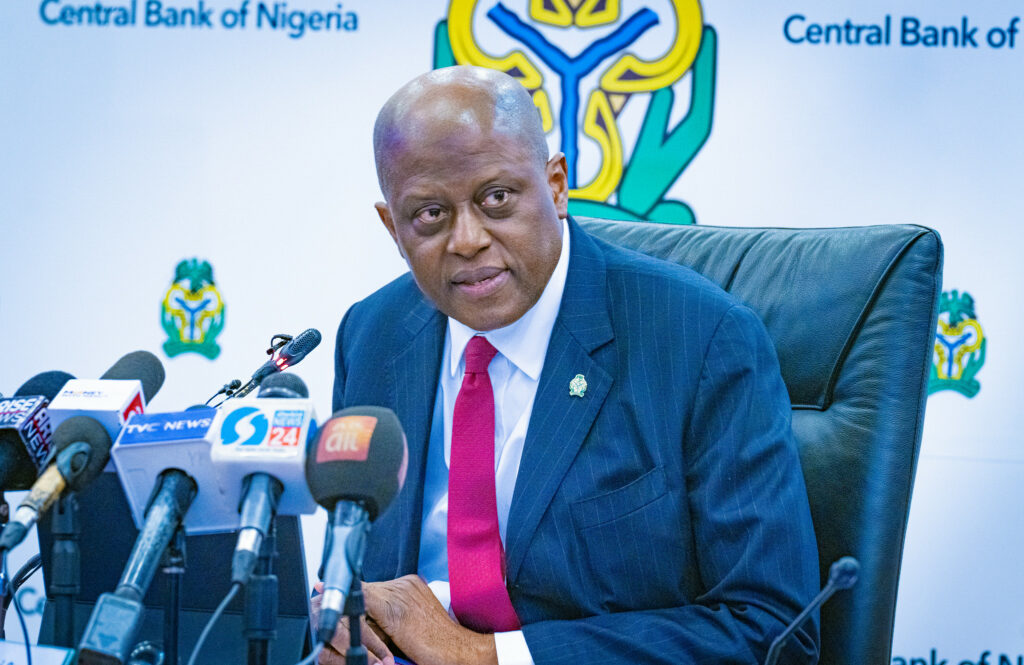
The Central Bank of Nigeria has intensified surveillance of banks and other financial institutions over terrorism financing risks as part of efforts to prevent the country’s financial system from being exploited by illicit actors.

The apex bank said terrorism financing supervision had been elevated to a current supervisory priority, with greater attention to transaction monitoring, suspicious transaction reporting and compliance with targeted financial sanctions.

The CBN disclosed this in a press statement issued on Tuesday and signed by the Acting Director, Corporate Communications and Investor Relations Department, Hakama Sidi-Ali.

“The Central Bank of Nigeria has elevated terrorism financing supervision to a current supervisory priority, as part of its ongoing commitment to protecting the Nigerian financial system from abuse by illicit actors,” the bank said.

The move signals increased regulatory scrutiny of financial institutions’ systems for identifying and managing transactions that could be linked to the financing of terrorism.

According to the CBN, its supervisory attention will cover four major areas, including terrorism financing risk management, transaction monitoring, implementation of targeted financial sanctions and the reporting of suspicious transactions linked to terrorism financing.

The development means banks and other regulated financial institutions are expected to maintain systems capable of identifying unusual transactions and complying with existing anti-money laundering and counter-terrorism financing requirements.

The CBN said it would continue to deploy a risk-based approach to supervision, combining physical examinations of financial institutions with off-site monitoring.

“The bank will continue to apply a risk-based supervisory approach, including on-site and off-site engagement, to support effective AML/CFT/CPF controls across the financial sector in line with existing legal and regulatory obligations,” the statement read.

See also  Banks make N209bn from account maintenance fees in three months

AML/CFT/CPF refers to measures against money laundering, terrorism financing and proliferation financing.

Under a risk-based supervisory framework, regulatory attention is typically concentrated on institutions, customers, transactions or activities considered to pose greater financial crime risks rather than applying the same level of scrutiny across the financial system.

The latest directive also puts attention on the implementation of targeted financial sanctions, which form part of measures designed to prevent designated individuals and entities from accessing or moving funds through the formal financial system.

Suspicious transaction reporting is another major component of the CBN’s latest supervisory focus. Financial institutions are required under existing regulatory frameworks to monitor customer activities and report transactions that raise concerns about potential financial crimes.

The CBN added that the heightened focus was part of Nigeria’s broader domestic and international efforts to combat terrorism financing and other threats to the integrity of the financial system.

“This supervisory focus also supports Nigeria’s ongoing domestic and international cooperation on counter-terrorism financing, counter-proliferation financing, financial integrity, and the protection of the financial system,” the bank stated.

The regulator added that further supervisory engagements would be undertaken where necessary.

The PUNCH recently reported that the CBN directed banks and other financial institutions to immediately freeze the accounts and assets of individuals and companies designated for terrorism and terrorism financing, following fresh sanctions issued by Nigerian and United States authorities.

The directive was contained in a circular dated June 24, 2026, issued by the CBN’s Compliance Department and addressed to all banks, Payment Service Banks and other financial institutions regulated under the Banks and Other Financial Institutions Act 2020.

See also  Lagos hotel room rates hit N205,534 as supply lags

According to the circular, the action followed earlier sanctions designations by the Nigeria Sanctions Committee and the United States Department of the Treasury’s Office of Foreign Assets Control under Executive Order 13224, as amended, on terrorism and terrorism financing.

Source: punchng.com

FOLLOW US ON:

FACEBOOK

TWITTER

PINTEREST

TIKTOK

YOUTUBE

LINKEDIN

INSTAGRAM

Continue Reading

Business

Factories spend N1.3tn on alternative power due to blackouts

Published

on

Nigerian manufacturers spent N1.34tn on alternative electricity sources in 2025, as persistent power outages forced factories to rely on diesel generators and other off-grid energy solutions to sustain production.

Exclusive data from the Manufacturers Association of Nigeria obtained by The PUNCH showed that manufacturers’ spending on alternative power rose by about 21 per cent from N1.11tn in 2024 to N1.34tn in 2025.

The latest increase highlights the growing burden of unreliable electricity supply on Nigeria’s industrial sector, with manufacturers forced to shoulder the cost of generating a significant portion of the power required to keep their plants operating.

MAN data showed that spending on alternative electricity has risen sharply over the past decade, despite fluctuations in some years.

Manufacturers spent N25bn on alternative power in 2014, with the figure increasing to N59bn in 2015 and N129.95bn in 2016.

The expenditure declined to N117.4bn in 2017 and fell further to N93.11bn in 2018 and N61.38bn in 2019.

It rose to N81.91bn in 2020 before dropping to N71.22bn in 2021.

However, the cost of alternative electricity began a steep climb from 2022, reaching N144.5bn that year.

The figure then increased to N781.7bn in 2023, before crossing the N1tn mark at N1.11tn in 2024.

By 2025, manufacturers’ alternative power bill had climbed further to N1.34tn.

The situation has raised concerns about the competitiveness of Nigerian manufacturers, particularly as firms contend with weak consumer purchasing power and intense pressure on operating margins.

Industry stakeholders have stressed the need for more reliable grid electricity and greater investment in alternative energy infrastructure to reduce manufacturers’ dependence on expensive diesel-powered generation.

See also  Lagos hotel room rates hit N205,534 as supply lags

“Grid reliability deteriorated significantly, with daily power supply dropping from 16.7 hours in H1 2025 to just 13.1 hours in H2 2025,” MAN, led by Segun Ajayi-Kadir, said.

Manufacturers abandon DisCos


The PUNCH gathered that many manufacturers are no more relying on the electricity distribution companies, popularly known as DisCos, in their production units or factories, but have deployed gas or LPFO on regular basis in order to avoid suffering losses arising from power cuts during production activities.

Based on our findings, some of the companies that have jilted DisCos in their factories include: Flour Mills of Nigeria, Dangote Group, Cadbury, Haffar, Kam Industries,

Nigerian Breweries Plc, Flour Mills of Nigeria Plc, Lafarge Africa, Procter and Gamble Nigeria Limited, Bank of Industry Ltd, Seven-Up Bottling Company Plc, Dangote Cement Plc, Lekki Port LFTZ Enterprise Limited, Guinness Nigeria Plc, Nestle Nigeria Plc, and Aluminium Smelter Company of Nigeria.

Others in the same category are: De-United Foods Industries Limited, Sagamu Steel Nigeria Limited, British American Tobacco Nigeria Limited, Unilever Nigeria Plc, Total E & P Nigeria Limited, and Mikano International Limited, according to the Nigerian Electricity Regulatory Commission.

In 2025, Pure Flour Mills Limited, a manufacturer in Rivers State, got a licence to generate 546MW, according to the NERC.

Dangote Industries Limited had generated about 1,500 megawatts of electricity in 2025, according to Aliko Dangote. The Dangote refinery alone had a 435MW power plant that could meet the total power requirement of the Ibadan Electricity Distribution Company in 2025.

According to NERC, Pure Flour Mills Limited in Rivers State got a permit to generate 546MW of electricity.  United Cement Company of Nigeria Limited generates 105MW; Flour Mills of Nigeria Plc, 70MW; and Lafarge Cement Wapco Nigeria Plc, 90MW.

See also  FG rolls out new plans to tackle food shortage

An earlier survey undertaken by professor of economics at University of Ibadan, Adeola Adenikinju, showed that manufacturers self-generate 13,223 megawatts (MW) of electricity. But with the exodus from DisCos, analysts say the figures have expanded in the last two years.

Factory shutdowns

Several Nigerian factories have closed down due to poor power supply. Louis Carter, a plastic-making company , is one of them.

“We had a major challenge with energy costs, which was quite unfortunate. We were also not getting the raw materials we needed,” said General Manager of Louis Carter Industries, Ndubuisi Okoli.

Mothers Pride Ventures is another one. It produced thousands of pet bottles, nylon and plastic cans in Asaba for over five years. However, it shut down in 2018 over high production costs.

Managing Director of the now moribund company, Jimoh Dayo, told our reporter that the company went out of business due to the alleged inefficiency of Benin Electricity Distribution Company (Benin DisCo).

“The way DisCos are handling power is not the way it should be. They provide electricity to whoever they want. The privatisation of the power sector (in 2013) should not have been done. Lack of power supply from them destroyed our business.”


Analysts intervene

The Chief Executive Officer of the Centre for the Promotion of Private Enterprise, Dr Muda Yusuf, said: “Power supply continues to be one of the most binding constraints on industrial productivity. Manufacturers are compelled to self-generate energy at enormous cost, undermining competitiveness and eroding profitability.”

He added, “No manufacturing economy can achieve global competitiveness when power is unreliable,logistics are inefficient and capital is prohibitively expensive.”

See also  Five-month crude oil exports fetch Nigeria N20tn

He said Nigeria’s industrial future requires a deliberate and sustained commitment to competitiveness.

“Power sector reforms must deliver reliable and affordable electricity. Investments in rail infrastructure must be accelerated to reduce logistics costs. Development finance institutions should be strengthened to provide long-term industrial financing at concessionary rates.”

Manufacturers have severally filed lawsuits against DisCos and the Nigerian Electricity Regulatory Commission over what they described as arbitrary increases in the electricity bills.

The recently introduced Band A is revving up their costs and they say it could shut more factories.

“Moving forward, stabilising macroeconomic conditions, improving energy supply, and ensuring access to affordable financing will be critical for sustaining growth and enhancing industrial productivity,” Ajayi-Kadir said.

Source: punchng.com

FOLLOW US ON:

FACEBOOK

TWITTER

PINTEREST

TIKTOK

YOUTUBE

LINKEDIN

INSTAGRAM

Continue Reading

Trending