Lifestyle
ALI MUST GO! Nigeria Students Protest, 1978 (PHOTOS)

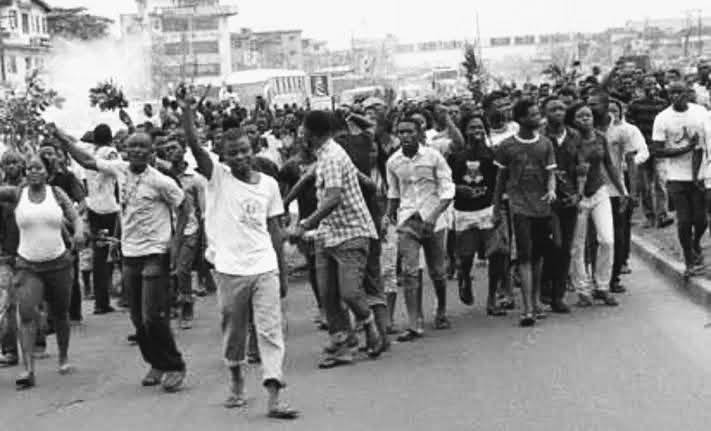
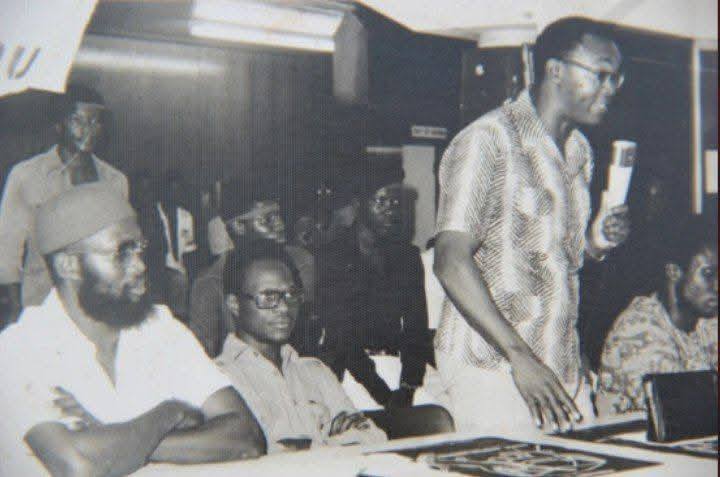
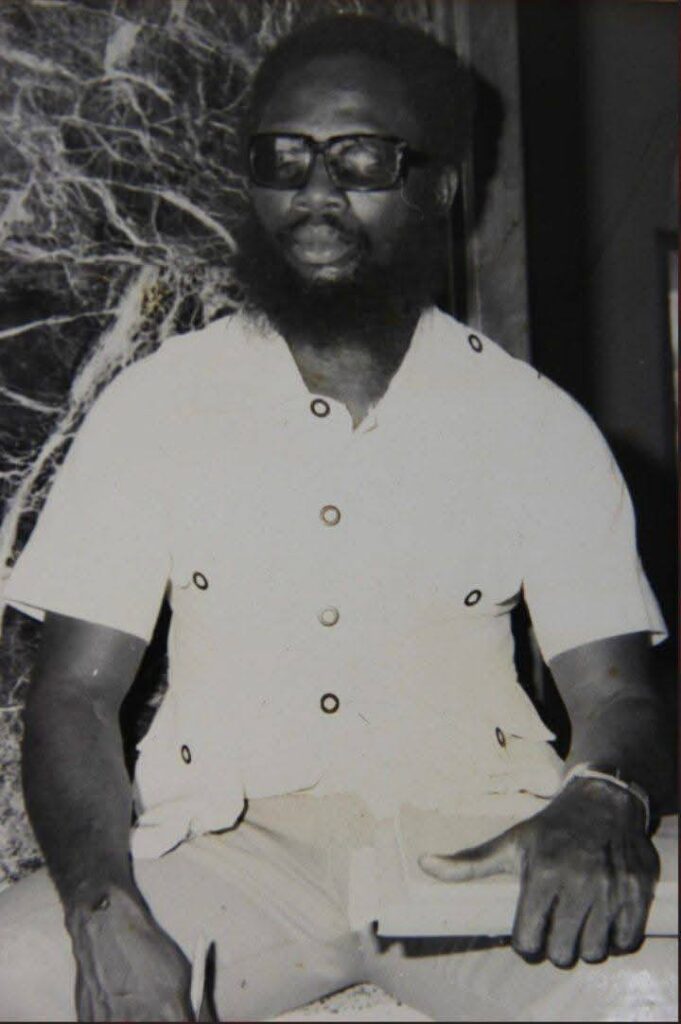
In April 1978, a wave of student-led protests swept across Nigerian universities in what is still regarded as the most iconic student demonstration in the nation’s history — the Ali Must Go protest.
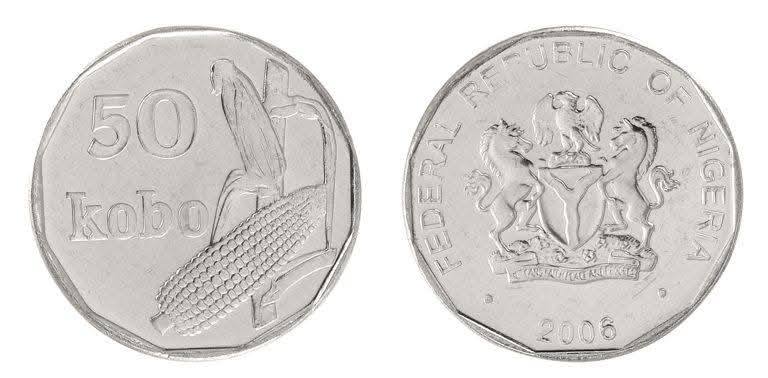
It all began with a government policy to increase the cost of student meals in federal universities from ₦1.50 to ₦2.00 per day, a seemingly small 50 kobo increment. But in the economic climate of the time, that adjustment sparked outrage. The move was perceived not just as insensitive but as part of a broader pattern of neglect and disregard for students’ welfare.
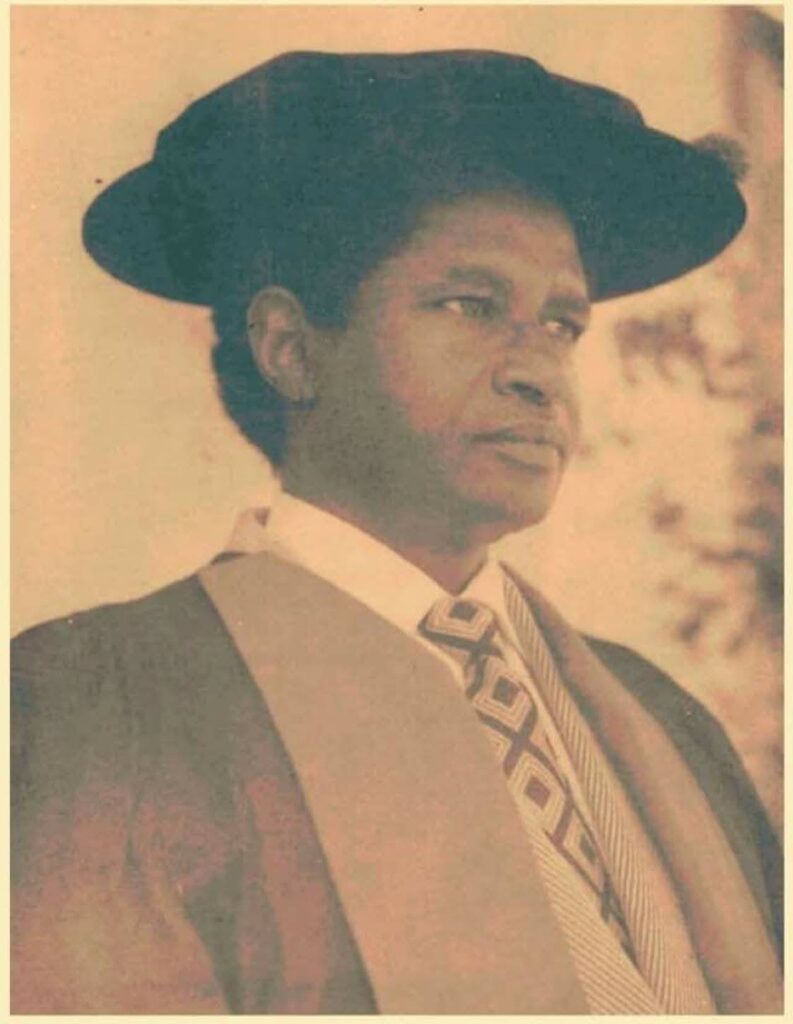
At the centre of the controversy was Colonel (Dr.) Ahmadu Ali, then Nigeria’s Federal Commissioner (Minister) for Education. Although he repeatedly claimed that the price hike came from the Supreme Military Council and not his ministry, students across the country held him directly responsible. They demanded his resignation, and their rallying chant “Ali Must Go!” soon echoed in every university and major city across the country.
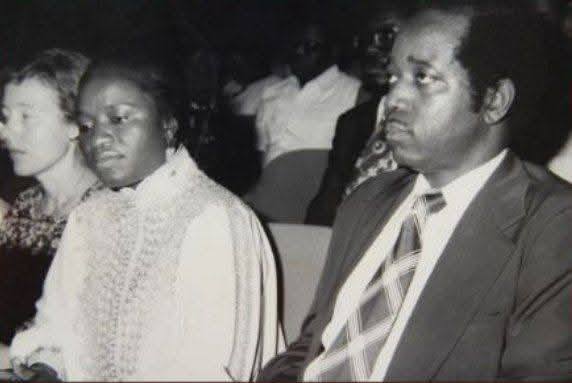
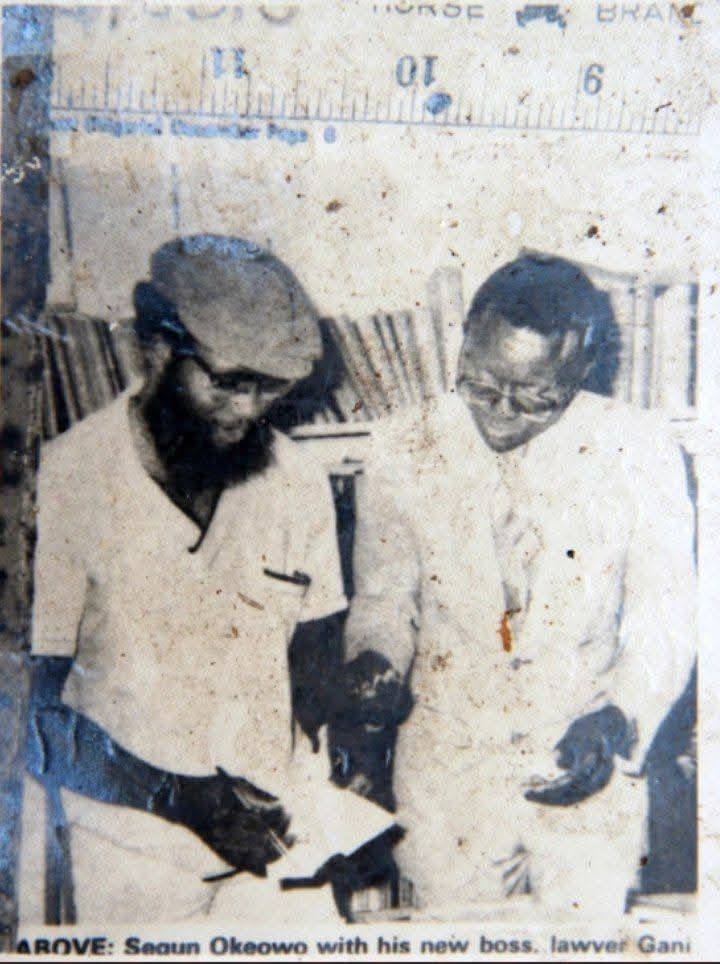
The National Union of Nigerian Students (NUNS), led at the time by its president, Segun Okeowo, took up the issue with urgency. The union held emergency congresses across various universities where student leaders resolved to mobilize against the policy. The first major demonstration erupted at the University of Lagos, where the police clashed with unarmed students. In the chaos, one student was shot in the leg. Tragedy followed when he was taken to both LUTH and the Igbobi Orthopaedic Hospital, and was allegedly denied treatment. He bled to death. That moment deeply enraged the student community and galvanized a national movement.
The slain UNILAG student was later identified as Akintunde Ojo, one of several casualties the nation would witness in what became a dark moment in Nigeria’s educational and civic history.
Okeowo wasted no time. He reached out to his counterparts at the University of Ibadan, Ahmadu Bello University Zaria, the University of Nigeria Nsukka, the University of Ife (now Obafemi Awolowo University), the University of Benin, and the University of Calabar, calling for immediate action. The protests spread rapidly. Students boycotted classes, barricaded streets, held mass rallies, and staged symbolic events, including mock funerals to honor the slain UNILAG student. Across the country, tension escalated.
In Zaria, things turned deadly. At Ahmadu Bello University, Nigerian soldiers opened fire on protesting students. Reports indicated that at least eight young people were killed between the 18th and 20th of April, 1978. Among them were Nicholas Amai, Mohammed Najib Daura, Gwusu Khasai, and Nbbu Amuda Yusuf, all students of ABU. Another victim, Lasisi Abubakar, was reportedly a primary school pupil in Samaru, caught in the violence. A pregnant housewife, Mrs. Arike Balogun, was also killed near UNILAG, and in Ile-Ife, an unnamed secondary school student lost his life. The toll was devastating, and by many accounts, ten lives were lost during the protest.
The military’s use of live ammunition on unarmed students caused national outrage. Rather than back down, the students became even more resolute. For more than a week, they confronted the police and army in pitched standoffs, refusing to be intimidated by bullets or tear gas. The students’ courage exposed the brutality of military rule and challenged the image of an all-powerful state.
Despite growing public sympathy, the media’s ability to report the full scale of the protest was severely limited. Under tight government control, newspapers were censored, and many portrayed the students as troublemakers and agitators threatening public order. But word spread underground through handwritten memos, phone calls, leaflets, and solidarity letters delivered from campus to campus. The students’ organizing efforts, without the benefit of social media or modern communication tools, were swift, disciplined, and remarkably effective.
The government eventually responded with brute force. All institutions of higher learning were highly assaulted by the regime of General Olusegun Obasanjo. All federal universities were shut down. NUNS was banned. Student leaders were targeted for punishment. Segun Okeowo, along with Ekpein Appah (President, UNIBEN), Offiong Aqua (President, UNICAL), and Bukar Mbaha (President, ABU), were expelled and blacklisted.
The crackdown extended beyond students. Lecturers who were perceived to be sympathetic to the students’ cause were dismissed. These included Comrade Ola Oni, Dr. Bade Onimode, Dr. Omafume Onoge, Dr. Wale Adeniran, and Dr. Akin Ojo, all from the University of Ibadan. At the Polytechnic Ibadan, Comrade Laoye Sanda was sacked. At the University of Calabar, Mrs. Bede Madunagu and Dr. Eddie Madunagu were also dismissed. Even two of the country’s most respected vice chancellors, Professor J. F. Ade Ajayi of UNILAG and Professor Iya Abubakar of ABU were compulsorily retired by Obasanjo’s regime.
One of the leader of student welfare, Comrade Ebenezer Babatope (Ebino Topsy), who served as the Students’ Welfare Officer at UNILAG, was also removed. Dr. Ladipo Sogbetun, Senior Medical Officer at the same institution, was compulsorily retired. The repression even extended to the press. Bassey Ekpo Bassey, then Political Editor of the Nigerian Chronicle, was dismissed for his coverage of the crisis.
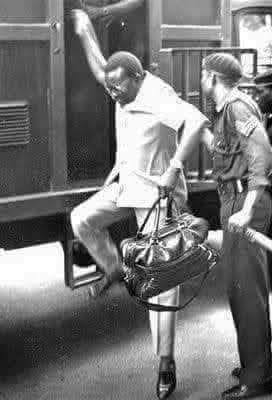
The great Gani Fawehinmi, who stood firmly on the side of the students, defending them in court and offering both legal and moral support, was arrested, beaten, and detained at Inter-Centre. He was charged to court but eventually discharged and acquitted. His role in the crisis further cemented his place in history as a tireless defender of civil rights and academic freedom.
Though the policy on meal subsidies was never reversed, the protest succeeded in rattling the regime and igniting a new generation of politically conscious students. Although some of the affected students were later readmitted after losing semesters, and some of the lecturers were eventually reinstated after years, the damage done to Nigeria’s educational institutions was long-lasting and, in many ways, irreversible.
To this day, the exact number of students killed during the Ali Must Go protest remains contested. But what is clear is that they were not just statistics, they were victims of state violence, martyrs of Nigerian youth activism. Their names may not be carved in stone, but they live in memory, passed on from generation to generation.
Segun Okeowo, who led the movement and bore the brunt of the state’s punishment, later became a respected educationist and principal in Ogun State. Until his death in 2014, he remained proud of what he had done. In an interview years later, he said, “It was a struggle for justice. If the system fails the people, the people must speak. We spoke — loudly.”
The Ali Must Go protest marked a turning point in Nigerian history. It showed that the youth, united by a cause, could challenge even a military regime. It laid the foundation for future movements like the rebirth of student unionism with the formation of NANS in 1980, to later uprisings like the fuel subsidy protests, the June 12 struggle, and even EndSARS protest. It also etched the phrase “Ali Must Go” into Nigerian political language, a lasting metaphor for resistance against poor leadership and tone-deaf policies.
Though the students of 1978 were silenced by force, their actions shook the country to its core. Their courage, their sacrifice, and their unwavering demand for justice must never be forgotten.
FOLLOW US ON:






FAKE IT TILL YOU MAKE IT — BUT AT WHAT COST?

“I MADE THIS PERSON WHO THEY ARE TODAY!” — REALLY?

SOME PEOPLE WILL DO ANYTHING — EVEN EVIL — JUST TO MAKE MONEY!

‘Sleeping Prince’ of Saudi Arabia dies after 20 years in coma

2027: Atiku delays ADC membership card collection amid rumoured Jonathan comeback

How A Class Of 24 Students Produced 2 Presidents, 4 Governors, 2 Ministers, 4 Emirs, 3 Justices, 4 Ambassadors and Other Influential Leaders


-

 News19 hours ago
Air chief pleads for patience as investigation begins on Ondo crash
-
News18 hours ago
Dapo Abiodun reveals that Nigeria needs 554,353 personnel for state police, read details
-
News18 hours ago
INEC displays voter register, begins PVC distribution ahead of 2027 elections
-
Business19 hours ago
FG’s 30-day petrol discount sparks opposition backlash
-
Sports18 hours ago
Adeniyi lauds Nigeria’s Veterans World Wrestling Champs medal
-
News17 hours ago
Trump rules out new Iran attack before US midterm elections
-
News18 hours ago
Gates Foundation director reveals that AI tools will help detect pregnancy complications early, read how
-
Business18 hours ago
Report reveals Nigeria leaves N40tn manufacturing opportunities untapped