
Connect with us

Lifestyle

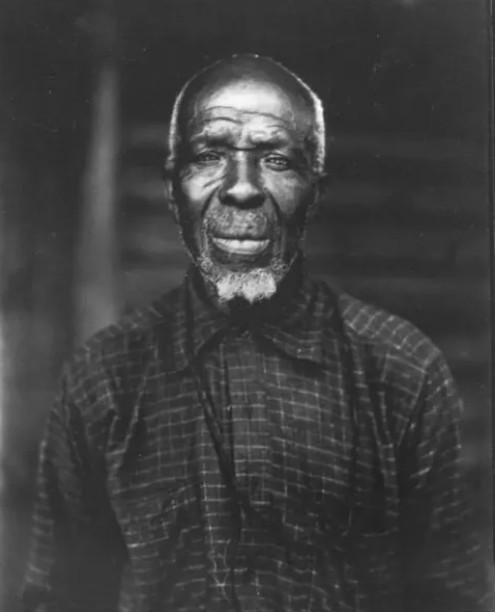
Cudjoe Lewis (Oluale Kossola): The Last Survivor of the Clotilda and Co-Founder of Africatown (PHOTOS)

Published

on

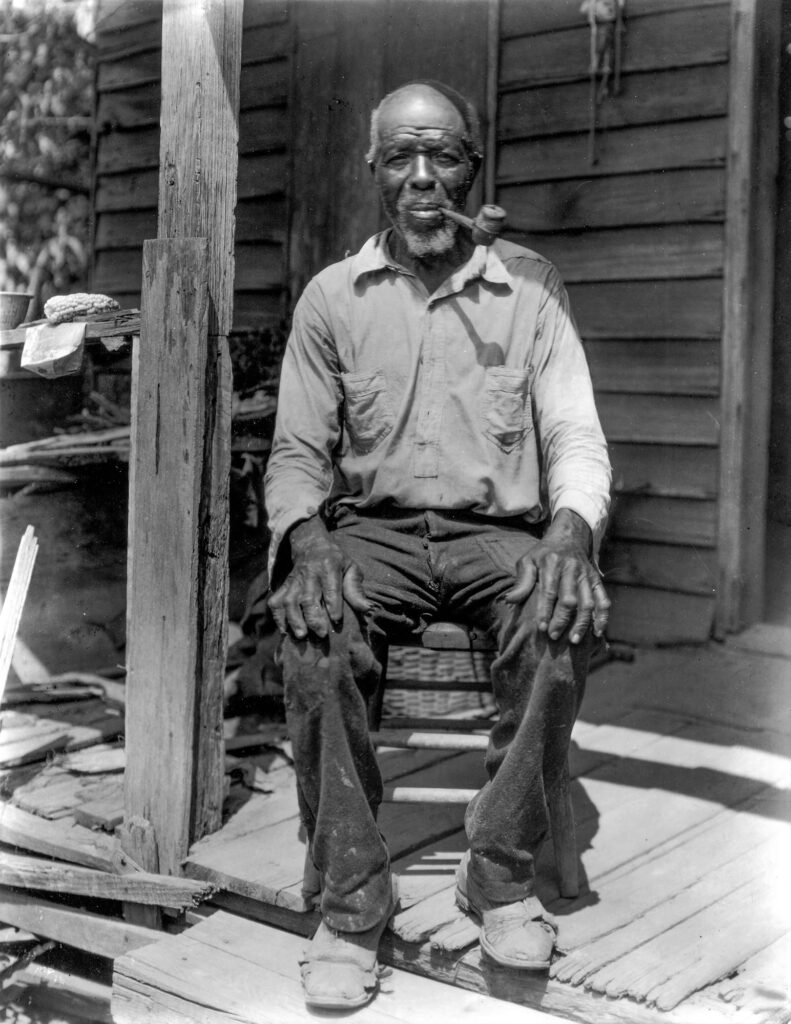
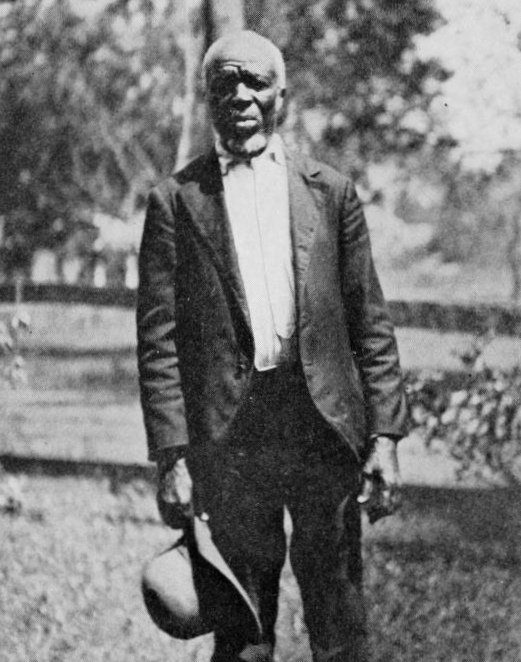
Cudjoe Lewis—born Oluale Kossola around 1841 in Bantè, in the kingdom of Dahomey (present-day Benin)—stands as a powerful witness to two intertwined histories: the rich traditions of the Yoruba people of West Africa and the enduring scars of the transatlantic slave trade. Remembered as the last known survivor of the Clotilda, the final recorded slave ship to bring enslaved Africans to the United States, Lewis’s life illuminates both the brutality of enslavement and the resilience of African culture in the Americas.

Early Life and Capture

Kossola was born into the Yoruba ethnic group, whose communities at the time were part of the sophisticated Oyo cultural sphere. His youth was shaped by the rhythms of Yoruba village life until circa 1860, when soldiers of the kingdom of Dahomey—under King Ghezo—conducted one of their frequent slave-raiding expeditions. During this raid Kossola and hundreds of others were seized and marched to the coastal slave port of Ouidah, a key hub in the transatlantic slave trade.

Although the United States had banned the international slave trade in 1808, American slave traders still financed clandestine voyages. In Ouidah, Kossola was sold to American traffickers and forced aboard the schooner Clotilda, along with roughly 110 other captives.

The Illegal Voyage of the Clotilda

The Clotilda’s voyage was organized in secret by Timothy Meaher, a wealthy shipper from Mobile, Alabama, who aimed to defy federal law and profit from human trafficking. In mid-1860 the Clotilda crossed the Atlantic and slipped into Mobile Bay. To destroy evidence of their crime, the crew burned and sank the ship in the Mobile–Tensaw Delta—its remains would not be positively identified until 2019, when maritime archaeologists confirmed the wreck.

See also  Unseen struggles of ex-convicts chained to crime by stigma

Enslavement and Emancipation

On arrival, Kossola was renamed Cudjoe Lewis, a common practice meant to erase African identity. He was enslaved on Alabama plantations until the end of the American Civil War in 1865, when the Thirteenth Amendment formally ended slavery. Freedom, however, brought daunting challenges: Lewis and his fellow Clotilda survivors had to build livelihoods in a society still marked by racism and economic exclusion.

Founding of Africatown

Determined to preserve their heritage, about thirty Clotilda survivors—including Lewis—pooled their resources and purchased land in 1870 from the Meaher family itself, the very family that had financed their illegal capture. They established a settlement they called Africatown (also known as Africa Town) on the outskirts of Mobile.

The founders organized their community using social and political traditions from their West African homelands, maintained Yoruba and other African languages for decades, and celebrated their ancestral customs. Lewis emerged as a respected elder and community leader, helping to keep the group’s cultural memory alive.

Later Life and Zora Neale Hurston’s Interviews

In the early twentieth century, Lewis shared his memories with journalists, historians, and notably with Zora Neale Hurston, the Harlem Renaissance writer and anthropologist. Hurston interviewed him in the late 1920s, capturing his vivid recollections of capture, the Middle Passage, and the founding of Africatown. Publishers of the time rejected the manuscript for its unflinching portrayal of slavery; it remained unpublished until 2018, when it appeared as Barracoon: The Story of the Last “Black Cargo”.
Lewis died on July 26, 1935, in Africatown, by then recognized as the last known survivor of the transatlantic slave trade.

See also  Yusuf Grillo: Pioneer of Nigerian Contemporary Art and Master of Stained Glass (PHOTOS)

Legacy and Historical Significance

Cudjoe Lewis’s life underscores the persistence of the illegal slave trade more than fifty years after it was outlawed in the United States. His testimony preserves an authentic African perspective on capture, enslavement, and cultural survival. Africatown—today a U.S. National Register of Historic Places site—remains a living symbol of resilience, where descendants and preservationists continue to honor the memory of Lewis and his fellow founders.

The 2019 confirmation of the Clotilda wreck renewed international attention to Africatown’s history and to the broader story of the Atlantic slave trade’s last chapter. Lewis’s journey—from Yoruba village child to elder of an African American community—remains a powerful narrative of endurance, identity, and the unbreakable ties between Africa and its diaspora.

Sources
Hurston, Zora Neale. Barracoon: The Story of the Last “Black Cargo.” Amistad, 2018.

FOLLOW US ON:

FACEBOOK

TWITTER

PINTEREST

TIKTOK

YOUTUBE

LINKEDIN

TUMBLR

INSTAGRAM

Continue Reading
Click to comment

Leave a Reply

Your email address will not be published. Required fields are marked *

Lifestyle

World Sleep Day: Doctors advise adults to sleep seven to nine hours daily

Published

on

Medical experts have advised adults to get between seven and nine hours of sleep daily to maintain good physical and mental health.

A Consultant Family and Lifestyle Medicine Physician, Dr Moyosore Makinde, gave the advice on Friday in Lagos while speaking with the News Agency of Nigeria to mark World Sleep Day.

Makinde, who is also the President of the Society of Lifestyle Medicine of Nigeria, said adequate sleep plays a vital role in maintaining overall wellbeing, productivity and long-term health.

The 2026 World Sleep Day, themed “Sleep Well, Live Better,” is dedicated to raising awareness about sleep’s critical role in human health and encouraging individuals to adopt healthier sleep habits.

Makinde explained that recommended sleep duration varies by age, noting that while adults require fewer hours, infants and children need longer sleep periods for proper development and overall well-being.

Citing World Health Organisation stipulations, Makinde recommended seven to nine hours of restorative sleep for adults above 18, explaining that infants and children required significantly longer sleep duration.

She decried the high level of sleep deprivation among the populace, noting many people failed to get adequate sleep daily, a situation she warned could negatively affect health, safety and well-being.

Makinde said the fast pace of modern life often left little time for rest, urging Nigerians to deliberately prioritise sleep by creating time for proper rest, relaxation and recovery daily.

She attributed sleep deprivation to multiple factors, including health challenges, lack of time, social media addiction, poor sleeping environments, unhealthy sleep positions, and demanding daily schedules aimed at survival.

See also  PHOTOS: Haunting photographs of Patrice Lumumba, Congo’s first Prime Minister, alongside his closest allies, Maurice Mpolo and Joseph Okito

According to Makinde, prolonged sleep deprivation increases risks of accidents, judgment errors, workplace mistakes, Type 2 diabetes, heart disease, obesity, overweight, and certain cancers, including breast and prostate.

“Sleeping well in order to live better is not a myth. Sleep remains one of the most powerful yet often neglected pillars of health and well-being in modern society.

“To maintain good health, adults should have seven to nine restorative hours of sleep per day.

“Infants require up to 16 to 17 hours of sleep, while pre-school and school-age children need up to 13 hours and 12 hours, respectively, for proper brain development,” Makinde added.

According to her, sleep is as important as the food we eat, the water we drink and the air we breathe.

“It is a natural state of rest and a period when the body repairs itself physiologically, restoring energy, strengthening immunity and supporting overall bodily functions.

“Amid the hustle and bustle of work, study and business, particularly in Lagos, Nigerians need to prioritise sleep.

“In doing so, we are also prioritising our health,” she said.

Contributing, a psychiatrist and therapist, Dr Maymunah Kadiri, described sleep as “an integral part of mental well-being,” stressing its critical role in maintaining psychological balance.

Kadiri, also Medical Director of Pinnacle Medical Services, explained that good sleep improved concentration, enhanced brain performance and contributed positively to overall cognitive functioning and emotional stability.

She noted that adequate sleep supported cognitive processes and helped reduce symptoms of depression and anxiety, making it an essential component of maintaining good mental health.

See also  Premium Cocoa Products (Ile-Oluji) Limited: Reviving Nigeria’s Cocoa Legacy

According to her, healthy sleep goes beyond hours spent in bed, noting that it involves adequate duration, good sleep quality that is uninterrupted and refreshing, and a consistent sleep schedule.

“Sleep significantly benefits mental health. During a good night’s sleep, the brain gets rest and all the nutrients it needs.

“A person who enjoys long-term good sleep develops improved stress resistance. Brain function improves, and the risk of cognitive disorders is significantly reduced over time.

“Sleep has a direct impact on mental health and its quality. It helps process emotions and alleviates stress as well as negative feelings,” Kadiri said.

NAN

punch.ng

FOLLOW US ON:

FACEBOOK

TWITTER

PINTEREST

TIKTOK

YOUTUBE

LINKEDIN

Continue Reading

Lifestyle

Comedian Broda Shaggy hospitalised after alleged shooting

Published

on

Popular comedian, skit maker and social media influencer, Samuel Perry, popularly known as Broda Shaggy, has been hospitalised after he was allegedly shot in the Sango-Ota area of Ogun State, PUNCH Metro has learnt.

It was gathered that the incident occurred under the Sango-Ota bridge on Sunday afternoon.

Although the circumstances surrounding the shooting remain unclear, a police source who spoke on condition of anonymity because he was not authorised to comment on the matter said the content creator sustained the gunshot injury while filming a comedy skit at the location.

According to the source, Broda Shaggy was immediately rushed to the Blooming Care Hospital in the Alakuko area of Lagos State, where he received initial treatment.

“He was shooting a skit under the Sango-Ota bridge when he sustained a gunshot injury. We don’t have details on how it happened yet, but his crew members who were present quickly rushed him to the hospital,” the source said.

The source added that medical personnel at the hospital administered first aid upon his arrival.

Further findings by PUNCH Metro, however, revealed that he was later referred to Duchess Hospital in the Government Residential Area, Ikeja, where he is currently recuperating.

Efforts by our correspondent to reach both hospitals were unsuccessful, as calls made to the contact numbers listed on their social media pages did not connect. A text message sent to them had yet to be replied to as of the time of filing this report.

When contacted on Thursday, the spokesperson for the Lagos State Police Command, Abimbola Adebisi, confirmed the development, noting that the police were alerted by the hospital.

See also  How the European powers shared Africa in the 1884-1885 Berlin Conference.

“The hospital contacted the police to report that a gunshot victim had been brought to their facility. Detectives and a patrol team were immediately mobilised to the hospital, where they discovered that the victim was a skit maker and social media influencer popularly known as Broda Shaggy.

“He was seen on a stretcher with an injury to his thigh. The location of the incident is in Sango-Ota and not within our jurisdiction, but the investigation is ongoing,” she said.

When contacted for further clarification, the spokesperson for the Ogun State Police Command, Oluseyi Babaseyi, said the incident had not been reported to the police in the state.

“The incident was alleged to have occurred in Ogun State, but it was not reported,” he said.

Broda Shaggy’s manager, Olufemi Oguntamu, also known as Penzaar, did not respond to calls made to his phone. A text message sent to him had yet to be replied to as of the time of filing this report.

PUNCH Metro recalls that in October 2024, a popular content creator, Afeez Ojesanmi, popularly known as Salo, was reportedly robbed of his jewellery and shot around the Lekki axis of Lagos State.

punch.ng

FOLLOW US ON:

FACEBOOK

TWITTER

PINTEREST

TIKTOK

YOUTUBE

LINKEDIN

Continue Reading

Lifestyle

Nollywood actress Sarah Martins apologises for roadside cooking

Published

on

Nollywood actress Sarah Martins has formally responded to the Lagos State Government’s warning regarding her recent public cooking activity, clarifying that the event was an emotional reconnection with vulnerable children rather than a deliberate breach of environmental laws.

The response comes after the Lagos State Commissioner for the Environment and Water Resources, Tokunbo Wahab, on Saturday, cautioned the actress against cooking on public roads, warning that she risks arrest and prosecution if she continues the practice.

In an open letter posted on her Instagram handle on Sunday, Martins, the founder of the Sarah Martins Golden Heart Foundation, sought to set the record straight, stating that the meal was prepared in a controlled environment.

“I would like to respectfully clarify that I did not cook on the walkway or on the main street.

“The meal was prepared in front of the King’s Palace under the supervision of security personnel, and the activity took place very far from the main road, ensuring that it did not obstruct movement or create any public nuisance,” she wrote.

Explaining the motivation behind the act, the actress described it as a response to the pleas of street children she frequently encounters.

“The visit was simply born out of an emotional moment. I had deeply missed the bond I share with the vulnerable street children in that area,” she explained.

“As I occasionally drive past that axis, the children often plead with me to come back and cook with them like I used to. On this particular day, I decided to spend some time with them and prepare a meal, purely to reconnect and create memories with the kids who have always shown me genuine love,” she added.

The actress offered an apology to the state government for any perceived impropriety, saying, “My brief return to that location was never intended to create any form of public nuisance, but simply to share a heartfelt moment with children who have continued to ask for my presence.

See also  Yusuf Grillo: Pioneer of Nigerian Contemporary Art and Master of Stained Glass (PHOTOS)

“However, if my actions were perceived as inappropriate in any way, I sincerely apologide. I hold the laws and environmental standards of Lagos State in the highest regard.

“Going forward, I will ensure that all cooking activities are carried out strictly within the charity kitchen provided for the foundation.”

In her response, Martins also expressed gratitude to Seyi Tinubu, the President’s son, noting that his donation of a charity kitchen was specifically intended to ensure her feeding programs are conducted in a proper and organised environment, which she said her foundation remains committed to using.

PUNCH Online reports that Martins was arrested in October 2025 by KAI officials while she was cooking on a road median in Lekki, seizing her equipment.

The Lagos State Government defended the operation, with Wahab stating that the actress had engaged in unauthorised activities on public infrastructure in contravention of environmental and sanitation regulations.

While she previously claimed to have received ₦20 million from his office, Seyi Tinubu reportedly denied making the donation personally, saying some friends, moved by compassion, had raised funds to help her secure a proper space for her charity work, but stressed that he did not support any act that violated Lagos State laws.

punch.ng

FOLLOW US ON:

FACEBOOK

TWITTER

PINTEREST

TIKTOK

YOUTUBE

LINKEDIN

TUMBLR

INSTAGRAM

Continue Reading

Trending