Lifestyle
Major Daniel Idowu Bamidele: The Loyal Soldier Betrayed by the System He Served (PHOTOS)

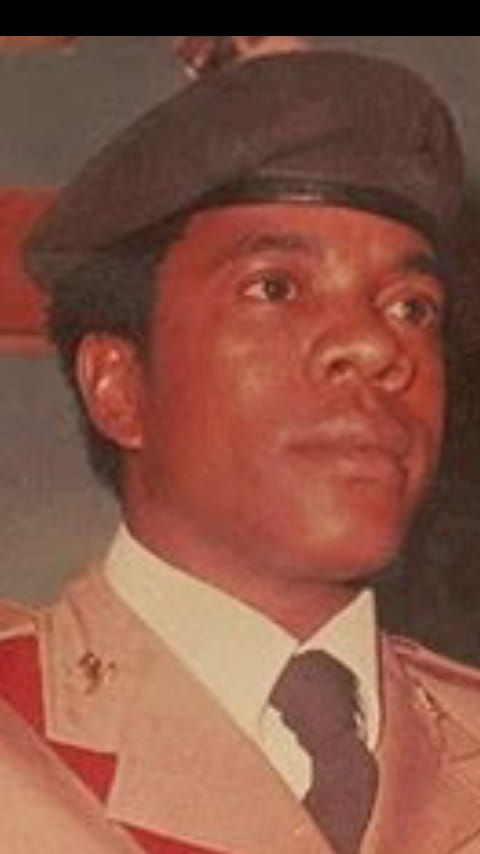
UNKNOWN TO BAMIDELE AT THE TIME, BUHARI WAS DEEPLY INVOLVED IN THE PLANNING OF THE COUP HE WAS ATTEMPTING TO ALERT THE ARMY AGAINST.
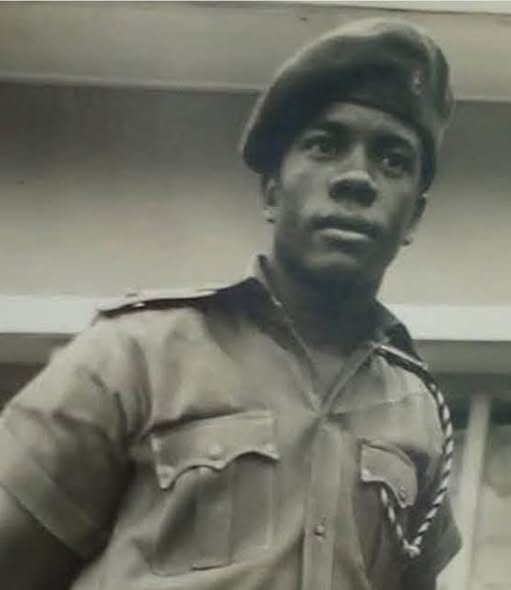
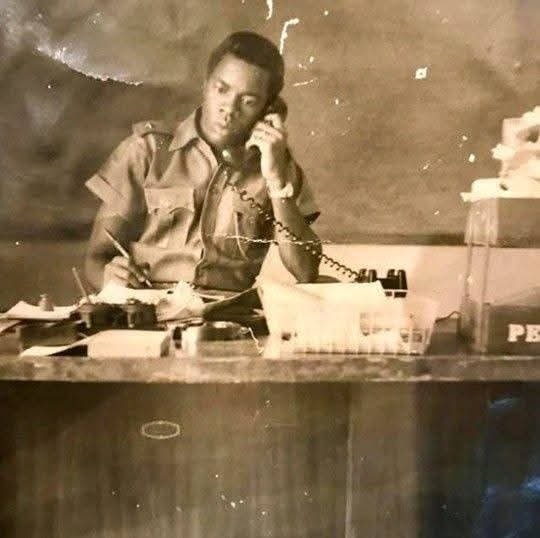
On March 5, 1986, Major Daniel Idowu Bamidele, a brilliant and decorated officer of the Nigerian Army, was executed by firing squad alongside nine other military personnel. His alleged crime was conspiracy to commit treason linked to the popular “Vatsa Coup” against the military regime of General Ibrahim Babangida.
Yet, Bamidele’s story was not that of rebellion, but of a loyal officer punished for remaining silent. His silence was a consequence of an earlier betrayal that had shaken his faith in the very system he served.
Born in 1949, Bamidele joined the Nigerian Army in 1968 during the height of the Nigerian Civil War. He was initially recruited as a non-commissioned officer and was posted to the 12th Commando Brigade, where he fought under Colonel Benjamin Adekunle and later Colonel Olusegun Obasanjo. His competence and leadership on the battlefield earned him a recommendation for officer training, and he was commissioned into the Nigerian Army on July 29, 1970 after completing training at the Nigerian Defence Academy.
In October 1983, during an official trip to Kaduna to print documents for the Chief of Army Staff Conference, Bamidele overheard rumours of a coup being planned to oust President Shehu Shagari. On returning to Jos, he acted promptly and responsibly by reporting the intelligence to his General Officer Commanding, Major General Muhammadu Buhari. Unknown to Bamidele at the time, Buhari was deeply involved in the planning of the coup he was attempting to alert the army against.
Within days of his report, Bamidele was quietly summoned to Lagos and detained at Tego Barracks by officers of the Directorate of Military Intelligence. He was accused of plotting a coup, the very one he had tried to prevent. Fake witnesses were presented, a mock interrogation was conducted, and false reports were submitted to the National Security Organisation, then under the leadership of Umaru Shinkafi, in an effort to mislead the Shagari government. While the real coup plotters carried on with their plans, Bamidele languished in detention. Eventually, on November 25, 1983, he was released without charge due to the complete absence of evidence against him.
He returned to Jos bewildered by the series of events that had just unfolded. The shocking truth came to light on January 1, 1984 when his former GOC, Major General Muhammadu Buhari whom he had reported the coup plot to announced himself as Nigeria’s new Head of State, having seized power in a military coup, validating everything Bamidele had feared and proving the betrayal he had suffered.
After his experience, Bamidele wisely chose to remain silent about any subsequent coup plots.
In early 1984, Bamidele’s name appeared on a list of officers to be compulsorily retired. When the list was presented to Head of State Buhari for approval, he struck Bamidele’s name off the list, reason unclear, possibly acknowledging the injustice of his prior ordeal. Instead, Bamidele was posted to the Command and Staff College in Jaji as a Directing Staff, where he resumed his duties.
The events that led to his execution began in 1985, following General Babangida’s overthrow of Buhari. Not long after assuming office, Babangida’s intelligence network claimed it had uncovered a plot to remove him from power. At the center of this alleged conspiracy was Major General Mamman Vatsa, Babangida’s childhood friend and then Minister of the Federal Capital Territory. Bamidele was implicated in the conspiracy based on his attendance at a meeting in a guest house in Makurdi. That meeting included other senior officers such as Lieutenant Colonel Michael Iyorshe, Lieutenant Colonel Musa Bitiyong, Lieutenant Colonel Christian Oche, Wing Commander Ben Ekele, and Wing Commander Adamu Sakaba.
Although political discussions and criticisms of the Babangida regime took place during the gathering, there was no evidence of operational coup planning. However, Bamidele, still haunted by his 1983 ordeal, chose to remain silent. It was that silence that became the basis for the charge of conspiracy to commit treason.
He was arrested and tried by a Special Military Tribunal. The trial was conducted in secret, with no right of appeal, and little opportunity for fair defense. Despite the absence of clear evidence linking him to any actual plot, Bamidele was found guilty.
Before he was executed, he delivered a powerful, solemn statement, a statement that has since become one of the most quoted last words in Nigerian military history.
He said:
“I heard of the 1983 coup planning, told my GOC General Buhari who detained me for two weeks in Lagos. Instead of a pat on the back, I received a stab. How then do you expect me to report this one? This trial marks the eclipse of my brilliant and unblemished career of 19 years. I fought in the civil war with the ability it pleased God to give me. It is unfortunate that I’m being convicted for something which I have had to stop on two occasions. This is not self-adulation but a sincere summary of the qualities inherent in me. It is an irony of fate that the president of the tribunal who in 1964 felt that I was good enough to take training in the UK is now saddled with the duty of showing me the exit from the force and the world.”
On March 5, 1986, Major Daniel Idowu Bamidele was executed by firing squad at Kirikiri Maximum Security Prison. Among those executed with him were Major General Mamman Vatsa, Lieutenant Colonel Musa Bitiyong, Lieutenant Colonel Christian Oche, Lieutenant Colonel Clement Akale, Lieutenant Colonel M. Parwang, Wing Commander A.A. Togun, Major A.K. Obasa, Wing Commander Ben Ekele, and Wing Commander Adamu Sakaba.
Major Bamidele’s life and death remain a haunting reminder of the dangers faced by soldiers of conscience. His ordeal reflects the cost of honour in a system where truth was expendable and power was absolute. He was a soldier punished for doing the right thing once, and then punished again for refusing to be used.
Today, his name stands as a symbol of tragic integrity, a man who paid the ultimate price for trusting his superiors and remaining loyal to the oath he swore.
Rest in power, Major Daniel Idowu Bamidele. Nigerians will never forget you.
FOLLOW US ON:


In the annals of Yoruba history, few titles carry as much weight and reverence as that of the Balogun.
Below is a list of some of the most formidable Baloguns who shaped Yoruba history.
1. Balogun Oderinlo (Ibadan) Active: c. 1840s
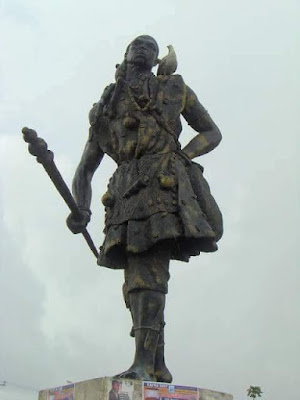
A tactical genius and fearless leader, Oderinlo is best remembered for his role in the Osogbo War, where he led Ibadan forces to a decisive victory over the Fulani warriors of Ilorin, halting their southern advance into Yorubaland.
2. Balogun Ajikobi (Ilorin) Active: 1830s–1840
A controversial but powerful figure, Ajikobi conquered Alaafin Oluewu and the Oba of Ibaruba. However, his reign of conquest ended during the Osogbo War, where he was captured and publicly executed in Oyo.
3. Balogun Ibikunle (Ibadan) Active: 1850s–1860s
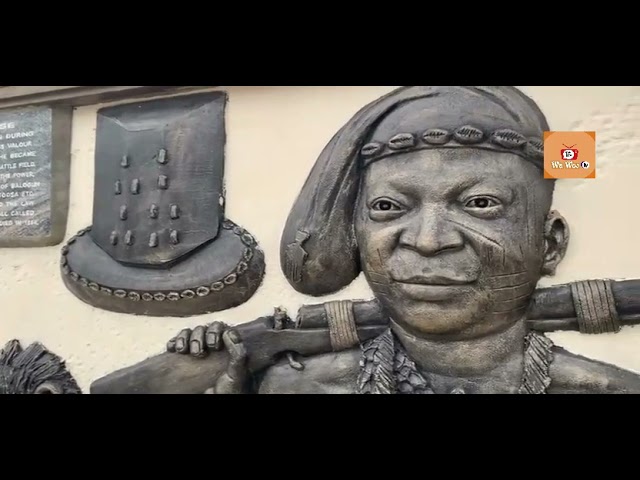
Known for his confrontation with the formidable Aare Ona Kakanfo Kurunmi of Ijaiye, Ibikunle emerged victorious, cementing his reputation as a warrior without equal.
4. Balogun Akere (Ibadan) Active: c. 1860s
Fought valiantly in the Ijesha War, but tragically lost his life in battle.
5. Balogun Orowusi (Ibadan) Active: Mid-1800s
The first commander to lead Ibadan to a historic victory over the Ijesha, Orowusi’s victory marked a turning point in regional dominance.
6. Balogun Ogunbona (Abeokuta, Egba) Active: 1851–1864
An exceptional strategist, Ogunbona played a crucial role in repelling the powerful Dahomey army during the Dahomey Wars, securing Egba independence and stability.
7. Balogun Ayikodu (Abeokuta) Active: Mid-1800s
A tenacious warrior who fought in numerous campaigns to protect and strengthen the Egba kingdom, often placing himself in the front lines.
8. Balogun Osungboekun (Ibadan) Active: 1880s–1893
After the betrayal and death of Aare Latoosa, Osungboekun took control during the Ekiti Parapo (Kiriji) War.
9. Balogun Olasile (Ijaye) Active: c. 1860–1862
A loyal general under Kurunmi, Olasile fought in multiple campaigns and served as one of the backbones of Ijaiye’s military structure.
10. Balogun Singusee (Ile-Ife) Active: c. 1821–1825
Led the ancient city of Ile-Ife during the Old Owu War, eventually leading to the downfall of the Owu kingdom. His campaign reshaped the political landscape of the time.
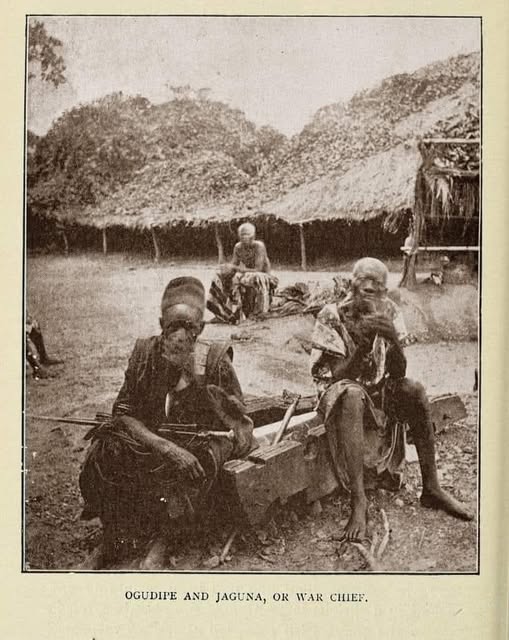
11. Balogun Ogundipe (Abeokuta) Active: c. 1860s–1870s
A relentless defender of Egba sovereignty, Ogundipe’s name is associated with countless victories and an unshakable will.
12. Balogun Kuku (Ijebu) Active: 1890s–early 1900s
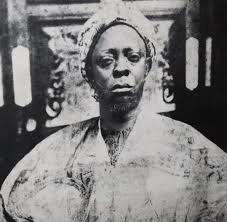
Perhaps one of the most legendary Baloguns, Kuku fought multiple wars and was the first Yoruba commander to resist British colonial forces, making him a symbol of both traditional military valor and anti-colonial defiance.
These Baloguns were not mere warriors; they were protectors, visionaries, and architects of Yoruba survival and identity.
Their legacies continue to echo across Yorubaland—from the city-states of Ibadan and Abeokuta to the sacred grounds of Ile-Ife and Ijebu.
Yoruba saying:
“A kii jẹ ọmọ Balogun ki a má níkarahun”
(One does not descend from a Balogun and lack courage.)
FOLLOW US ON:


PHOTOS: Pastor, Wife, Others Nabbed As NDLEA Uncovers Major Drug Network In Lagos

100 Happy Easter Messages, Wishes, Prayers

Easter: No love in Christianity, pastors extorting church members – Primate Ayodele

‘Sleeping Prince’ of Saudi Arabia dies after 20 years in coma

How A Class Of 24 Students Produced 2 Presidents, 4 Governors, 2 Ministers, 4 Emirs, 3 Justices, 4 Ambassadors and Other Influential Leaders

Why Do You Continue To Lie Against Your Motherland? Presidency Calls Out Kemi Badenoch


-

 Videos16 hours ago
BREAKING NEWS: Obasanjo Rocks Tinubu’s Outfit in Ogun State! 🇳🇬
-
Lifestyle17 hours ago
Anglican bishop decries insecurity, urges protection of lives during Easter
-
Lifestyle16 hours ago
Haunted wigs: Lawyers share mysterious courtroom experiences
-
Politics15 hours ago
Opposition parties weigh election boycott ahead of 2027
-
Lifestyle15 hours ago
Osun-Osogbo shrine worshippers shocked we did not die after touching deity — Cleric
-
Lifestyle17 hours ago
Breaking News – Hope is Alive! ✨
-
Politics16 hours ago
ADC crisis: Govs, lawmakers shelve defections
-
Sports17 hours ago
Ronaldo hits 967th career goal in Al Nassr’s 5-2 win