Connect with us

News

We created water marshals to enforce safety – Ex NIWA MD

Published

on

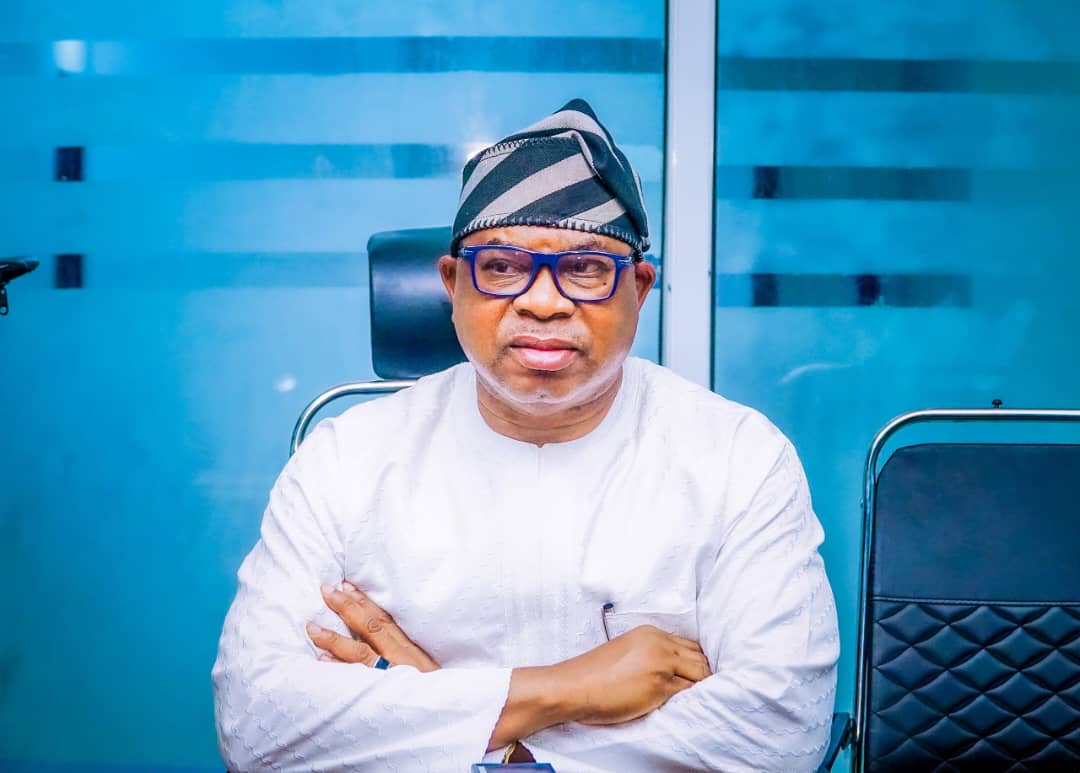
Bola Oyebamiji, the former Managing Director of the National Inland Waterways Authority, is contesting the 2026 Osun State governorship election under the All Progressives Congress. In this interview with ANOZIE EGOLE, he discusses his achievements at NIWA and shares his vision for Osun State if elected

Reflecting on your time as Managing Director of NIWA, which initiatives or reforms stand out as your greatest achievements, and how did they influence Nigeria’s inland waterways?

During my time as Managing Director/CEO of NIWA, I initiated several audacious projects that added substantial value to our operations. My first focus was on the need for an enforceable regulation for inland waters. We discovered that a regulation had been in development for many years without much progress. We worked diligently to fine-tune it, leading to its gazettement and unveiling by the Minister of Marine and Blue Economy, Adegboyega Oyetola.

With the Transportation Code in place, we also established an enforcement arm: the Water Marshals. We realised that without them, the Transportation Code would remain a mere regulation on paper. The marshals were selected from various riverine communities due to their knowledge of local waterways. We began with 80 marshals and increased their number to 350 by the time I left, enabling coverage of numerous loading and offloading points, regular checks, and safety briefings before departures.

We also elevated safety campaigns to an unprecedented level. In addition to regular media campaigns on radio, television, and newspapers, we initiated onsite safety campaigns across 21 operational bases nationwide. Stakeholders were convened at least twice yearly near loading and offloading points to sensitise them on safety and the Transportation Code.

Another innovation was the establishment of Community Stakeholders committees, comprising local chiefs, community leaders, and opinion moulders. These committees acted as first responders in emergencies and as safety advocates, reducing response times to under 30 minutes nationwide. Additionally, a taskforce of NIWA staff and community leaders in selected riverine areas was tasked with enforcing safety, particularly during high tidal periods, significantly reducing boat accidents.

See also  Christianity facing existential threat in Nigeria, Trump insists

We also prioritised staff welfare, ensuring timely payment of salaries and allowances, educational grants for children, medical allowances for retirees, and local and international training opportunities. Deserving officers were promoted without delay.

What insights or experiences from leading a federal agency do you think have best equipped you to govern Osun State?

Nigeria is a diverse country, and my prior public sector experience prepared me well for NIWA. Leading an organisation with a wide reach and mandate broadened my expertise in human management. The maritime sector, along with the Federal Ministry of Marine and Blue Economy and its agencies, requires daily interaction with sister agencies, other ministries, the legislature, and the judiciary. The experience was transformative and has prepared me to govern effectively.

What are the core principles that guide your leadership, and how do you intend to apply them in governing the state?

I was shaped in a target-oriented industry: banking, which rewards performance and sanctions inefficiency. This philosophy has guided my professional and personal life for decades. I am committed to a fair reward system, helping everyone reach their potential without bias. My administration will be firmly rooted in fairness and equity. It will be a new dawn for our people.

Given Osun’s vibrant cultural heritage yet underdeveloped industrial sector, which specific industries will you focus on to stimulate the state’s economy and achieve greater fiscal independence?

Osun is historically the cradle of the Yoruba people and home to UNESCO World Heritage sites such as the Osun-Osogbo sacred grove. Every town has unique cultural events that can be leveraged economically. We aim to restore Osun to a prominent position culturally and economically.

See also  Rivers Assembly attacks Fubara over infrastructure collapse, N600bn savings

Agriculture and its value chains will receive maximum attention. Osun has fertile land and a youthful population, and the market is growing. We will create the next generation of millionaires from agriculture. Public-private partnerships, particularly in agro-allied and ICT sectors, will be prioritised. MSMEs, especially women and youth-led businesses, will be supported with financing, training, and empowerment.

Given Osun State’s existing public debt burden, what specific financial measures will you implement within your first year in office to achieve fiscal stability while protecting vital public services?

Debt is not inherently bad if it is targeted and wealth-generating. Since the end of the fuel subsidy, states have more funds for programmes. We will invest in income-generating projects and prioritise spending. Revenue collection efficiency will be enhanced, closing gaps where funds are misdirected. These measures will restore financial stability in Osun.

What is your strategy for generating lasting employment opportunities for young people, moving beyond short-term empowerment initiatives?

We will strengthen government service delivery through recruitment and training, ensuring capable hands are in place. Youth empowerment programmes will ease the transition to self-sustainability. Investment in agro-allied, ICT, MSMEs, and technical education will generate thousands of jobs, particularly in construction, tourism, and hospitality.

In light of the pervasive security challenges across the country, what specific and novel strategies will you introduce to bolster local security and ensure the safety of residents in Osun State?

Security should be localised. We will strengthen the involvement of traditional rulers and community development associations, while improving support for conventional security outfits with hardware and logistics. Peace requires justice and fairness, which will underpin our government.

How do you plan to leverage Osun’s agricultural potential by implementing policies that enhance rural infrastructure, expand market access for farmers, and promote the adoption of modern farming techniques?

See also  Edo final-year student dies in sign-out motorcade crash

Rural roads and electrification will be prioritised to reduce post-harvest losses and attract investors. We will strengthen cooperatives, provide low-interest credit facilities, and support farm settlements to revive agricultural productivity. Training in modern techniques, high-yield crops, and pest control will be emphasised.

How will your specific expertise in waterways infrastructure be applied to improve Osun State’s internal transport systems, maintain public infrastructure, and manage environmental resources?

Waste management and internal transportation require urgent attention. We will revitalise efficient waste disposal systems, support private operators, expand credit and empowerment for transit operators, and reintroduce mass transit using CNG initiatives. Road maintenance will be proactive, guided by a comprehensive financing model.

What specific, enduring reforms will you introduce to create a stable and high-quality education system in Osun State?

Education will be a top priority. Free and compulsory basic education will continue, technical education will be revitalised, and sacked teachers reinstated. Training and retraining of teachers, prompt rewards for performance, and modern technology integration will improve teaching and learning. Two schools per political ward will be modernised within four years, alongside a free terminal examination policy starting 2027.

How will you ensure your administration remains independent from political pressures and consistently prioritizes the needs of Osun’s citizens above all else?

Fairness, transparency, objectivity, and godliness are key. Prioritising scarce resources equitably will guide decision-making. We will be fair to all citizens across the state.

What specific, transparent systems will you establish to guarantee governmental accountability, foster citizen involvement, and ensure the effective monitoring of public projects?

Town hall meetings will foster citizen interaction with government officials, and government books will be open for public scrutiny. Our administration will be inclusive and participatory.

punch.ng

FOLLOW US ON:

FACEBOOK

TWITTER

PINTEREST

TIKTOK

YOUTUBE

LINKEDIN

TUMBLR

INSTAGRAM

Continue Reading
Click to comment

Leave a Reply

Your email address will not be published. Required fields are marked *

News

Turkish officials were shocked Tinubu stumble made headlines in Nigeria – Abike Dabiri

Published

on

The Chairman of the Nigerians in Diaspora Commission (NIDCOM), Abike Dabiri-Erewa, said Turkish officials found it silling that President Bola Tinubu’s brief stumble during his official visit to the country made news.

Dabiri-Erewa stated this on Wednesday, January 28, while reacting to a post on X by a user, Oguntoye Opeyemi, also known as Equityoyo, who criticised the level of attention Nigerian media gave to the incident.

The X user had stated that no media outlet in Turkey reported about President Tinubu’ fall but the same was widely reported here in Nigeria.

‘’Not a single Turkish TV station reported the President’s accidental slip because it’s a non-issue!

But Naija TV and National newspaper ‘’

Reacting to the post, Ms Dabiri-Erewa said

‘’Exactly. On ground here in Ankara, their officials were shocked to learn that it was an issue in Nigerrian media / blogs. One of them described it as “ silly and mischievous, and reiterated how their country was excited about the incredible success of the visit by @officialABAT which is all over their media here”

FOLLOW US ON:

FACEBOOK

TWITTER

PINTEREST

TIKTOK

YOUTUBE

LINKEDIN

TUMBLR

INSTAGRAM

See also  Edo final-year student dies in sign-out motorcade crash
Continue Reading

News

FG deploys electric vehicles to boost operation at Abuja airport

Published

on

The Federal Government on Thursday deployed 10 electric shuttle buses and 20 electric sedans at the Nnamdi Azikiwe International Airport (NAIA), Abuja to boost operational efficiency.

The Board Chairman of the Federal Airports Authority of Nigeria, Abdullahi Ganduje, said this during the inaugural ceremony, adding that the move marked an important milestone in FAAN’s ongoing efforts to improve service delivery.

He further said that the event revealed effort being made towards modernising airport operations and aligning Nigeria’s aviation sector with global best practices.

“It is my pleasure to be part of this momentous occasion marking the official deployment of electric vehicles at the Nnamdi Azikiwe International Airport, Abuja.

“As part of this deployment, FAAN is introducing 10 electric shuttle buses and 20 electric saloon vehicles into airport operations.

“These vehicles will support airside and land side logistics, staff movement, and services, strengthening passenger coordination and efficiency across the airport,” he said.

According to him, electric vehicles offer clear operational and environmental benefits. They are cleaner, quieter and more energy-efficient, significantly reducing carbon emissions and helping FAAN minimise its ecological footprint.

The chairman added that using electrical vehicles would contribute to healthier airport environments and a more comfortable work and travel experience.

“This initiative directly supports global sustainability targets, including International Civil Aviation Organisation’s goal of achieving net-zero carbon emissions by 2050.

“By embracing electric mobility, FAAN is positioning Nigerian airports to remain competitive, responsible and future-ready.

The chairman commended President Bola Ahmed Tinubu for his administration’s strong support for aviation sector reforms.

See also  Israel launches series of strikes on East Lebanon

“The progress we are witnessing today reflects a clear policy direction that prioritises efficiency, sustainability, and institutional renewal,” he said.

He affirmed that the FAAN board remained committed to ensuring the programme would be effectively utilised, adequately maintained, and gradually expanded to other airports in the country.

Ganduje, who said the deployment at NAIA, would not be an end, maintaining that it would be a foundation for a more modern and resilient airport logistics system.

Speaking, FAAN Managing Director, Mrs Olubunmi Kuku, said FAAN had secured approval to deploy 100 Electric Vehicles (EVs) in the spirit of partnership and innovation.

She said the EVs would operate as airport shuttles at both Murtala Mohammed International Airport, Lagos, and NAIA.

According to her, the launch of the 10 state-of-the-art electric shuttle buses in NAIA, as first phase, is a monumental step towards greening operations and reducing carbon footprint at the nation’s airports.

“They (EVs) represent more than just transport; they symbolise cleaner air, quieter terminals, and a commitment to pioneering sustainable infrastructure in Nigerian aviation.

“This partnership is a testament to what is possible when the public and private sectors align with a shared vision.

“ FAAN has always prioritised passenger comfort, safety, and seamless airport experience, and today’s official launch of our electric shuttle buses and cabs is a further, powerful demonstration of that commitment to service towards sustainable future.”

According to her, the authority has radically improving the welfare and capacity of dedicated staff, and elevating the standard of service for every customer who passes through the airport.

See also  Christianity facing existential threat in Nigeria, Trump insists

“ We confronted this task with clear eyes, acknowledging the very real challenges of ageing and obsolete facilities.

“But with the unwavering support of His Excellency, President Bola Ahmed Tinubu, GCFR, and our dynamic Honourable Minister of Aviation, Mr Festus Keyamo, SAN, we have truly caught the wind in our sails.

“We are navigating boldly and heading firmly in the right direction. A cornerstone of our strategy has been opening FAAN to innovative partnerships with the private sector. This collaborative approach has already yielded significant strides,” he said.

She said the FAAN management had determined a network of clean energy solutions across all nation`s airports in the future, from solar power to comprehensive EV infrastructure, making FAAN a leader in eco-friendly aviation management in Africa.

Kuku added that the FAAN`s “Go-Cashless Initiative“had been automating payments across all channels, boosting revenue collection efficiency, and significantly reducing revenue leakage.

She said the initiative was as about transparency, accountability, and modernising the passenger experience from the first touchpoint.

punch.ng

FOLLOW US ON:

FACEBOOK

TWITTER

PINTEREST

TIKTOK

YOUTUBE

LINKEDIN

TUMBLR

INSTAGRAM

Continue Reading

News

Oshiomhole, Tambuwal on Senate’s high-stakes Electoral Act review panel ahead of 2027

Published

on

The Senate has constituted a seven-member ad hoc committee to harmonise and distil senators’ inputs on the proposed amendment to the Electoral Act, as lawmakers intensify efforts to strengthen Nigeria’s electoral framework ahead of the 2027 general elections.

The decision followed a three-hour closed-door executive session held on Thursday, during which senators further scrutinised the Electoral Act (Repeal and Enactment) Bill currently before the National Assembly.

Announcing the outcome of the session, the Senate President, Godswill Akpabio, said the committee was set up to synthesise lawmakers’ views and address outstanding concerns on the proposed amendments. He said the panel was “mandated to contribute, galvanise and distil the opinion of senators on the bill.”

“In no particular order, the committee will be led by Niyi Adegbonmire, chairman of the Senate Committee on Judiciary, Human Rights and Legal Matters,” Akpabio said.

Other members of the committee are Adamu Aliero, Aminu Tambuwal, Adams Oshiomhole, Danjuma Goje, Tony Nwoye and Titus Zam.

Akpabio added that the committee has a maximum of three days to conclude its assignment and submit its report to the Senate by Tuesday.

The Senate had on Wednesday stepped down consideration of the report on the Electoral Act Amendment Bill, opting instead for an executive session to allow for deeper examination of the proposed legislation.

The move followed deliberations on the report of the Senate Committee on Electoral Matters, which was presented in the absence of its chairman, Simon Lalong.

Lawmakers agreed to suspend debate to give senators additional time to study the bill, citing its far-reaching implications for Nigeria’s electoral process.

See also  Edo final-year student dies in sign-out motorcade crash

Although the House of Representatives has already passed the bill, Akpabio stressed that the Senate must exercise due diligence before concurrence.

“This is a very important bill, especially as it is election time. We must take our time to ensure justice is done to all, so that we do not end up at the tribunal,” he said.

According to the report of the Senate Committee on Electoral Matters, a clause-by-clause review indicates that the proposed amendments would strengthen electoral integrity, enhance transparency and boost public confidence in the electoral system.

The committee consequently recommended the passage of the Electoral Act (Repeal and Enactment) Bill, 2025, as amended, noting that the reforms would expand voter participation, curb electoral malpractice and strengthen the institutional capacity of the Independent National Electoral Commission.

Earlier, the Senate Leader, Opeyemi Bamidele, outlined key components of the proposed amendments, describing the bill as a major step towards improving electoral credibility and safeguarding institutional independence.

He said the bill introduces stiffer sanctions for electoral offences such as vote-buying, including fines of up to N5m, a two-year jail term, and a 10-year ban from contesting elections.

The proposed law also prescribes tougher penalties for result falsification and obstruction of election officials, introduces electronically generated voter identification — including a downloadable voter card with a unique QR code — and mandates the electronic transmission of polling unit results.

Bamidele further disclosed that the bill recognises the voting rights of prisoners, mandates INEC to register eligible inmates, standardises delegates for indirect party primaries, and requires the release of election funds at least one year before polling day.

See also  Presidency backs EFCC on Atiku’s son-in-law hunt

According to him, the reforms are aimed at guaranteeing credible, transparent and secure elections beginning with the 2027 general polls, subject to approval by at least two-thirds of state Houses of Assembly, in line with constitutional requirements.

“At the end of it all, good governance, enhanced security and the welfare of our constituents shall remain our cardinal objectives,” Bamidele said.

punch.ng

FOLLOW US ON:

FACEBOOK

TWITTER

PINTEREST

TIKTOK

YOUTUBE

LINKEDIN

TUMBLR

INSTAGRAM

Continue Reading

Trending