There are strong indications that the Independent National Electoral Commission and the National Assembly have agreed to move the 2027 presidential election to January 16, 2027, in a dramatic reversal of the earlier February 20 date, The PUNCH gathered.
Similarly, the governorship elections are also set to be brought forward to January 30, 2027, multiple sources within the electoral body and the legislature confirmed on Monday.
The development comes a few hours after the Senate and House of Representatives suspended the planned harmonisation of the Electoral Act (Amendment) Bill to focus on an emergency plenary session convened for Tuesday, where the new dates are expected to top deliberations.
“After several consultations and meetings, INEC and the leadership of the National Assembly have now agreed on a new date for next year’s election,” a senior INEC official who requested anonymity because he was not authorised to speak on the matter, told The PUNCH.
“The new dates will now be January 16 and 30 for presidential and governorship elections, respectively,” the source added.
A ranking senator also corroborated the development, though he cautioned that the proposal was still subject to debate on the floor.
“Whoever hinted to you about the new dates is correct. That is the proposal currently on the table. However, that doesn’t mean it can’t change tomorrow,” he said.
The shift marks a significant turning point in the evolving electoral calendar for 2027 and underscores the mounting political, religious and logistical pressures surrounding Nigeria’s next general elections.
INEC had initially fixed Saturday, February 20, 2027, for the presidential and National Assembly elections, with governorship and state Houses of Assembly polls scheduled for March 6, 2027.
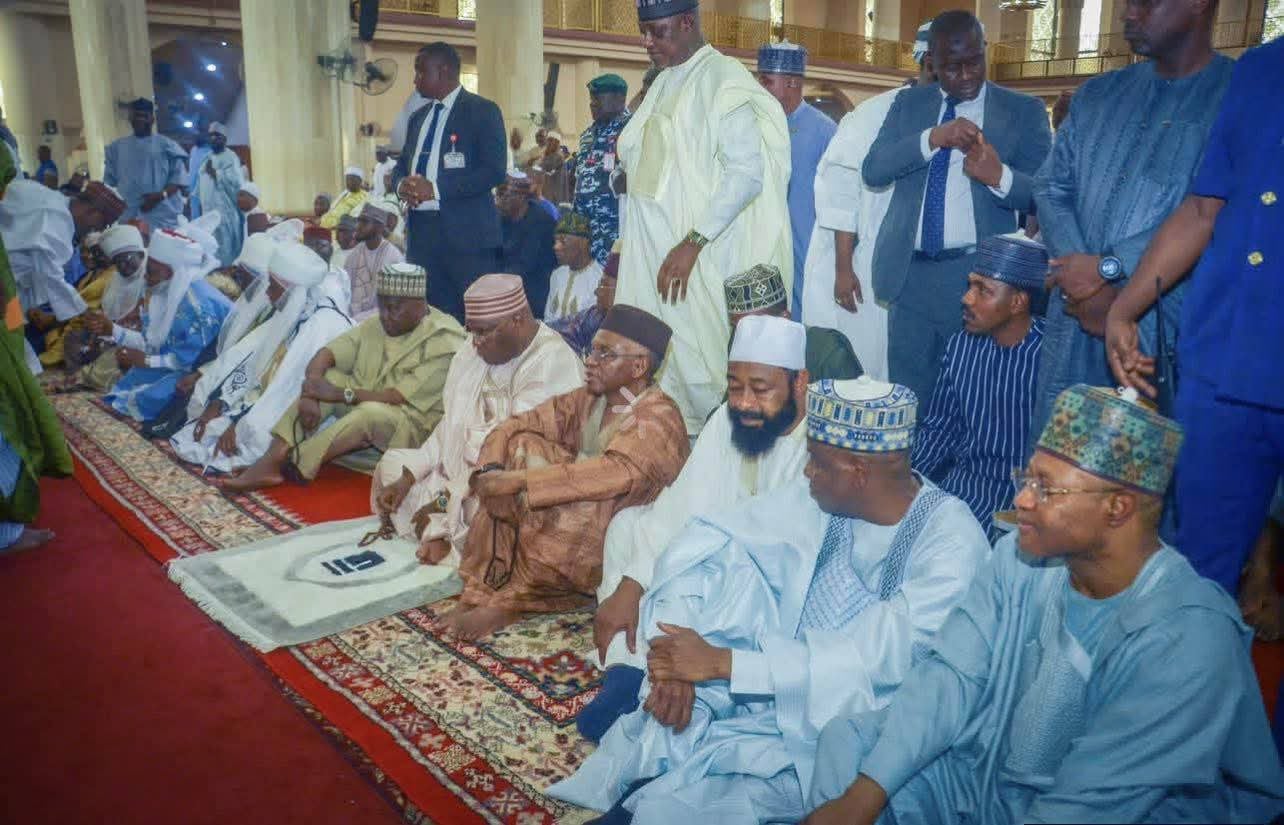
However, the February 20 date drew sharp criticism from Muslim groups and political stakeholders who argued that it coincided with the holy month of Ramadan, projected to run from February 7 to March 8, 2027.
For many observers, the controversy quickly transformed from a scheduling matter into a broader debate about inclusivity, religious sensitivity and voter participation in a multi-faith nation.
Over the weekend, there were indications that lawmakers were considering February 13 as a compromise date to address concerns raised by Muslim faithful who frowned at the idea of voting during fasting.
But fresh information obtained by The PUNCH indicated that consultations between INEC and the National Assembly leadership had produced a more drastic option, moving the polls into January.
If adopted, the January 16 date would make the 2027 presidential election one of the earliest in Nigeria’s Fourth Republic calendar, effectively compressing campaign timelines and administrative preparations.
Emergency plenary
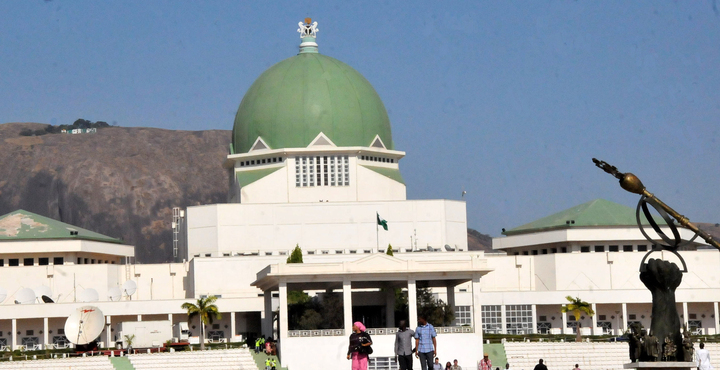
The National Assembly had on Sunday announced that it would reconvene plenary on Tuesday, February 17, 2026, cutting short its recess amid what it described as the need to take “very crucial decisions.”
In a notice signed by the Clerk to the National Assembly, Kamoru Ogunlana, senators and members of the House of Representatives were directed to resume sitting at 11:00 a.m.
“I am directed to inform all Distinguished Senators and Honourable Members of the National Assembly that the Senate and House of Representatives shall reconvene Plenary session at 11:00 am on Tuesday, 17th February 2026, respectively,” the notice read.
“Consequently, all Distinguished Senators and Honourable Members are kindly requested to take note and reschedule their engagements accordingly to enable them attend the session, as very crucial decisions shall be taken by each Chamber during the session,” Ogunlana added.
While the official communication did not specify the agenda, insiders told The PUNCH that the reconsideration of the 2027 election timetable was the primary trigger for the abrupt resumption.
“It is more of an extraordinary plenary session to review the 2027 presidential election date as stipulated in the Electoral Act amendment.
“That is why our recess has been cut short through the announcement made by the Clerk of the National Assembly,” a senator confided earlier.
Another Senate source had disclosed that “If all goes according to plan, the presidential poll date may be brought forward to February 13 from the previously announced February 20 by INEC.”
The latest proposal, however, appears to have gone further, with January 16 now emerging as the frontrunner.
Electoral bill harmonisation suspended
Meanwhile, the much-anticipated meeting of the Senate and House of Representatives conference committees to harmonise differences in the Electoral Act Amendment Bill has been put on hold.
The joint committee had been scheduled to meet on Monday, February 16, to reconcile contentious provisions in the versions passed by both chambers.
But members confirmed that the emergency plenary disrupted the timetable.
“The meeting is put on hold until after the sitting of both chambers tomorrow,” Sada Soli, a member of the House conference committee representing Jibia/Kaita Federal Constituency of Katsina State, said.
Another member of the committee and Deputy Chairman of the House Committee on Appropriation, Iduma Igariwey, also confirmed the postponement.
“It is not holding because of the emergency National Assembly meeting scheduled for tomorrow,” the Ebonyi lawmaker said when asked if the harmonisation meeting would proceed as planned.
A senator familiar with the development added, “It has been suspended for now until we finish tomorrow’s (today) emergency meeting. It is only then that we can decide on the next move and a new date for the conference committee.”
The suspension suggests that lawmakers may first settle the politically sensitive issue of election dates before finalising other amendments, including provisions on electronic transmission of results and dispute resolution timelines.
INEC’s balancing act
INEC had earlier acknowledged public concerns over the February 20 date and hinted that it could seek legislative intervention if necessary.
In a statement issued last Friday by the National Commissioner and Chairman of the Information and Voter Education Committee, Mohammed Haruna, the commission said the timetable was initially drawn in strict compliance with constitutional and statutory requirements.
“Notwithstanding the foregoing, the commission has taken due notice of concerns expressed by stakeholders regarding the coincidence of the scheduled dates with certain nationally recognised holidays and observances.
“The commission wishes to assure the public that it remains sensitive to all legitimate concerns that may impact electoral participation and the overall conduct of elections.
“In view of these representations, the commission is currently undertaking consultations and may, where necessary, seek appropriate legislative intervention to address the concerns raised, while ensuring that any adjustment remains consistent with constitutional and statutory requirements,” the statement read.
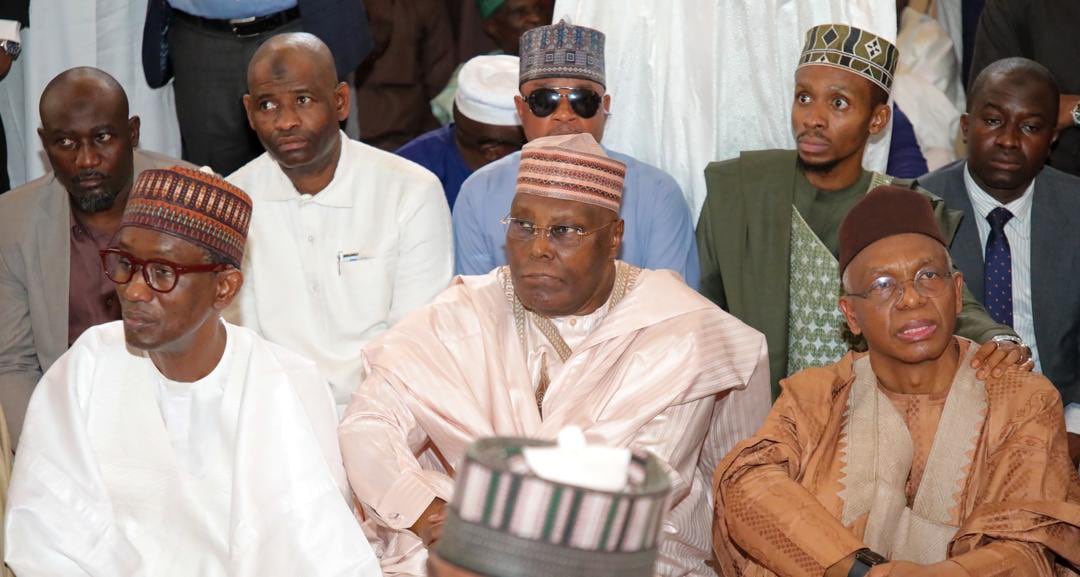
The statement followed calls by several stakeholders, including former Vice President Atiku Abubakar, who wrote on his official X handle that the February 20 date falls “squarely within the Ramadan period (February 7 – March 8, 2027), a sacred season of fasting, reflection, and spiritual devotion for millions of Nigerian Muslims.”
Former presidential aide Bashir Ahmad also urged INEC to reconsider the dates.
“If the intention is to encourage full and inclusive participation in the electoral process, scheduling such a critical national exercise during Ramadan may present challenges for a large segment of the population.
“Many Muslims tend to reduce engagement in demanding worldly activities during this period to focus on religious obligations.
“Given the significant Muslim population in this country, it may be worthwhile to reconsider the timing to ensure broader participation and convenience for all citizens. I do hope this observation will be taken in the spirit of inclusiveness and national cohesion,” he wrote.
Technology debate deepens
The date controversy comes on the heels of intense debate over the electronic transmission of results in the Electoral Act Amendment Bill.
Last week, the Senate approved electronic transmission of results to INEC’s Result Viewing Portal but stopped short of making real-time uploads compulsory, retaining manual collation as a backup.
Defending the decision, Senate Leader Opeyemi Bamidele cited infrastructural challenges.
“By global standards, the real-time electronic transmission of election results may not be practicable at this stage of our development.
“To avoid a situation that compounds our country’s woes, we should make it discretionary since Section 62(2) of the Electoral Act, 2022 has already established the National Electronic Register of Election Results,” he said.
On power supply, he added, “Even though our generation capacity hovers roughly between 12,000 and 13,500 megawatts, our distribution and transmission capacity is acutely limited. As we all know, it can only deliver 4,500 megawatts to households nationwide.
“But with the Electricity Act, 2025, our power sector will record significant growth from this financial year.”
Bamidele insisted that “The data speak directly to the stark realities of our federation and not emotion or sentiment.”
The decision to shift the 2027 presidential poll, if ratified, could significantly alter the political calculations of parties and aspirants.
Campaign timelines would be shortened, party primaries may be brought forward, and INEC would need to recalibrate its logistics, procurement and training schedules.
Analysts say the move could enhance voter participation among Muslims and reduce the risk of low turnout in northern states, where Ramadan observance is intense.
However, the compressed schedule may also test INEC’s administrative capacity and the readiness of political parties to mobilise nationwide structures earlier than anticipated.
Beyond dates, lawmakers are also considering broader reforms aimed at concluding election petitions before inauguration on May 29, 2027.
Earlier proposals included conducting elections at least 185 days before the expiration of incumbents’ tenure and shortening timelines for tribunal and appellate decisions.
As plenary resumes under extraordinary circumstances, the convergence of religious considerations, technological limitations and constitutional mandates has placed the National Assembly and INEC at the centre of one of the most consequential electoral recalibrations in recent history.
A Senate source told The PUNCH, “This session is crucial. It is about more than dates; it is about ensuring that every Nigerian, regardless of faith, has a fair opportunity to participate in the electoral process. The decisions we take here could define the credibility of the 2027 elections.”