Connect with us

Business

Blackout fears grow over gas plant maintenance

Published

on

Seven power plants across Nigeria are expected to experience gas supply constraints as Seplat Energy shuts down a major facility for scheduled maintenance, raising fears of potential electricity shortfalls and looming blackouts, the Nigerian Independent System Operator has warned.

In a notice issued on Thursday, NISO alerted electricity market participants and consumers that the maintenance, slated for February 12 to 15, 2026, would temporarily reduce gas availability to some thermal power plants. The system operator emphasised that critical national infrastructure and essential services would be prioritised should load management measures be required during the period.

Power stations projected to be directly affected include Egbin, Azura, Sapele, and Transcorp Power Plants, while NDPHC Sapele, Olorunsogo, and Omotosho plants are likely to experience indirect constraints due to network-wide gas balancing effects.

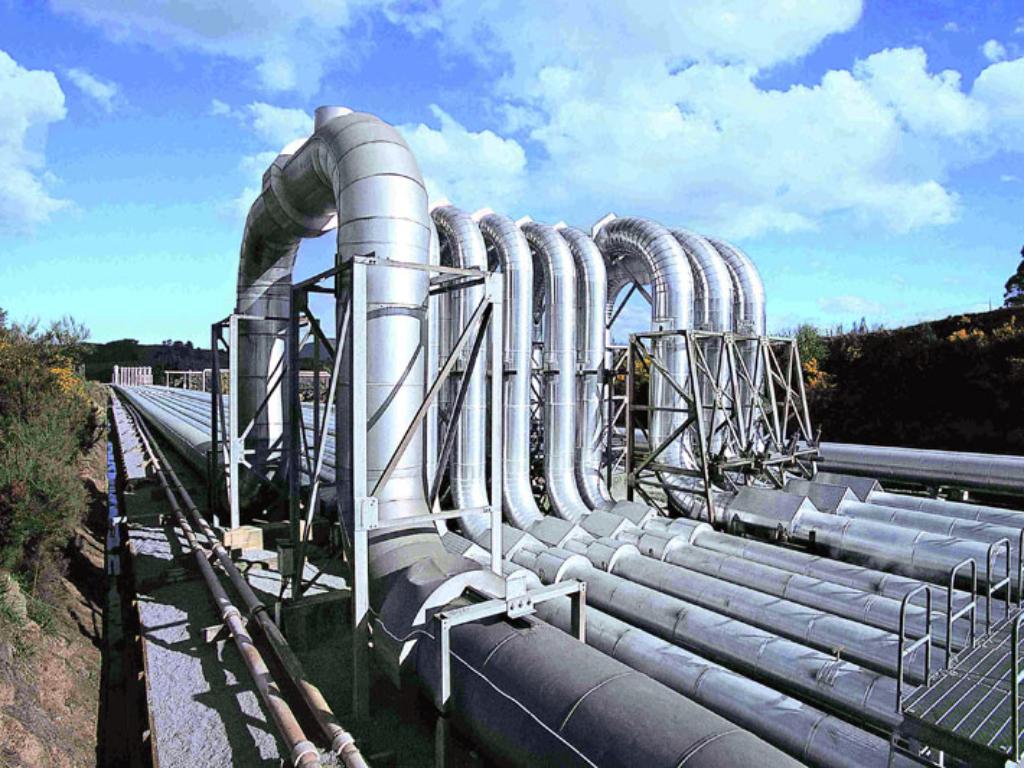
The planned maintenance affects gas supply into the NNPC Gas Infrastructure Company Limited (NGIC) pipeline network and is expected to temporarily reduce thermal generation capacity on the national grid. At least seven power stations are projected to face direct and indirect constraints during the exercise.

In a separate press statement issued by NISO management and the Chief Corporate Communications Officer of NNPC Ltd, Andy Odeh, the system operator confirmed that gas availability to seven grid-connected power plants would be curtailed during the four-day exercise.

Earlier assessments by NISO indicate that the maintenance could result in a generation shortfall of about 934.96 megawatts, representing roughly 19.67 per cent of the combined available thermal and hydro generation capacity of 4,753.10MW on the grid.

The notice read in part: “The Nigerian Independent System Operator hereby informs the general public and all electricity market participants of anticipated gas supply constraints affecting some major thermal power generating stations connected to the national grid.

“This situation arises from a formal notification received on the scheduled maintenance shutdown of a major gas supply facility from 12 to 15 February 2026 (both days inclusive). Full gas supply is expected to be restored on 16 February 2026.

See also  Union Bank completes merger with Titan Trust Bank

“During the maintenance period, gas availability to certain power plants that depend on this supply network will be temporarily reduced. This will result in a temporary reduction in available thermal generation capacity across the national grid. This reduction underscores the need for careful system operation to maintain grid stability and reliability.”

NISO, which recently assumed the role of independent system operator under Nigeria’s restructured electricity market framework, said it would deploy real-time operational measures to preserve grid integrity throughout the maintenance window.

“In line with its statutory mandate, NISO will deploy appropriate real-time operational measures to safeguard the integrity and security of the national grid throughout the maintenance window,” the statement added.

“Any load shedding, if required, will be implemented in a structured, transparent, and equitable manner in close coordination with distribution companies. Priority will be accorded to critical national infrastructure, essential services, and security installations,” it emphasised.

The operator assured stakeholders that all decisions taken during the period would follow established grid security and reliability standards. “NISO assures all stakeholders and electricity consumers that every action taken during this period will be strictly guided by established operational procedures, grid security requirements, and reliability standards.

“The National Control Centre will intensify real-time system monitoring and contingency planning, while also ensuring fair load allocation based on available generation capacity,” the statement added.

Nigeria’s electricity grid remains heavily dependent on thermal power plants, which account for over 70 per cent of installed generation capacity and run primarily on natural gas supplied through pipelines and upstream processing facilities concentrated in the Niger Delta.

While Nigeria has abundant gas reserves—the largest in Africa—persistent supply bottlenecks, pipeline vandalism, payment arrears, and infrastructure maintenance have repeatedly disrupted electricity generation.

Industry data show that even when installed capacity exceeds 13,000MW, actual available generation often hovers between 4,000MW and 5,000MW due to gas shortages, transmission constraints, and plant outages.

See also  FG rolls out new plans to tackle food shortage

Egbin, for instance, remains the largest single thermal power station in Nigeria with an installed capacity of 1,320MW. Azura-Edo contributes 461MW, while Transcorp’s Ughelli plant has over 900MW installed capacity. Any reduction in gas supply to these facilities typically has an immediate ripple effect across the national grid.

In a related statement titled “Notice of Scheduled Maintenance on Major Gas Plant and Facilities,” the Nigerian National Petroleum Company Limited confirmed the routine maintenance on its gas production facilities from February 12 to 15.

Seplat, a joint venture partner of NNPC Ltd and a key supplier of gas into the NGIC pipeline network, described the exercise as part of standard safety and asset integrity protocols.

“The public is hereby informed that Seplat Energy Plc, a Joint Venture partner of NNPC Ltd and a key supplier of gas into the NNPC Gas Infrastructure Company Limited pipeline network, has scheduled routine maintenance on its gas production facilities from 12th to 15th February 2026.

“This planned activity forms part of standard industry safety and asset integrity protocols designed to ensure the continued reliability, efficiency, and safe operation of critical gas infrastructure. Periodic maintenance of this nature is essential to sustain optimal system performance, strengthen operational resilience, and minimise the risk of unplanned outages,” the statement said.

The company acknowledged that the maintenance would temporarily reduce gas supply into the NGIC network, with possible knock-on effects on electricity generation.

“During the four-day maintenance period, there will be a temporary reduction in gas supply into the NGIC pipeline network. As a result, some power generation companies reliant on this supply may experience reduced gas availability, which could modestly impact electricity generation levels within the timeframe,” it added.

NNPC Ltd and Seplat said they were working to ensure the exercise is completed as scheduled, while mitigation measures are being put in place. “NNPC Ltd and Seplat Energy are working closely to ensure that the maintenance is executed safely and completed as scheduled.

See also  Nigerian Kobo and Naira Coins (1991–1993 Series): A Glimpse into Monetary Heritage (PHOTOS)

In parallel, NNPC Gas Marketing Limited is engaging alternative gas suppliers to mitigate anticipated supply gaps and maintain stability across the network. Upon completion of the maintenance exercise, full gas supply into the NGIC system is expected to resume promptly, enabling affected power generation companies to return to normal operations.”

The Executive Director of PowerUp Nigeria, Mr Adetayo Adegbemle, faulted the handling of the planned maintenance, describing it as evidence of poor long-term planning in the power sector. Reacting to the announcement of anticipated gas constraints, Adegbemle said the development reflects a systemic failure to build buffers into critical infrastructure planning.

“This announcement shows our inability to plan ahead. Nothing says we should not have storage facilities that would hold us for days while this maintenance is being done,” he said. He argued that with better foresight, the impact of routine maintenance on electricity generation could be significantly reduced.

“I want to believe it is just our Nigerian way of approaching all issues that is accounting for this. We really need to change our thinking and approach to issues. We need to chase excellence in all we do,” Adegbemle added. He stressed that as Nigeria continues to depend heavily on gas-fired power plants, investments in gas storage and strategic reserves would help shield electricity consumers from avoidable supply shocks during scheduled maintenance or unexpected disruptions.

For millions of Nigerians, however, the technical language of “gas balancing effects” and “maintenance windows” may translate simply into darker homes, noisier generators, and higher fuel expenses over the four-day period.

As the country pushes reforms under the Electricity Act and seeks to attract investment into generation and gas infrastructure, the latest development reinforces a recurring lesson: Nigeria’s power stability remains inseparably tied to the reliability of its gas supply chain.

punch.ng

FOLLOW US ON:

FACEBOOK

TWITTER

PINTEREST

TIKTOK

YOUTUBE

LINKEDIN

TUMBLR

INSTAGRAM

Continue Reading
Click to comment

Leave a Reply

Your email address will not be published. Required fields are marked *

Business

UBA revamps agency, merchant banking services

Published

on

The United Bank for Africa Plc has introduced a new Aggregator Sales Structure for its RedPay POS and Agency Banking Network, aiming to strengthen its relationships with partners and promote greater financial inclusion throughout Nigeria.

The newly launched multi-benefit structure was unveiled at the inaugural UBA Aggregator Engagement Session, held at the bank’s head office in Lagos on Tuesday. The session, themed ‘POS-itive Impact: Connecting Agents, Merchants, and Customers’, served as a collaborative platform to align strategies for scaling the UBAMONI Agency Banking ecosystem and bringing together key industry aggregators, Point-of-Sale partners, and network managers.

UBA’s Executive Director Designate, Digital Banking, Emmanuel Lamptey, who spoke at the event, said, “Today’s session marks a pivotal step in our collective journey to democratise financial access in Nigeria.

By bringing together our valued aggregators and partners, we are strengthening the ecosystem that connects UBA directly to communities and ensuring that reliable financial services are within everyone’s reach.”

Emphasising the need for partnerships, UBA’s Head of Digital Banking, Shamsideen Fashola, who presented the keynote address, outlined the strategic imperative behind the new structure.

“Our aggregators are fundamental to realising our ambition of building Africa’s most impactful digital collections network. This structured framework is designed to be scalable, transparent, and mutually rewarding, empowering our partners with the technology and support needed to drive agent productivity as well as serve underserved communities effectively,” Fashola noted.

The lender said that the platform delivers comprehensive value to agents and aggregators alike, featuring instant settlement, reliable transaction processing, real-time dashboard reporting, and a full suite of services, including dispute and terminal management, analytics, card withdrawals, bill payments, and pay-with-transfer.

See also  FG rolls out new plans to tackle food shortage

For aggregators specifically, the model provides a structured opportunity to onboard and manage agents within UBA’s network and access attractive incentives and commissions, as well as leverage a dedicated Aggregator Admin Portal for real-time visibility into agent performance and transactions.

Adetunji Iyiola, UBA’s Head of Agency Banking, highlighted the customer-focused nature of the initiative, saying the new structure significantly enhances collaboration between UBA, its merchants, and agents.

“This rollout is about creating superior value for every stakeholder and enabling better service delivery to customers while ensuring our partners have the tools and incentives to thrive. It reinforces our promise to deliver essential banking services exactly where they are needed most,” he said.

With the introduction of the aggregator framework, UBA further cements its leadership in pioneering innovative digital financial solutions that bridge the inclusion gap and drive economic empowerment across the African continent.

Continue Reading

Business

Technology key to implementing new tax laws – Adedeji

Published

on

The Executive Chairman of the Nigerian Revenue Service, Zacch Adedeji, says technology is a crucial factor in the implementation of the new tax laws.

Adedeji made the statement on Wednesday during the inaugural convocation lecture at the Federal Polytechnic, Ayede, in Ogo-Oluwa Local Government Area, Oyo State, titled “The Role of Technology in Implementing Nigeria’s New Tax Laws: Challenges, Prospects, and Implications for National Development”.

In a statement by his Technical Assistant on Print Media, Sikiru Akinola, the NRS chairman listed some of the most fundamental challenges confronting taxation to include infrastructure, skills, trust and resistance.

He said each of these challenges would be addressed with the imminent upgrading of the country’s tax system for a digital environment: “Nigeria has recently enacted a new set of tax laws, representing the most significant restructuring of our nation’s fiscal legislation in 50 years. While public conversation often frames these changes as legal reforms, and that is true, it is also an incomplete picture.

“These laws are not merely changing rates, definitions, or administrative powers. They are quietly redefining how authority operates within the tax system. This is a complete structural overhaul, signalling the end of tax collection as a manual task and the beginning of tax intelligence. If you read the new laws carefully, you will notice a subtle but profound assumption woven throughout their fabric. They presuppose the existence of reliable taxpayer identification, integrated data across institutions, traceable transactions, automated processes, and scalable enforcement.

“In other words, these laws are built for a digital environment. They cannot function properly in a manual, fragmented, paper-based system. The implication is clear: without technology, the laws remain aspirational. With technology, they become operational. This transition is central to the mandate of the Nigeria Revenue Service as we implement this new legal framework. Historically, tax administration relied heavily on human discretion over who was registered, who was assessed, who was audited, and who was penalised. While discretion is not inherently evil, excessive discretion creates inconsistency, which in turn breeds mistrust and drives non-compliance.”

See also  Macleans Toothpaste: From 1919 British Innovation to a Nigerian Household Name

Speaking further, Adedeji noted that when infrastructure improves, capacity grows, trust is protected, and resistance is managed just as technology begins to do what policy alone cannot.

“One of the most important prospects of a technology-driven tax administration is the ability to expand the tax base without increasing tax rates. This matters deeply in a society where citizens already feel overburdened.

“By improving visibility and bringing previously unseen economic activity into view, technology levels the playing field. When compliance broadens, the pressure on the existing base reduces, fairness improves, and legitimacy grows. This is how modern tax systems grow revenue sustainably,” he added.

In his remark, the Speaker of the House of Representatives, Tajudeen Abbas, encouraged the graduating students to be good ambassadors of the institution.

Abass, who was represented by the senator representing Oyo North, AbdulFatai Buhari, charged them not to relent in their efforts to acquire more knowledge.

The institution’s governing council chair, Yakubu Datti, commended Adedeji for leading the re-engineering of Nigeria’s tax architecture.

The Rector of the institution, Dr Taofeek Abdul-Hameed, charged the graduating students to emulate Adedeji, who, he said, began his journey from a polytechnic.

punch.ng

FOLLOW US ON:

FACEBOOK

TWITTER

PINTEREST

TIKTOK

YOUTUBE

LINKEDIN

TUMBLR

INSTAGRAM

Continue Reading

Business

CCB quizzes OSOPADEC leadership over alleged N463m misappropriation

Published

on

The Code of Conduct Bureau on Wednesday quizzed the leadership of the Ondo State Oil Producing Areas Development Commission over alleged misappropriation of funds belonging to the commission to the tune of N463m.

Those invited by the CCB included the secretary of the commission, Mrs Abike Bayo-Ilawole, and two other directors.

Bayo-Ilawole, who was among the public servants recently promoted to the position of permanent secretary in the state, was alleged to have been involved in the misappropriation of about N463m in the commission a few weeks ago.

She was specifically accused of diverting part of the money to a private bank account.

Speaking with journalists after being questioned by CCB officials at the bureau’s office in Akure, Ondo State, on Wednesday, Bayo-Ilawole said she was invited over allegations of fund misappropriation but maintained that she was innocent.

She said, “I was invited by the Code of Conduct over alleged fund misappropriation. We just started the investigation. The allegation is about N463m. I told them nothing of such happened, and the record will speak for itself.”

On the allegation of diverting money to a personal account, she said, “I said the record will speak for itself. It is not true. The one they quoted, that money was sent to my father’s account, was for a long-term project.

“My father was a contractor then, and it was not up to that amount. But the record will speak for itself, as I said.

“The two officers whose names were mentioned supervised other colleagues. It could be their allowances or what they needed to spend on the project.

See also  Hardship: Nigerian-used car market booms as more owners sell off private vehicles

“They should allow me to go through the records so we can separate the issues and know what actually transpired. One major thing is that the fund was not released at once; it was over a period of time.

“We have projects such as school renovations, transformers and office renovations. Our areas are riverine, so we move around for supervision.

“We are not talking about missing funds. The projects were completed. We followed the necessary procedures before executing the projects.”

She insisted that she had documents to back her official dealings in the commission, reiterating that “the record will speak for itself.”

Also speaking, the Director of Project Planning and Development at OSOPADEC, Mr Olukorede Adeshina-Oladapo, said he was invited over an allegation circulating on social media.

He said, “What was on social media was not correctly presented.

“In the office, we got approval from the governor to carry out direct labour jobs. We had 21 school renovation projects, renovation of the area office, construction of culverts in Atijere and renovation of an office complex. Those transactions were done through direct labour.

“We have a procurement committee. Other management staff were involved, and records of meetings were kept. We reported to the Office of the Director of Public Prosecutions, which benchmarked the project requests.

“It was not only the 21 projects approved by the governor, but we selected those that were urgent and could be attended to immediately. Those were the ones executed.

“Before we proceeded, after the governor’s approval, we requested a ‘no objection’ from the appropriate office, and it was granted.

See also  See how Dangote refinery and marketers fuel deal crashed

“As we complete the projects, we also apply for certificates of completion. Some of the projects have been completed, while funds for others are still in the account. No fund is missing.”

Continue Reading

Trending