








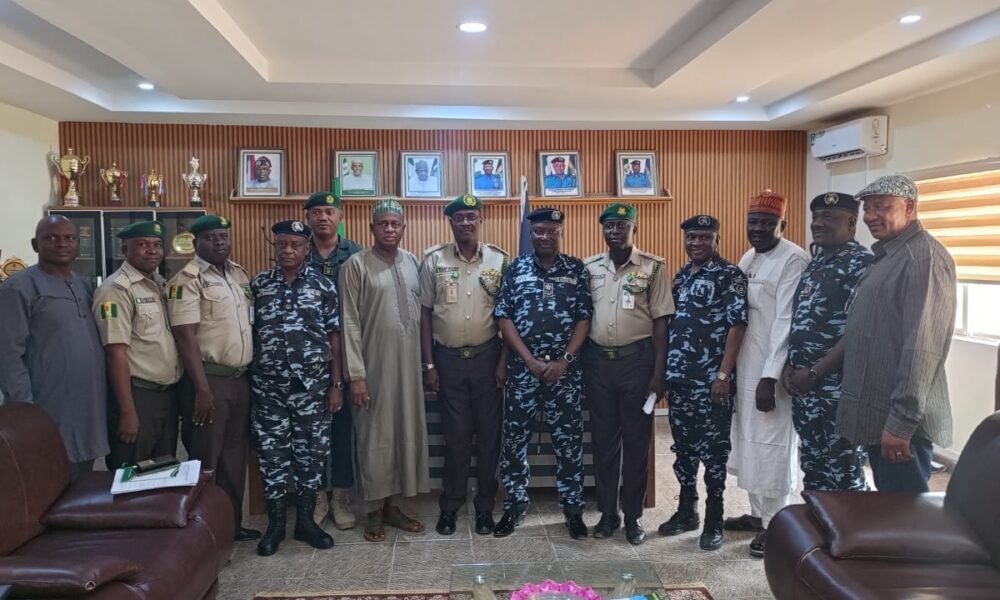

Top officials from the Nigeria Police, Jigawa State Command, Nigerian Correctional Service and the Standards Organisation of Nigeria met to strengthen their partnership, following a courtesy...
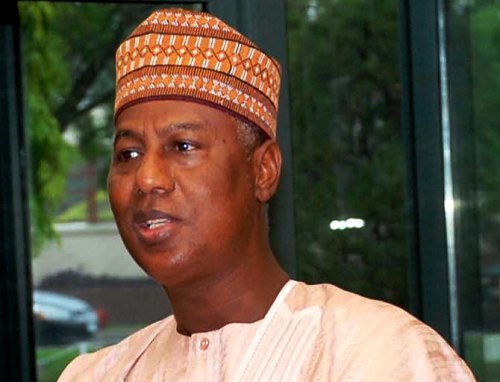

Kebbi’s political map shifted on Tuesday as Alhaji Lawali Dakingari, a prominent PDP chieftain and former governorship aspirant, led a massive wave of defections. The defection...
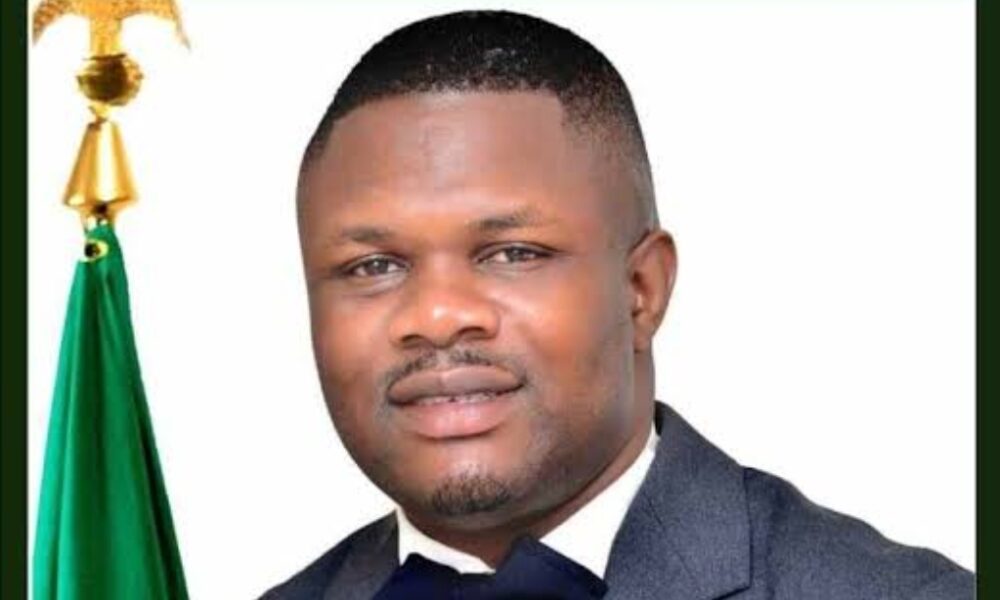

The family of Collins Aigbogun, a former Special Adviser on Youth Mobilisation to Edo State Governor Monday Okpebholo, on Tuesday expressed deep concern over his continued...

The Police Special Fraud Unit has cautioned intending travellers to strictly adhere to due process when applying for travel visas. Speaking in an interview with the...
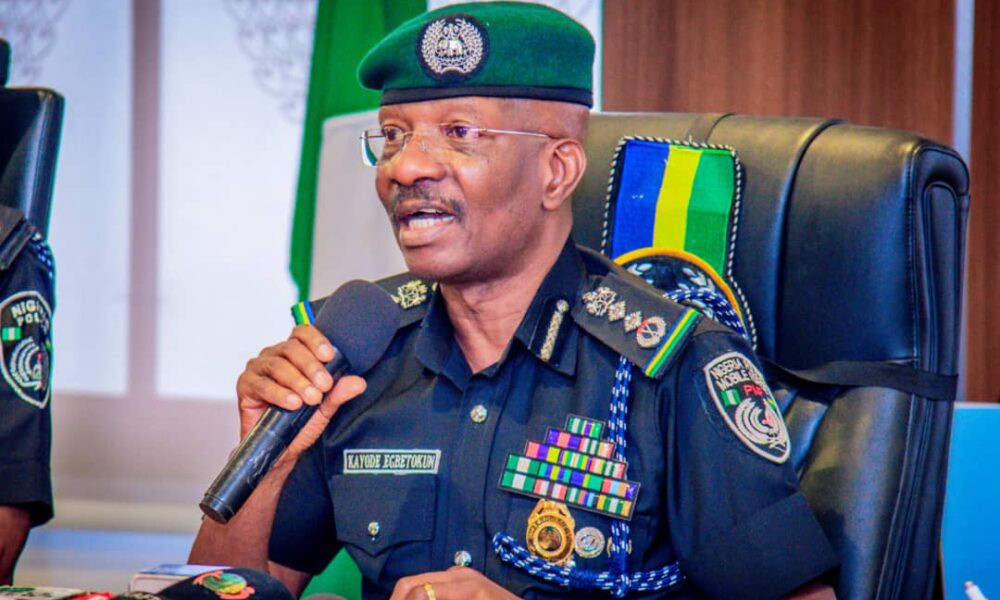

The Inspector-General of Police, Kayode Egbetokun, has said that access to affordable housing is critical to improving the welfare, morale and productivity of officers of the...
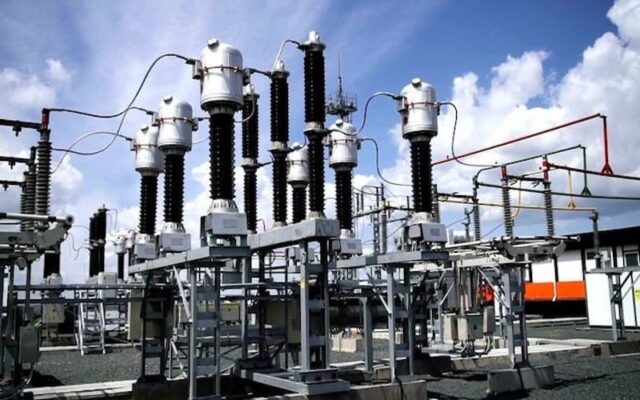

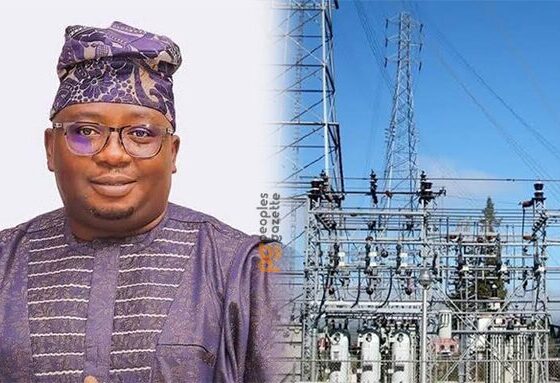
The national electricity grid experienced a voltage disturbance originating from the Gombe Transmission Substation on Tuesday morning, the Nigerian Independent System Operator has confirmed, clarifying that...


The Federal Government has taken steps towards resolving Nigeria’s estimated N4tn power sector debt burden as five power generation companies signed settlement agreements under the Presidential...
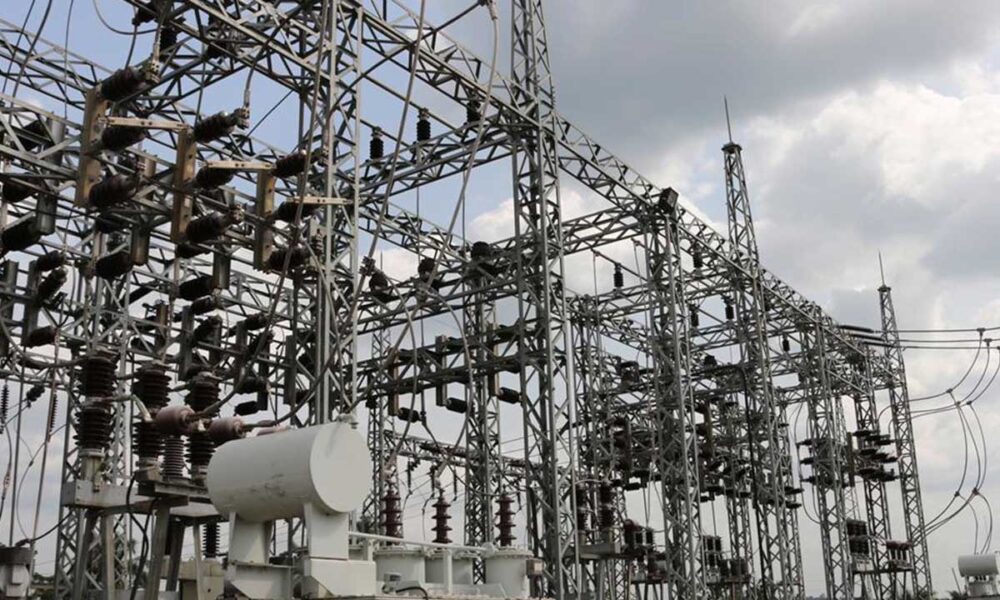

Concerns are rising that incessant grid collapse cases may be returning to Nigeria’s power sector, as Nigerians experienced three incidents in less than a month. Electricity...
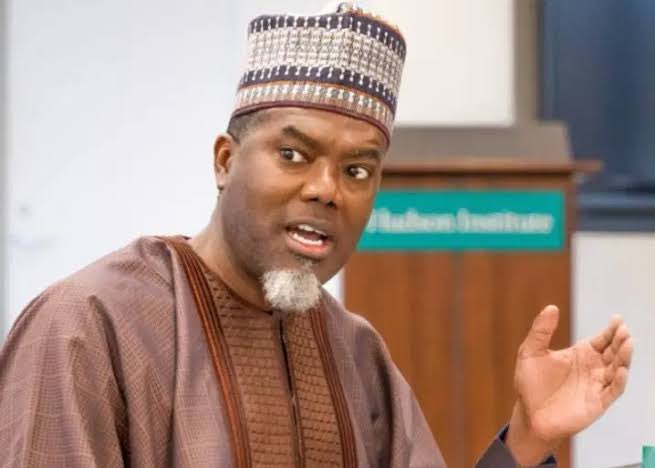
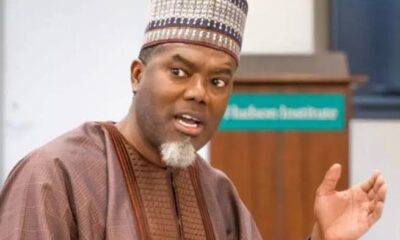

A former presidential aide, Reno Omokri, has responded to comments made during the ongoing trial of activist and former presidential candidate, Omoyele Sowore, following questions raised...
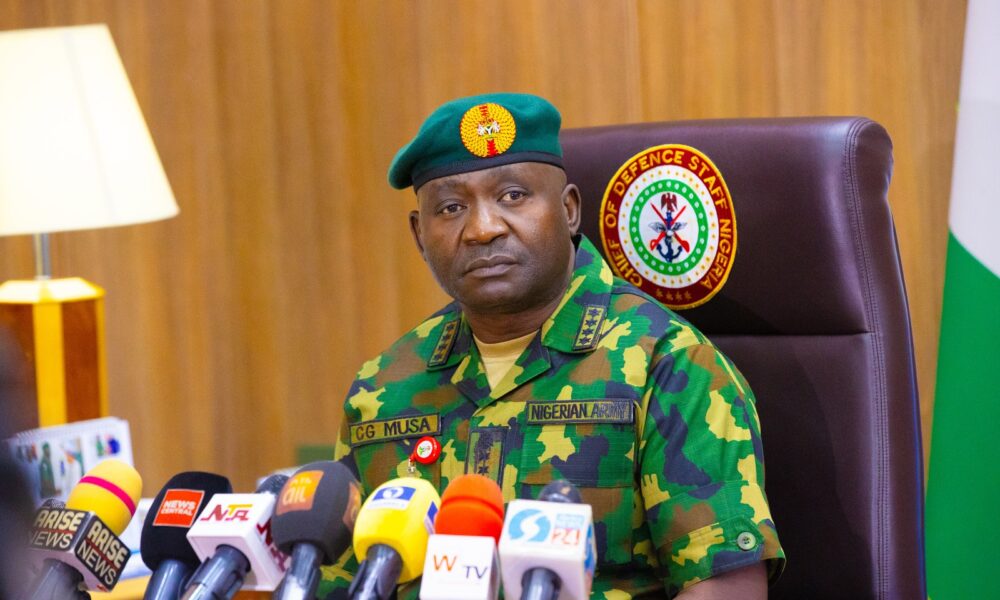

The Federal Government has unveiled plans to deploy military veterans to help secure Nigeria’s ungoverned spaces as part of strategies to strengthen national security and drive...