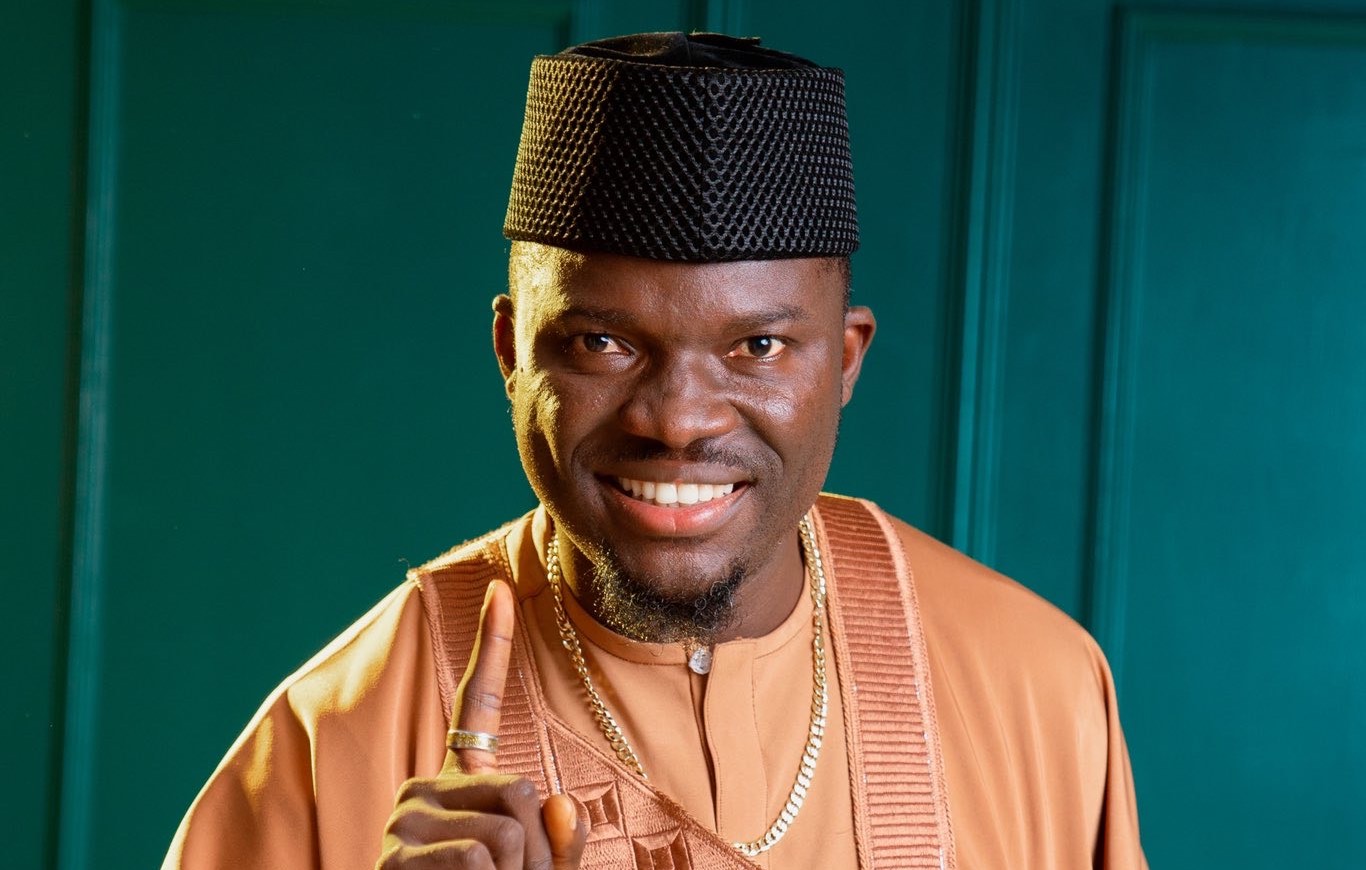
Content creator, Kevin Arua, popularly known for his character as Governor Amuneke, has 433,000 followers on Instagram. He tells Faith Ajayi how he got into content creation
Tell us a bit about your educational background.
I had my primary education at Christ the King Primary School in Ovoko, Enugu State. For secondary school, I started at Ovoko Boys Secondary School and completed it at UNICEF Secondary School. It was meant to be a government-sponsored school, but politics got in the way and it ended up being privately managed. After writing my West Africa Senior Secondary Examination, I gained admission into the Institute of Management and Technology, Enugu, where I obtained a National Diploma in Science Laboratory Technology, and later my Higher National Diploma in Physics Electronics.
What were your early interests before comedy came into the picture, and when did you start using social media?
I have always had a lot of interests. Growing up, I was drawn to science and invention; I genuinely thought I’d become a scientist. But I was also naturally funny and loved performing, drawing and acting. In secondary school, I used to perform at the assembly ground, and later in IMT, I was the Director of Socials. Even though I never saw entertainment as a career at the time, it was always part of me.
By my final year in school, I had started painting and selling artworks on the street to support myself. After graduation, I moved to Ibadan for my National Youth Service Corps scheme, and joined a skill acquisition programme in cinematography and video editing. I was already recording short videos and posting occasionally on WhatsApp, but I wasn’t familiar with Instagram yet.
After the three-week orientation camp, I got a job in Lagos through a friend; it was my first proper media job. I was the cameraman, editor, sometimes even the scriptwriter. The company was owned by a man who believed in a one-man business model, which meant I got to learn practically everything. That experience sharpened my production skills.
During my time there, I created a comedy series called ‘Oga Landlord’, which we posted on the company’s YouTube page. Later, I opened my own comedy page and started uploading my content on both. When the company stopped funding production, I focused on my own projects, shooting during weekends while working a 9–5.
My first major character was Chief Amuneke, created around 2018 or 2019. I was determined to grow my Facebook page before focusing on Instagram, which felt slower at the time. Then one of my videos got reposted by Tunde Ednut, and that was the turning point. I realised this was what I truly wanted to do.
Before that, I was shooting music videos, hoping to become the next Clarence Peters. But after my video went viral, I decided to take content creation seriously and challenged myself to post five videos a week. Things picked up quickly. When the COVID-19 pandemic hit, work paused, and I doubled down on content creation.
Eventually, I lost my job, but my online platforms started paying off. By 2021, Facebook monetised my page, and that became my full-time focus.
Can you explain the timeline from when you worked in media to when you started your own productions?
I worked in media for about three years; from 2017 to 2020. But even before leaving, I was already shooting my own videos. Since 2021, I have been running my productions full-time. Many people know me now as Governor Amuneke, but long before that, I was already creating content, earning from Facebook, and living comfortably. So, while Governor Amuneke brought more visibility, I had been in the industry for years before then.
What inspired your type of content?
Honestly, I’d say it was divine. I believe God sees people’s hearts. I am not calling myself an activist, but my passion for change definitely shaped this path.
The turning point came during my wedding in Nsukka, Enugu. Many of my friends couldn’t attend because of insecurity in the area. I was heartbroken seeing the fear people had, and the videos of violence that were circulating. It made me question what I was really doing with my platform. Was it just about making people laugh or could I also use it for awareness?
So, I made a video addressing the governor politely, drawing attention to the killings. Instead of responding to the situation, the government dismissed the reports as propaganda and even started arresting people for posting about it. That made me realise how risky speaking up could be, so I decided to channel my message through comedy instead.
That’s how the Governor Amuneke character was born. I started creating skits where leaders downplayed serious issues—like confusing citizens for “senior citizens” (cows)—to mirror real situations in Nigeria and across Africa. The goal wasn’t just to entertain but to spark conversations about leadership, accountability, and empathy.
It began around June or July of this year. I noticed people were engaging with those videos more deeply than my usual content, so I leaned fully into it. I rebranded from Chief Amuneke to Governor Amuneke, and that’s where we are today; using humour to tell hard truths.
Would it be right to say that your ideas for Governor Amuneke come from personal experience?
Yes, exactly.
What kind of content resonates most with your audience?
Right now, anything political tends to connect deeply with my audience. Whenever my content touches on politics or governance, people engage with it more. They relate because it mirrors real issues that affect their daily lives.
Since you began creating content, what are some challenges you’ve faced, and how have you managed them?
Honestly, I cannot say I have had major challenges. If you look at my background, I’ve done almost everything myself — shooting, editing, and producing. I’ve been a one-man squad for so long that now, with a team around me, things come easier. When I need to shoot, I make a call and people show up. So, for now, I wouldn’t say I’m facing any significant challenges.
Collaboration is a big part of content creation. What role does it play in your craft?
Collaboration is very important. It helps you reach new audiences, because every creator has their own fan base. When you collaborate with someone, their fans check out your work too. It helps you gain more followers and strengthens your fan base.
I also prefer collaborating with creators whose content aligns with mine; people who can deliver messages with depth. For instance, when I worked with Eedris Abdulkareem, it was powerful because he’s known for speaking out against bad governance. Having him add his voice gave more weight to the message. So, collaboration not only boosts visibility but also amplifies the purpose behind the content.
Beyond laughter, what message do you want people to take away from your content?
My goal is to open people’s eyes to what’s really happening in government; to act as a kind of watchdog. I want people to see leaders for who they truly are, not who they pretend to be. Through comedy, I highlight issues like fake commissioning, empty promises, corruption, and mismanagement. It’s about awareness; making people laugh but also think.
Have you ever experienced creative burnout or online backlash?
Not really. Of course, there will always be a few negative comments here and there. Sometimes, they come from people being tribalistic or defensive about who the joke points to. Occasionally, you sense that some of the backlash might even come from people connected to those being criticised. But it’s never been anything major or damaging. I focus on the positive feedback and keep creating.
What’s been the most rewarding moment of your career so far?
Money is great, especially when the buzz is high, but the most fulfilling part is seeing the genuine happiness and appreciation from people. When people stop me to say, “You’re doing great; you’re speaking for us,” that’s priceless. Knowing my work brings both laughter and awareness; that’s the real reward.
How has your family reacted to your career choice?
My family is proud of the path I’ve chosen. I approach my work responsibly. I don’t mention names or attack individuals directly, and they appreciate that. They’ve been in full support from day one.
Who has been your biggest cheerleader behind the scenes?
My team and the close people I work with. They motivate me and keep me grounded.
Where do you see your brand in the next five years?
I see it going international; producing powerful films on global platforms like Netflix or whatever the next big thing is. I want to be one of the world’s most recognised satirical creators and producers, using storytelling to spotlight social and political issues.
Do you have plans to transition into other areas of entertainment?
Definitely. My YouTube series will soon be out, featuring movies that go beyond politics to include life lessons and relatable stories. I am not into stand-up comedy, but I enjoy stage performance and plan to produce some live shows as well.
What’s one dream collaboration you’re still hoping to achieve?
It’s hard to find people who create exactly the kind of satirical content I do, but I have a list of actors and filmmakers I’d like to work with in other genres.
Internationally, I’d love to collaborate with Hollywood producers to create original films that reflect the political challenges we face here. I don’t have specific names yet, but when the time comes, I’ll know.
How do you unwind when you’re not creating content?
I love talking to friends and family. Conversations with people who make me happy are my best way to relax and learn. Honestly, my life revolves around content; even when I’m resting, I’m jotting ideas, taking notes, or editing for fun. But I also make time to play games, and just hang out.
How do you stay grounded?
I don’t dwell on being popular. I live my normal life until someone recognises me in public. I haven’t reached that point where I can’t walk freely, so I don’t feel pressured. It’s mostly just love from fans; people offering to pay for stuff or showing appreciation. It’s all positive energy.
How does it feel to have your work recognised through awards?
It’s fulfilling. Awards remind me of how far I’ve come, but also that there’s still more to do. I don’t see them as an endpoint but as motivation to keep working harder and impacting lives through my craft.
If you could give one piece of advice to upcoming creators, what would it be?
Start with what you have and stay original. Don’t wait until everything is perfect. Nobody knows what will trend or resonate; just create. Build relationships, keep your reputation clean, and remain consistent. The space is big enough for everyone, and consistency will always open more doors than promises ever will.
punch.ng
FOLLOW US ON: