Connect with us

Crime

Herdsmen killed my husband while he dredged sand – Enugu widow

Published

on

Twenty-seven-year-old Nkiruka Okeke, a mother of four, recounts to Grace Edema how her husband, Oluzuluike, was stabbed to death by suspected herdsmen while working near a stream in Obuovia community, Enugu State

What do you do for a living?

I sell okpa (a local delicacy made from Bambara nuts) along the Enugu expressway.

Where exactly do you live?

I live in Onoli community, also along the expressway in Enugu. It’s a small community where many people survive through petty trading, farming, and sand-dredging jobs. That’s where I lived with my husband.

How old was your husband before his death?

He was 33 years old. He did manual labour, mostly dredging and packing sand from streams or riversides for building purposes. He would take the sand to the roadside for buyers. It was hard work, but that was how he provided for our family.

Can you tell us what really happened to him?

Everything happened so suddenly. On Friday, October 3, he woke up early, and we spoke. He told me to prepare the children for school before leaving for work. I didn’t know that would be the last time I’d ever see him alive.

Not long after he left, a man ran to our house shouting my name, asking me to hurry. He said my husband had been taken to the hospital. I was confused and terrified. When I asked what happened, he said my husband was stabbed by herdsmen.

I ran straight to the hospital and saw my husband lying there. He managed to speak briefly and said, “The herdsmen stabbed me in the chest.” Those were his last words. After that, he couldn’t speak again.

The doctors said he needed to be transferred immediately to the University Teaching Hospital, but before morning, he died. That’s how I lost him.

Did you see the injury yourself?

Yes, I did. He was stabbed in the chest. That was the only wound on his body; there were no other injuries.

Did the herdsmen take anything from him?

No. His phone, bag, and work tools were all found where he usually worked. My husband was very careful. He kept his bag and money safely hidden whenever he worked. He only carried his shovel and basin when digging sand.

How did people find out he had been attacked?

After being stabbed, my husband managed to run to the roadside. He met a man who sells gas near the expressway and begged for help. He told the man that he was stabbed by herdsmen. That was all he could say before collapsing. The man quickly rushed him to the hospital.

See also  Police top list as ICPC uncovers 908 ghost workers

By the time I arrived, he was still alive but very weak. He looked at me, repeated those words about the herdsmen, and then fell silent.

What time of day did the attack happen?

According to the doctor and witnesses, it happened around 1 p.m. He had eaten at a canteen near the expressway before going to work. The attack happened at Obuovia, near a stream where he usually worked.

It’s not a public stream for fetching water; it’s mostly surrounded by farmlands and not deep inside the bush. People go there to wash, fetch water for farm work, or bathe before going home. It’s close to the expressway and not far from where people live. That’s why I still don’t understand how nobody saw the attackers clearly that day.

Did your husband usually work alone?

Most times, yes. That was his usual spot. Some passersby knew him and often greeted him. That Friday, they saw him earlier in the day but later heard what had happened. The place isn’t far from where people farm or walk to the market.

Was he involved in any argument with anyone before the attack?

No, never. My husband was a peaceful man. He didn’t fight with anyone. If he had, maybe his body would have shown signs of struggle. But the only wound he had was the stab to his chest.

Do you think this attack was planned?

I don’t know. Sometimes I feel maybe they had been targeting him. That place is open, and people pass by often. Maybe they were hiding and waiting to attack someone. I just don’t know. But I believe God sees everything.

How would you describe your husband as a person?

He was kind and hardworking. He struggled every day to feed us. Even when we had nothing, he remained a good man. Losing him like this is unbearably painful.

Late Mr Okeke

You mentioned that you have four children. How old are they?

Yes, I have four children; three boys and one girl. My first child, a girl, is eight years old. My second, a boy, is seven. The third is four, and the youngest is three years and three months old.

How are your children coping emotionally with their father’s death?

It’s not easy. They cry sometimes. My second son is currently unwell; his temperature is high. I took him to the pharmacy, and they gave him an injection, but he’s still weak and not eating much. I want to take him to the hospital, but I don’t have the money right now.

See also  Vietnam returnee k!lled in Abia communal clash

That must be very hard for you. How have you been coping since your husband died?

It’s been extremely tough. I cry every day. Some neighbours bring food or money when they visit, that’s how we’ve been surviving. The children are still small; they don’t understand everything yet, but they know their father is gone.

Just yesterday, my daughter came home from school crying because they were asked to buy new textbooks. I told her to wait and assured her that God would help us.

One of my children’s teachers came with her husband. They spoke kindly to me, saying they understood my situation. But still, I don’t know how I will buy the books or pay their fees now. Everything depends on God.

Has your husband been buried?

Not yet. His body has been taken to his village for burial. The men in our kindred are handling it.

You mentioned that herdsmen have been disturbing the community. Can you tell us more?

Yes, they’ve been troubling us for a long time. They move around the farmlands, and nobody can go there freely. They destroy crops, and when people challenge them, they attack. Even now, everyone is afraid. Many people have stopped farming. If you go there, you might not return.

Have you personally seen them before?

I’ve seen some passing with their cows near the market area, but not the ones in the bush. Those in the bush don’t come out. I’ve only heard stories of them attacking farmers and chasing people away.

Do they allow their cows to eat people’s crops?

Yes, they do. Their cows eat everything: rice, cassava, yams, and even vegetables. Last year, my husband and I planted rice. When it was time to harvest, the cows destroyed everything. All our efforts were wasted. Most people have stopped farming now.

That must have affected your livelihood badly.

Yes, it has. Before, we used to eat from our farm. Now, we have to buy everything from the market. Even to eat, you need money. That’s why my husband continued with the sand-dredging job; it was our only source of income.

What is your community doing about this situation?

See also  Ondo madman stabs Civil Defence officer to death

We have community leaders, but I don’t really know what they are doing. Sometimes they say they’re trying, but nothing changes. These herdsmen are still around. People are afraid to go to the police because they say the herdsmen have powerful backers. I just pray that this ends.

If you could speak directly to the government, what would you say?

I would beg them to come to our rescue. We are dying silently. The government should send security operatives to drive these herdsmen out of our villages. People are hungry, poor, and scared. There’s no safety, no farming, nothing.

The government we have now doesn’t care. All they think about are elections and votes. After you vote for them, they forget you. We are just suffering. Even if you cry, nobody listens. I have lost my husband, and many others are suffering the same pain.

Have you received any help from relatives or friends?

They come to console me, bringing little food or some money. But everyone is struggling. I can’t depend on them. I just keep praying that God will help me raise these children. It’s not easy at all.

What are your hopes for your children’s education?

I want them to go to school. That was my husband’s dream too. Even if I suffer, I will make sure they are educated. I don’t want them to go through what we did. I don’t know how I’ll pay their school fees now, but I believe God will send help.

I will try to persevere. Even if I have no one to depend on, I will keep my faith in God. It’s not easy, but I know He will help me raise my children.

What do you wish for right now?

All I want is justice for my husband and protection for people like us. We are not safe. If the government doesn’t act, more people will die. I also pray that God gives me the strength to take care of my children. I have no one else; my hope is in God alone.

Sometimes, I sit and wonder where to begin: school fees, food, rent, everything. It’s overwhelming. But I know God will not forsake me. I just pray this never happens to another woman. My husband did not deserve to die like that. He only went out to work to provide for his family.

punch.ng

FOLLOW US ON:

FACEBOOK

TWITTER

PINTEREST

TIKTOK

YOUTUBE

LINKEDIN

TUMBLR

INSTAGRAM

Continue Reading
Click to comment

Leave a Reply

Your email address will not be published. Required fields are marked *

Crime

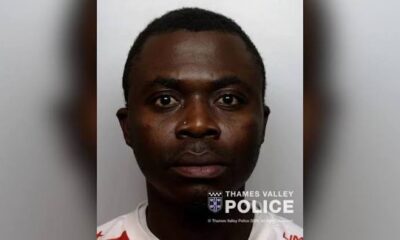
Nigerian man, Goodness Sokoh, jailed 21 years in UK over offenses involving minors lured on Snapchat

Published

on

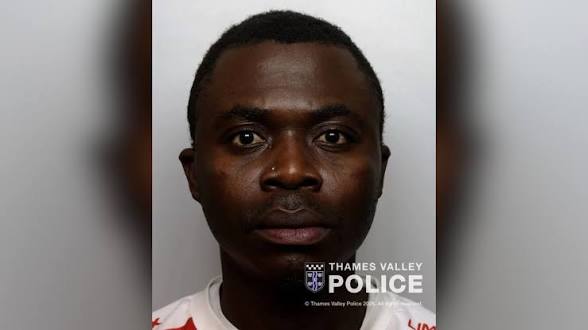
A UK court has sentenced a 35-year-old Nigerian national, Goodness Sokoh, to 21 years in prison following a comprehensive investigation into online grooming and multiple child safety offences.

Sokoh, residing in Leighton Buzzard, Bedfordshire, utilized a social media application under an alias to communicate with four teenage girls between October and December 2025, subsequently luring them into his vehicle by offering incentives.

According to the Thames Valley Police, the physical meetings took place in Pitstone, Buckinghamshire. Following a full trial, Sokoh was found guilty of multiple counts of serious felony assault, unlawful exploitation, and endangering minors.

During the sentencing proceeding at Amersham Law Court, Judge Catherine Tulk strongly condemned the convict’s actions, telling Sokoh: “You were grooming them so that they would trust you and put themselves into danger. You thought you could do with them whatever you wanted. Not one of them wanted to have any activity with you.”

Judge Tulk added that his actions were “clear evidence of grooming” and that he had “exploited their age and vulnerability”.

The court also heard statements from the victims’ families detailing the profound psychological and emotional distress the ordeal caused the teenagers, including severe anxiety, disruption to their education, and a loss of personal safety.

Sokoh was initially apprehended by law enforcement on December 17, 2025. Under the terms of the judicial ruling, he must serve at least two-thirds of his 21-year custodial sentence before becoming eligible for parole. Additionally, the court placed him permanently on the register of offenders and issued a lifetime restraining order prohibiting any contact with the victims.

See also  PHOTOS: Suspects arrested as Delta police dismantle cult k!lling network linked to violent clashes in Ughelli town

Investigating officer Detective Constable Natalie Palmer of the Child Abuse Investigation Unit praised the young victims, stating: “I would like to thank the victims for the strength, courage and resilience they have shown throughout this lengthy investigation and trial. Throughout the process, the girls demonstrated incredible bravery. Despite everything they had experienced, they remained committed to helping the investigation and seeking justice. While I know this outcome does not mark the end of their journey, I hope it brings some reassurance that their voices have been heard and that they have been listened to by the criminal justice system.”

Authorities have emphasized their ongoing commitment to tackling violence against women and girls, while urging anyone with additional information relevant to the case to contact local law enforcement agencies.

FOLLOW US ON:

FACEBOOK

WHATSAPP CHANNEL

TWITTER

PINTEREST

TIKTOK

YOUTUBE

LINKEDIN

INSTAGRAM

Continue Reading

Crime

Police charge FUOYE VC, two others with cybercrime

Published

on

The Nigeria Police Force has filed cybercrime charges against the Vice-Chancellor of the Federal University, Oye-Ekiti (FUOYE), Prof. Joshua Ogunwole, and two others over the alleged unlawful interception of a woman’s telephone and computer network.

PUNCH Metro learned from a charge sheet seen on Wednesday that Mufutau Ibrahim and Tajudeen Opoola are the other defendants.

The charges, filed by the Inspector-General of Police on behalf of the Federal Republic of Nigeria before the Federal High Court in Lagos, accused the defendants of conspiring to unlawfully intercept computer data belonging to Dr Adeola Kehinde without authorisation.

According to the charge sheet dated October 2 and signed by a prosecuting counsel of the Directorate of Legal Services, NPF-NCCC, the alleged offences occurred on August 23, 2026, at the university in Ekiti State.

In the first count, the defendants were accused of conspiring “with intent and without authorisation, to unlawfully intercept the transmission of Dr Adeola Kehinde’s computer data and its content.”

The second count accused them of intentionally and without authorisation using technical means to “unlawfully intercept the transmission of Dr Adeola Kehinde’s computer data and its content” from her computer network.

In the third count, the defendants were accused of causing the modification of data held in Kehinde’s computer system or network “with intent and without lawful authority.”

The alleged offences were said to be contrary to Sections 27(1)(b), 12(1) and 16(1) of the Cybercrimes (Prohibition, Prevention, Etc.) Act, 2015, as amended in 2024.

In another count, the defendants were accused of acting “in abuse of your office” and committing an “arbitrary act prejudicial to the rights of Dr Adeola Kehinde” by allegedly intercepting her telephone and computer network without lawful authority.

See also  Vietnam returnee k!lled in Abia communal clash

The charge sheet stated that the alleged act was punishable under Section 104 of the Criminal Code Act, Cap C38, Laws of the Federation of Nigeria, 2004.

The charge document did not indicate the date of arraignment or the defendants’ pleas to the allegations.

Source: punchng.com

FOLLOW US ON:

FACEBOOK

WHATSAPP CHANNEL

TWITTER

PINTEREST

TIKTOK

YOUTUBE

LINKEDIN

INSTAGRAM

Continue Reading

Crime

US official reveals how Mexican cartels are turning Nigeria into meth hub, read details

Published

on

The United States has warned that Mexican drug cartels are increasingly looking to Africa as an alternative route for trafficking synthetic drugs, after the National Drug Law Enforcement Agency dismantled four methamphetamine laboratories in Nigeria this year.

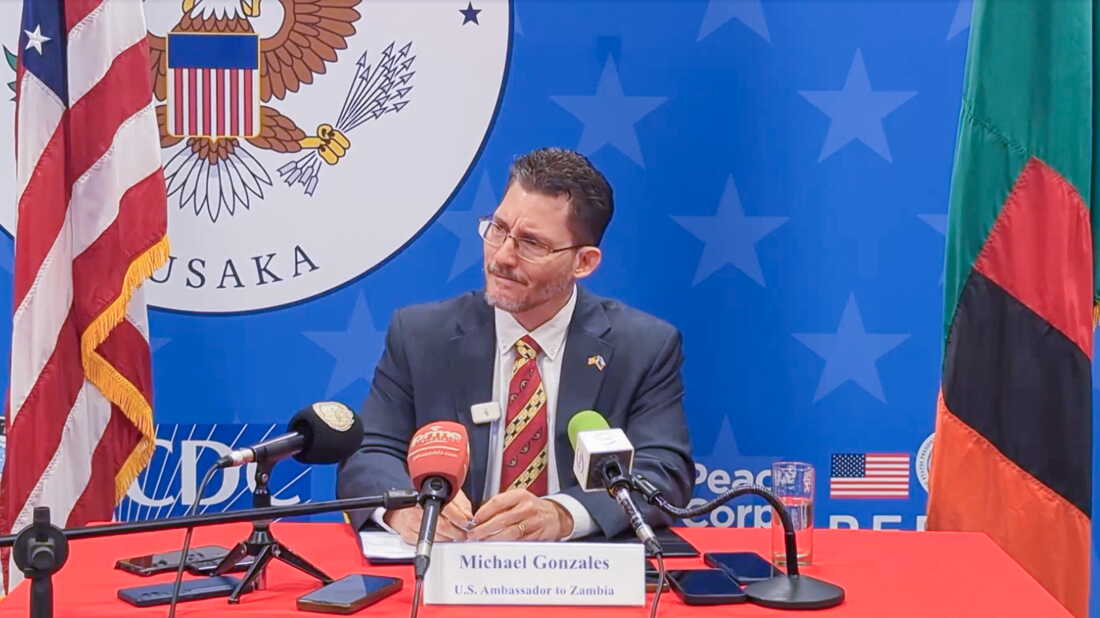
The US Deputy Assistant Secretary of State for International Narcotics and Law Enforcement Affairs for Africa and the Middle East, Michael Gonzales, said the operations demonstrated the importance of Nigeria’s counter-narcotics campaign to both countries, as Washington intensifies pressure on cartels operating in the Western Hemisphere.

Gonzales spoke on Tuesday during a visit to the NDLEA headquarters in Abuja, where he commended the agency for its operational successes and said he chose Nigeria as his first visit after assuming office because of the country’s strategic importance and the NDLEA’s record.

“I became the Deputy Assistant Secretary of State for International Narcotics and Law Enforcement just four months ago, covering all countries of Africa and the Middle East. And when I was thinking where it makes the most sense to visit first, Nigeria was a clear answer.

“Because as a leader, as an economic powerhouse on the continent, but also particularly NDLEA for the leadership and the impressive wins that you and your team and your interagency counterparts have delivered time and again.

“In addition to the very robust partnership between INL and NDLEA, I wanted to see firsthand where the magic happens, as we say in the United States,” he said.

Gonzales specifically cited the four methamphetamine laboratory busts recorded by the NDLEA this year as evidence of the agency’s use of intelligence-led investigations, inter-agency cooperation, operational coordination and prosecution.

“The four meth lab busts just this year alone are a testament to the deployment of some of the best practices in our tradecraft, the intelligence-based knowledge collection, the coordination across national lines and agency lines, the operational excellence that goes into the actual bust, and then the interrogations, the investigations and prosecutions.

See also  PHOTOS: Lagos Widow Arrested For Using Fake Pregnancy Belly To Traffic Cocaine, Dispatch Riders Caught Delivering Drugs In Abuja

“They’re all so critical because ultimately counter-narcotics work, the work that each of us does day in and day out, truly delivers for the people,” he said.

The US official said the significance of the operations extended beyond Nigeria, arguing that the international nature of the narcotics trade meant that successful interdiction in Nigeria could have consequences for drug markets in other parts of the world.

“When I am talking to American audiences in the United States, I tell them there’s virtually no other issue of foreign policy that so tangibly affects the lives of every community, virtually every family across our country, than narcotics.

“And the reality of the narcotics trade is international. It knows no boundaries, very few constraints. And so, the work that INL does in the United States and globally and the work that NDLEA does fundamentally delivers for the Nigerian people, for the American people,” Gonzales said.

He added that the United States had more than four decades of experience supporting counter-narcotics operations around the world, including through training and equipment, and warned that changes in trafficking patterns required countries to work together against criminal networks.

He said intense US pressure on cartels in the Western Hemisphere was effectively “squeezing a balloon,” forcing traffickers to seek alternative routes through Africa to reach markets in Europe and beyond.

The official also pointed to the growing shift from plant-based narcotics to synthetic drugs, which he described as harder to detect and potentially deadlier, saying the response must target criminal organisations as interconnected networks, including their financial flows.

Marwa, in his response, said the NDLEA’s recent operations had uncovered what he described as a deliberate attempt by Mexican cartels to establish Nigeria as a manufacturing base for methamphetamine.

“Crime has no borders, and neither does the threat. The drugs we seize, the arms we intercept and the terrorist financing we trace are not separate problems.

See also  Police top list as ICPC uncovers 908 ghost workers

“When we seize narcotics and illicit weapons in the same operations and along the same routes, we are looking at the convergence of crime. Drug money buys guns, guns sustain armed groups, and armed groups sustain terrorism.

“Terrorism has no borders. What festers in the Sahel and the Lake Chad Basin does not stay there, and what is trafficked through West Africa does not stop at our coastline,” the NDLEA chairman said.

Marwa then detailed the operations against the laboratories, beginning with the largest clandestine methamphetamine laboratory ever discovered by the agency in Nigeria.

“The Mexican cartel threat is real, and we are confronting it.

“In recent months, NDLEA operatives dismantled the largest clandestine methamphetamine laboratory ever discovered in Nigeria, in a forest in Ijebu East, Ogun State, where we arrested three Mexican meth experts and their Nigerian collaborators right in the forest where illicit substances worth over $360 million US dollars were recovered.

“Barely four weeks later, we raided another industrial-scale laboratory at Tapa Village in neighbouring Oyo State and arrested a Mexican methamphetamine expert, brought in for large-scale synthesis, together with four Nigerian collaborators.

“We have since dismantled a similar facility in Enugu State and another in Ebonyi State, South-East Nigeria, all linked to the Mexican cartels. These were not isolated incidents. They show a deliberate attempt to turn Nigeria into a manufacturing hub,” he said.

Marwa said the implications of the laboratories went beyond the Nigerian market, arguing that the cartels were seeking routes through West Africa to move methamphetamine to international markets.

“Let me be plain about why this matters to Washington. These cartels are not setting up in our forests to supply Nigerian consumers alone. They want a West African corridor to ship industrial quantities of methamphetamine to Europe, to Asia, and to American cities.

See also  Police arrest three kidnappers over ₦6.9m ransom, victim’s murder

“Especially taking into consideration the President Trump hammer that is smashing cartel traffic en route to America. These cartels are now seeking alternative routes to get to the same America,” he said.

He added, “Every meth-producing laboratory that we shut down is a supply line that never reaches an American street, and every cartel operative we arrest is one fewer in the pipeline.


“Our forensic chemists, our investigators and our tactical teams are, in effect, forward defence for communities in the United States.”

Marwa said the US partnership had strengthened the NDLEA’s capabilities in forensic and chemical analysis, professional training, investigations, financial-crime detection and equipment maintenance.

He said the support had contributed to the agency’s recent operational results, including the arrest of 96,157 drug offenders, among them 250 drug barons, and the seizure of more than 15.8 million kilogrammes of assorted illicit drugs in the last five years.

He added that 16,691 drug traffickers, including kingpins, had been convicted during the period.

Marwa, however, warned that withdrawing US support could create a gap that criminal and terrorist networks would exploit, and appealed to Gonzales to convey to Washington the need to sustain or increase its assistance.

“This great partnership has fueled our offensives that yielded the arrest of 96,157 drug offenders including 250 drug barons, the seizure of over 15.8 million kilograms of assorted illicit drugs and conviction of 16,691 drug traffickers including the kingpins, in the last five years,” he said.

He urged the US to maintain its support “as it is, if not increased,” arguing that criminal networks already operated across national boundaries.

“Traffickers, arms dealers and terrorists cooperate across borders every day, and governments confronting them must do the same,” Marwa said.

Source: punchng.com

FOLLOW US ON:

FACEBOOK

WHATSAPP CHANNEL

TWITTER

PINTEREST

TIKTOK

YOUTUBE

LINKEDIN

INSTAGRAM

Continue Reading

Trending