




Nigeria is seeking $78.5bn in private capital to finance 65 projects across critical sectors of the economy, as the Federal Government steps up efforts to attract investors, expand productive capacity and create jobs.
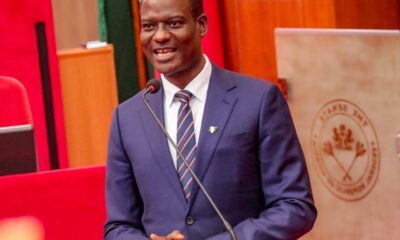
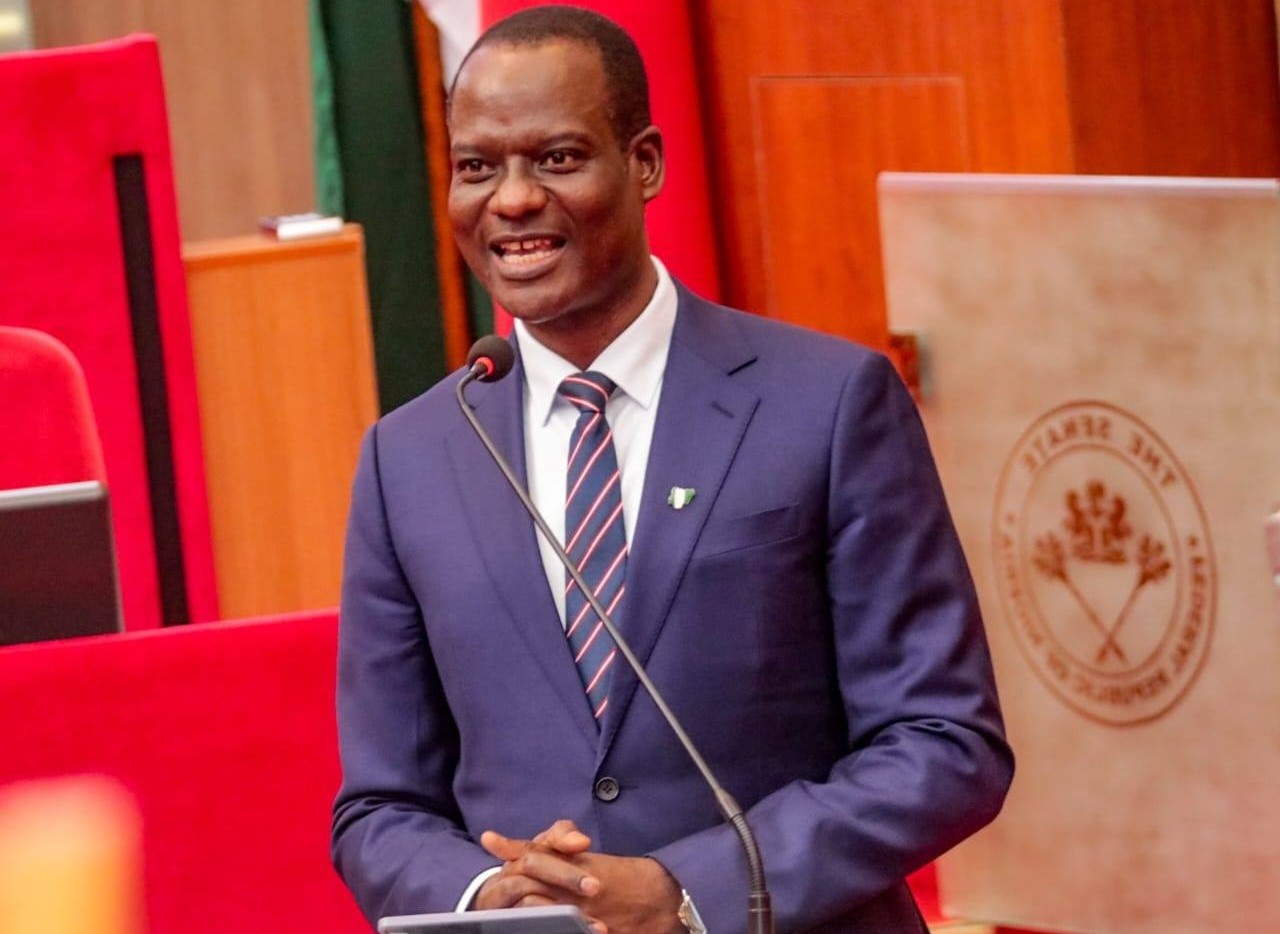
The investment opportunities were presented by Finance Minister and Coordinating Minister of the Economy, Taiwo Oyedele, alongside Central Bank of Nigeria Governor, Olayemi Cardoso, at the ongoing IMF-World Bank Annual Meetings in Bangkok.
The projects cover oil and gas, electricity, manufacturing, mining, transportation, agriculture, technology, healthcare and urban development, according to details published on the Federal Ministry of Finance’s Projects Nigeria investment portal.
The government estimates that the proposed investments could generate 366,763 jobs, positioning the initiative as part of its efforts to stimulate economic growth through private-sector financing.
Oyedele said the government had established a dedicated Nigeria Deal Room to provide prospective investors with project information, financing requirements and direct access to relevant government authorities.
The energy sector accounts for the largest share of the investment pipeline, with 25 projects requiring funding, while industry, manufacturing and mining account for another 17.
Transport and maritime infrastructure have eight projects, while agriculture and agro-processing account for six. Technology, healthcare and urban services make up the remaining nine projects.
Among the proposed investments is Project Reliaxx, a crude oil evacuation and midstream infrastructure platform requiring $1.7bn.
The project is expected to address infrastructure needs in the oil industry, where evacuation constraints can affect production and revenue generation.
The proposed Lagos Greenline Railway requires $1.29bn, while the Multipurpose Industrial Platforms Limited ammonia and phosphate fertiliser project has an estimated funding requirement of $2.69bn.
Other opportunities include the $1.25bn Premium Steel and Mines integrated steel upgrade, the $355.6m PELIA Flare-Gas AI Data Centre and a $105m agro-processing and cold-chain export hub in Giri, Abuja.
The proposed New Port City development also features in the portfolio, with an estimated capital requirement of $1.6bn.
Oyedele said the government planned further reforms to address obstacles to investment, including electricity pricing, transmission constraints, weak agricultural productivity and regulatory inefficiencies.
He also identified lower inflation, reduced borrowing costs and better coordination between fiscal and monetary policies as important conditions for sustained economic growth.
The minister highlighted the Economic Development Incentive, which provides tax credits to eligible businesses under Nigeria’s reformed tax framework, as part of the measures intended to encourage investment in productive sectors.
Cardoso, on his part, said reducing inflation remained essential to protecting household purchasing power, particularly among low-income Nigerians.
He also pointed to improvements in Nigeria’s capital market and banking system, noting that banks raised approximately N4.6tn during the recapitalisation exercise, with about 72 per cent of the funds coming from the domestic capital market.
The CBN governor said Nigeria was targeting economic growth of 7 per cent by 2027/2028, alongside higher oil production and increased infrastructure investment.
He said the country planned to raise crude oil production to three million barrels per day and increase its infrastructure stock to 75 per cent of gross domestic product.
Cardoso added that stronger external reserves had improved the country’s capacity to withstand external economic shocks.
“The country plans to raise oil production to three million barrels per day and increase its infrastructure stock to 75 per cent of Gross Domestic Product (GDP),” he said.
The World Bank Group had earlier said it was helping mobilise up to $5.79bn in private financing for Nigeria in fiscal year 2026, with programmes expected to support about 850,000 direct and indirect jobs.
Source: punchng.com
FOLLOW US ON: