Connect with us

Lifestyle

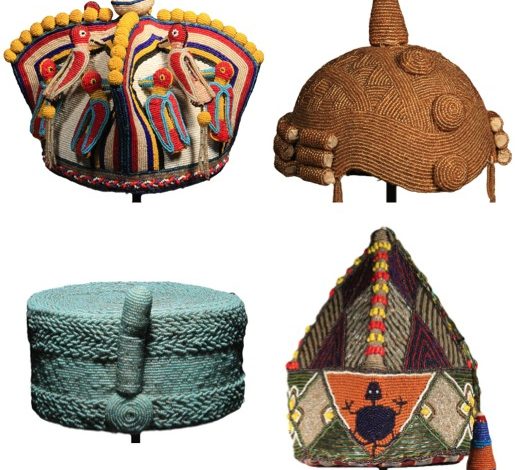
A LIST OF OBAS(KINGS) TRADITIONAL TITLES IN YORUBALAND (IN ALPHABETICAL ORDER)

Published

on

Aala of Ilala
Aale of Okelerin
Aare of Ago-Are
Aare of Sando Ofiki
Abodi of ikale land
Aboro of ibese land
Aboro of Ibooro land
Adeboruwa of Igbogbo
Afaji of Faji
Afonja of Ilorin
Aganmo of ganmo
Agbolu of Agbaje
Agbowu of Ogbaagbaa
Agura of Gbagura
Ajalorun of ife ijebu
Ajalorun of ijebu ife
Ajero of Ijero-Ekiti
Ajoriwin of Irawo
Akaran of Badagry
Akarigbo of Ijebu Remo
Akibio of Ilora
Akinyinwa of Ikinyinwa
Akire of Ikire
Akirun of Ikirun
Akosin of Ekosi
Akosin Of Ekosin
Alaafin of Oyo
Alaagba of Aagba
Alaawe of Awe
Alaaye of Aye
Alaaye of Oke-Ayedun
Alabere of Abere Ede
Alaboto of aboto
Alabudo of abudo
Alada of Ada
Alado of ado awaye
Alado of Ado-Awaye
Alaga of Aga-Olowo
Alagbeye of Agbeye
Alagbole of Agbonle
Alageere of Ago Are,
Alageere of Ofiki
Alagutan of Abegunrin land
Alaigbajo of arigbajo
Alaje of Ilu Aje
Alaje of Ilu-Aje
Alajede of Ijede
Alajinapa of Ajinapa
Alakaka of Akaka – Remo
Alakanran of Araromi
Alake of Egbaland
Alaketu of Ketu
Alakola of Akola
Alala of Ala-isin
Alamodu of Ago-Amodu
Alamonyo of Amonyo
Alana of Oke-ana
Alapa of Okin-Apa
Alaperu of Iperu Remo
Alapomu of Apomu
Alara of Aramoko-Ekiti
Alara of Igbokoda
Alara of Ilara – Remo
Alara of Ilara-Lagos
Alara of Ilara-Mokin
Alaran of Aran orin
Alararomi of Araromi Aperin
Alaremo of Aremo
Alasaba of Asaba
Alase of Ilasa Ekiti
Alasi of Asi
Alatori of Atorin Ilesha
Alawaye of Awaye
Alawe of Ilawe-Ekiti
Alaye of Aiyetoro
Alaye of Efon-Alaye Ekiti
Aláyégún of Ayégún
Alayegun of Ode-Omu
Alepata of Igboho
Alie of Ilie
Alofa of Ilofa
Aloffa of Ilofa
Apetu of Ipetumodu
Aragberi of Iragberi
Aragbiji of Iragbiji
Are of Ire
Aree of Ireeland
Aresa of Iresa (Aresapa of Iresa apa, Aresadu of Iresa Adu)
Aringbajo of Igbajo Ijesa
Arinjale of Ise Ekiti
Asaooni of Ora Igbomina
Asawo of Ayete
Aseyin of Iseyin
Asigangan of Igangan
Asu of Fiditi
Ataoja of Osogbo
Atapara of Iyeku
Attah of Ayiede Ekiti
Awara of Iwara- Iwo
Awara of Iwara-ijesa
Awaraja of Iwaraja
Awujale of Ijebuland
Ayangburen of Ikorodu
Deji of Akure
Deji of Arigidi Akoko
Ebumawe of Ago Iwoye
Ebumawe of Ago-Iwoye
Ẹbùrù of Ibà
Edemorun of Kajola
Ekesin of Ora igbomina
Eledidi of Edidi
Elegboro of Ijebu-Ijesha
Elegusi of Ikate
Eleju of Sanmora
Eleko of Eko
Elekusa of Ekusa
Elekuu of Odo eku-isin
Elepe of Epe
Elerin of Erin Ile
Elerin of Erin-ile
Elerin of Erinmope
Elero of Ilero
Eleruwa of Eruwa
Elesa Of Oke Ode
Elese of Ese Akoko
Elese of Ese Akoko
Elese of Igbaja
Elese of Ilese ijebu
Elesie of Esie
Eleyinpo of Ipapo
Eleyinpo of Ipapo
Ewi of Ado-Ekiti
Gbelepa of Gbelepa
Halu of Ode Aye
Jegun of Idepe
Jegun of Ile-Oluji
Lalupo of Gbagura
Lapoki of Igbolako
Laragunsin of Iyasan
Lumure of Ayeka
Moyegeso of Ijebu itele
Oba of Agboyi land
Oba of Jebba
Obaladi of Afon
Obalufon of Sepeteri
Obaro of Kabba
Obaro of Kabba
Obawara of Iwara-ife
Odemo of Isara
Odemo of Isara – Remo
Odemo of Ishara remo
Ogiyan of Ejigbo
Ogoga of Ikere Ekiti
Ogogo of Ifewara
Ogunsua of Modakeke
Ojomu of Ajiranland
Okere of Saki
Olaogboru Adimula of Ifeodan
Olisa of Imota
Oliyere of Iyere
Oloba of Oba ile
Oloba of Oba Osin
Oloba of Obaile
Oloba of Oba-isin
Oloba of Oba-oke
Oloba of USO land
Olobaagun of Obaagun
Olofa of Ofa
Olofun of Irele
Ologbagi of Ogbagi Akoko
Ologobi of Ogobi Ede
Ologotun of Ogotun-Ekiti
Olohan of Erijiyan Ekiti
Oloja of Epe
Oloja of Ikogosi Ekiti
Olojee of Oje-Owode
Olojoku of Ojoku
Olojudo of Ido Faboro Ekiti
Olojudo of Ido-Ekiti
Olokaka of Okaka
Olokaka of Okaka
Oloko of Ijebu imushin
Oloko of Oko
Olokua of Oku
Olokua of Okua
Olokuku of Okuku
Olokuku of Okuku
Olokuku Of Okuku
Olokusa of Okusa
Ololo of Oolo
Olomu of Omu aran
Olomu of Omupo
Olomun of Omuaran
Olona of Ada
Oloola of Ilara
Oloola of Ilara-Yewa
Olopanda of Oponda
Olopete of Opete
Olopete of Opete
Olopete Of Opete
Olora of Ora-Ekiti
Olore of Ore
Olorile of Orile Ifoland
Oloro Of Oro
Oloro of Oro
Olororuwo of Ororuwo
Oloru of Oru Ijebu
Olosan of Osan Ekiti
Olosi of Osi
Olota of Ota
Oloto of Are
Oloto of Ofiki
Oloto of Oto-Awori
Olowo of Owo
Olowu of Owu
Olowu of Owu-isin
Olowu of Owu-Kuta
Olowu of Telemu
Oloyan of Oyan
Oloyan of Oyan
Oloye of Oye-Ekiti
Oloyopo of Eggi-Oyoipo
Olu ifon of Ifon
Olu of Afowowa Sogaade
Olu of Ilaro
Olu of Ile-Ogbo
Olu of Imasayi
Olu of Itori
Olu of Mushin
Olu of Okeamu
Olu of Owode Ede
Olu of Owode Yewa
Olu of Sawonjo
Olu of Sekona Ede
Oluaso of Iberekodo land
Olubadan of Ibadan
Olubaka of Oka land
Olubara of Ibara
Olubeshe of Ibeshe Lagos
Olubosin of Ifetedo
Oludopo of Okeyapo
Olufi of Gbongan
Olugbo of Ugbo
Olugbon of Orile Igbon
Olugijo of Ogijoland
Olugunwa of Oke Amu
Oluigbo of Igbojaye
Olukoro of Ikoro Ekiti
Olumoro of Moro land
Olunisa of Inisa
Oluof Igbogila
Olu-oje of Ojenpetu Gadumo
Olupako of Shaare
Olupo Ajase-Ipo
Olupo of Ajassepo
Olupole of Ipole Ekiti
Oluresi of lresi
Olusi of Usi
Olusin of Ijara-isin
Olusin of Iji-irin
Olusin of Isanlu Isin
Olute of Ute
Oluware of Iware land
Oluwo of Iwo
Omola of Imala
Oni ilepa of Ilepa ilepa
Oni Irun of Irun Akoko
Onibeju of Ibeju-Lekki
Onibereko of Ibereko
Onidada of Dada
Onidere of Idere
Onidere of Idere
Onidiemin of Idi-emin
Onidigba of Iidigba
Onido of Iddo
Onidofa of Idofa
Onidofa of Idofa
Onidofian of idofian
Onidofin of Idofin
Onifaji of Faji
Onífẹ̀dẹ̀gbó of Fẹ̀dẹ̀gbóland
Onifo of Ifo
Onigando of Igando
Oniganmo of Ganmo
Onigbaja of Igbaja
Onigbamila of gbamila
Onigbaye of Igbaye
Onigbesi of Igbesi
Onigbeti of Igbeti
Onigbin of Oke-onigbin
Onigbope of Igbope
Onijabe of Ijabe
Onijaye of Ijaye
Onijoun of Ijoun
Onika of Ika
Onikereku of Ikereku
Onikogosi of Ikogosi
Onikoko of Koko
Onikole of Ikole kingdom
Onikosi of Ikosi
Onikoyi of Ikoyi
Onilado of Ilado
Onilai of Ilai
Onilala of Lanlate
Onila-odo of Ila-odo
Onilogbo of Ilogbo
Onilua of Ilua
Oniluju of Iluju
Onimaya of maya
Onimeko of Imeko
Onimeri of Imeri
Onimia of Imia
Onipapo of Ipapo
Onipara of Ipara-Remo
Onipopo of Popo
Oniro of Komu
Oniroko of Iroko land
Oniru of Iruland
Onirun of Irun Akoko
Onisaare of Ijannan
Onisaga of Isaga
Onisan of Isan Ekiti
Onisanbo of Ogboro
Onisemi of Isemi
Onisemi of Isemi-Ile
Oniseri of Iseri-Olofin
Onisiwo of Abagbo
Onitabo of Itabo
Onitede of Tede
Onitewure of Tewure
Oniwere of Iwere ile
Oniwere of Iwere-Ile
Oniwo of Odu-ore
Oniwo of Oke-aba
Oniwoye of Iwoye
Oniye of Iye-Ekiti
Onjo of Okeho
Onpetu of Ijeruland
Onpetu-Olojudo of Ife
Ooni of Ile-Ife
Oore of Moba land
Ooye of Iwoye
Orangun of Ila
Oree of Moba land
Oree of Otun Ekiti
Orimolusi of Ijebugbo
Orimolusi of Ijebu-Igbo
Orungberuwa of Ode-Erinje
Osemawe of Ondo
Oshinle of Okeona
Osile of Oke-Ona egba
Osolo of Isolo
Osolu of Irewe
Owa Ale of Ikare
Owa Obokun of Ijesha
Owá of Idanre
Owa of Igbajo
Owa of Ijesaland
Owa of Otan Ayegbaju
Owa Ooye of Okemesi-Ekiti
Owa Oroo of Agbado Ekiti
Owa-akinfin of Ikinfin
Owamiran of Esa-Oke
Owa-Oye of Oke-Imesi Ekiti
Owatapa of Itapa Ekiti
Sabiganna of Igana
Salu of Edunabon
San-o of kogga
Soun of Ogbomoso
Timi of Ede
Add yours if it is not there already.

See also  Rest every four hours, FRSC issues safety guide for fasting motorists

Mayegun Research Team


Continue Reading
Click to comment

Leave a Reply

Your email address will not be published. Required fields are marked *

Lifestyle

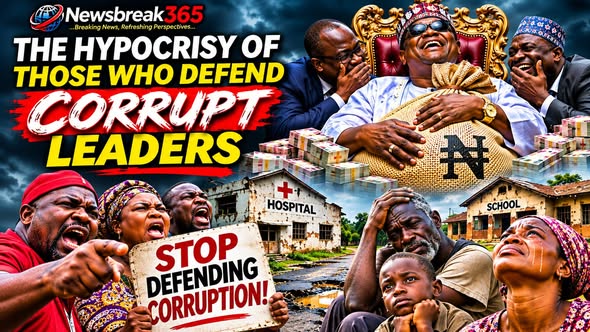
THE HYPOCRISY OF THOSE WHO DEFEND CORRUPT LEADERS: WHEN POLITICAL LOYALTY BECOMES MORE IMPORTANT THAN NATIONAL SURVIVAL

Published

on

A nation does not suffer from corrupt leadership alone; it also suffers from citizens who knowingly defend corruption, manufacture excuses for dishonesty and attack anyone brave enough to demand accountability.**

There is a disturbing sickness spreading through societies where political loyalty has become more important than honesty, justice and the collective well-being of the people. It is the dangerous culture of defending corrupt leaders simply because they belong to one’s political party, ethnic group, religious circle or personal network.

Today, some people have abandoned their conscience at the altar of political loyalty. They see wrongdoing but refuse to acknowledge it. They witness public resources being mismanaged, institutions collapsing and ordinary citizens struggling to survive, yet they will passionately defend those responsible for the suffering.

The question is: **At what point did defending a politician become more important than defending the future of an entire nation?**

## When Corruption Becomes Acceptable Because It Comes From Your Favourite Leader

One of the greatest enemies of good governance is selective outrage.

When an opposing politician is accused of corruption, supporters demand investigations, punishment and accountability. But when their preferred politician faces similar allegations, the same people suddenly become lawyers, public relations officers and professional excuse manufacturers.

Yesterday, they condemned corruption. Today, they are explaining why corruption is acceptable when committed by their political hero.

What changed? Did corruption suddenly become legitimate, or did their personal interests become more important than their principles?

This double standard is not political loyalty. It is hypocrisy.

## The Citizen Who Defends Corruption Is Part of the Problem

Let us confront an uncomfortable truth: corrupt leaders do not operate in isolation. They often survive because people create an environment where questioning them becomes unacceptable.

See also  THE LIST OF 60 LAGOS TOWNS AND THEIR FOUNDERS. (Yorùbá history is still intact)

Some supporters attack journalists, silence critics, spread propaganda and insult citizens who demand transparency. They defend the indefensible while pretending to be patriotic.

They forget that public money belongs to the people, not to politicians. Government positions are responsibilities, not personal inheritance. Political office is a public trust, not a licence to enrich oneself.

When citizens abandon accountability, leaders become increasingly comfortable with impunity.

**A society that rewards dishonesty should not be surprised when dishonesty becomes its national culture.**

## Your Politician Will Not Pay the Price for Your Blind Loyalty

Here is another uncomfortable reality: the politicians you defend may never experience the suffering you endure.

They may have access to quality hospitals, private schools, secure neighbourhoods, expensive vehicles and comfortable lifestyles. Meanwhile, ordinary citizens struggle with unemployment, insecurity, poor infrastructure, rising living costs and failing public services.

When their children need education, they can afford the best institutions. When they need medical attention, they can seek treatment wherever they choose.

But what happens to the children of ordinary citizens?

Who speaks for the struggling families? Who answers for the abandoned hospitals? Who takes responsibility for the unemployed graduates?

And yet, some citizens will fight their fellow citizens on behalf of politicians who may not even know they exist.

**You are fighting your neighbour to protect a politician who will never fight for you.**

## Tribalism, Religion and Party Politics: The Weapons Used to Protect Failure

One of the most dangerous strategies used to escape accountability is turning legitimate criticism into an ethnic, religious or political battle.

Instead of answering questions about public performance, some supporters accuse critics of hating their tribe, religion or political party.

See also  Michael Adekunle Ajasin (1908–1997): Scholar, Educationist, and Statesman of Principle

This is a deliberate distraction from the real issues.

Corruption has no tribe. Poverty has no political party. Bad hospitals do not discriminate between religions. Unemployment does not ask which candidate you voted for.

A failed public institution affects everyone.

If a leader is performing well, defend the achievements with evidence. If a leader is failing, demand improvement. If credible evidence of corruption emerges, demand a fair and transparent investigation.

Patriotism should never require citizens to abandon their intelligence.

## The Future of the Next Generation Is at Stake

Perhaps the most painful consequence of defending corrupt leadership is the damage inflicted on future generations.

Children are growing up in societies where dishonesty is sometimes rewarded, accountability is treated as an insult and political connections appear more valuable than competence.

What kind of future are we preparing for them?

Are we teaching the next generation that integrity matters, or are we teaching them that success means having the right connections and defending the right powerful people?

A nation cannot build a prosperous future on a foundation of dishonesty, excuses and blind loyalty.

The children of today will inherit the institutions, opportunities and consequences of the decisions made by today’s leaders and citizens.

## Stop Worshipping Politicians. Start Demanding Accountability.

Politicians are not gods. They are public servants entrusted with responsibilities on behalf of the people.

They should be questioned, scrutinised and held accountable regardless of their political affiliation.

You can support a political party without defending every action of its members. You can appreciate a leader’s achievements while criticising their failures. You can disagree with the opposition without becoming blind to wrongdoing within your own camp.

That is what responsible citizenship looks like.

See also  The Worst Civilian Rule Is Better Than The Best Military Dictatorship"-Chief Obafemi Awolowo

The greatest demonstration of loyalty to a country is not defending every politician who claims to represent you. It is demanding that everyone entrusted with public responsibility acts in the interest of the people.

## FINAL THOUGHT: WHO IS REALLY DESTROYING THE NATION?

Corrupt leaders deserve accountability, but citizens who knowingly protect corruption must also examine their conscience.

The tragedy is not simply that dishonest politicians exist. It is that some ordinary people have become their most aggressive defenders, sacrificing truth, justice and national interest for temporary political satisfaction.

When your favourite politician is wrong, say so.

When public money is misused, demand answers.

When institutions fail, demand reform.

When credible allegations emerge, demand impartial investigations.

Never allow political loyalty to turn you into an enemy of your own future.

**A politician may win an election, but that does not give them ownership of your conscience.**

**Remember: A nation is not destroyed only by those who steal public resources. It is also weakened by those who see the theft, know the truth and choose to defend it.**

—

### THE BIG QUESTION: LET’S DEBATE!

If a politician from your preferred political party is caught engaging in corruption, will you condemn that politician or defend them because they belong to your side?

Is blind political loyalty one of the biggest obstacles to good governance?

Share your opinion. We need an honest national conversation, not another competition over who can defend their favourite politician the loudest.

**Your country deserves your conscience, not your blind loyalty.**

*#PoliticalHypocrisy #EndCorruption #Accountability #GoodGovernance #PoliticalLeadership #NationalDevelopment #Newsbreak365*

FOLLOW US ON:

FACEBOOK

WHATSAPP CHANNEL

TWITTER

PINTEREST

TIKTOK

YOUTUBE

LINKEDIN

INSTAGRAM

Continue Reading

Lifestyle

A SOCIETY THAT NORMALISES CORRUPTION IS DIGGING ITS OWN GRAVE – THE DANGEROUS PRICE OF SILENCE AND HYPOCRISY

Published

on

When corruption becomes acceptable, dishonesty becomes a virtue, criminals become heroes, and the destruction of an entire nation becomes only a matter of time.**

There is something deeply disturbing about a society where corruption is no longer considered shameful but is increasingly defended, celebrated, and rewarded.

Imagine a country where public officials steal money meant for hospitals, schools, roads, electricity, and other essential services, yet receive applause from the very people suffering from their actions.

Imagine a society where politicians who betray public trust are defended simply because they belong to a particular political party, ethnic group, religion, or region.

Even more disturbing is the mentality of citizens who condemn corruption when their opponents are involved but suddenly become silent when their political favourites are accused of the same wrongdoing.

**This is not loyalty. This is collective hypocrisy, and it is destroying the foundation of society.**

## WHEN CORRUPTION BECOMES A CULTURE, EVERYBODY PAYS THE PRICE

A nation does not collapse in a single day. Its destruction begins when people gradually lose their sense of right and wrong.

It begins when stealing public money is dismissed as normal politics.

It continues when dishonest leaders are celebrated as successful individuals.

It becomes more dangerous when young people begin to believe that hard work, education, honesty, and integrity are useless because connections, manipulation, and corruption offer faster routes to wealth.

What kind of future are we preparing for the next generation when dishonesty is rewarded while integrity is ridiculed?

A society that rewards corruption is effectively teaching its children that character does not matter, accountability is optional, and success is measured by how much wealth someone accumulates, regardless of how it was acquired.

See also  Prince Olanrewaju Adeyemi Tejuoso (born 1964)

## THE HYPOCRISY OF THOSE WHO DEFEND CORRUPT LEADERS

One of the greatest enemies of accountability is blind loyalty.

Some people are quick to demand justice when corruption involves political opponents, but they suddenly develop selective blindness when allegations involve their preferred leaders.

They will defend the indefensible, attack anyone demanding accountability, and manufacture excuses for behaviour they would otherwise condemn.

But here is an uncomfortable reality:

**The hospital you cannot afford to access, the road that destroys your vehicle, the school that fails your children, and the opportunities your young people cannot find may all be connected to the consequences of corruption and poor governance.**

Corruption does not recognise political loyalty. Its consequences eventually reach ordinary citizens, including those who defended the people responsible.

You may defend a corrupt politician today, but you cannot guarantee that tomorrow your family will not become a victim of the broken system.

## THE RICH GET RICHER WHILE ORDINARY CITIZENS STRUGGLE

While a privileged few enjoy luxury, countless ordinary citizens struggle to afford food, decent accommodation, education, healthcare, and basic necessities.

Young graduates search endlessly for employment. Families struggle with rising living costs. Patients face inadequate healthcare facilities. Public infrastructure deteriorates.

Yet, the celebration of questionable wealth continues.

We must begin asking serious questions about a society that admires wealth without questioning integrity, celebrates political influence without demanding responsibility, and mistakes public office for a personal investment opportunity.

Having money does not automatically make someone successful. Holding political power does not make someone a great leader. And defending someone does not make their actions right.

See also  Fountain crisis: Okonkwo preaches unity, Jimmy Odukoya insists court order not served, read details

**A society that worships wealth but ignores the suffering behind its accumulation has lost its moral compass.**

## SILENCE IS ALSO PART OF THE PROBLEM

Corruption survives not only because dishonest individuals participate in it but also because others choose to tolerate it.

Silence, indifference, tribal divisions, political manipulation, and blind loyalty create an environment where corruption can flourish.

Citizens must understand that demanding accountability is not an act of hatred. Questioning leaders is not betrayal. Criticising government policies is not disloyalty to one’s country.

In fact, refusing to question those in power is one of the most dangerous decisions a society can make.

No leader should be above accountability. No political party should be above scrutiny. No individual should be celebrated simply because they possess wealth or influence.

## A NATION CANNOT BUILD A FUTURE ON THE FOUNDATION OF CORRUPTION

The consequences of corruption extend far beyond stolen money.

It destroys public confidence, weakens institutions, discourages investment, deepens inequality, damages opportunities, and robs future generations of hope.

The greatest tragedy is that those who suffer the most are often ordinary citizens who have little or no influence over the decisions that shape their lives.

A nation cannot achieve sustainable development when honesty is punished, accountability is discouraged, and public resources are treated as private property.

If we genuinely want a better society, we must stop celebrating corruption, stop defending wrongdoing because of political affiliations, and start demanding integrity from everyone entrusted with public responsibility.

**The question is no longer whether corruption is destroying society. The real question is how long society will continue protecting the very people and practices responsible for its destruction.**

See also  Catholic bishops’ inconvenient truth

## THE BIG QUESTION: ARE WE FIGHTING CORRUPTION OR PROTECTING OUR FAVOURITE CORRUPT PEOPLE?

Let us be brutally honest.

If a politician steals public money but belongs to your preferred political party, will you condemn the wrongdoing or defend the individual?

If someone from your ethnic group abuses public office, will you demand accountability or remain silent?

If a wealthy individual cannot explain the source of their fortune, will you question it or celebrate their lifestyle?

These are uncomfortable questions, but every society must confront them.

**A society that normalises corruption is not simply tolerating dishonesty. It is preparing the ground for its own destruction.**

The future of any nation depends not only on the quality of its leaders but also on the courage of its citizens to reject wrongdoing, demand accountability, and defend the common good.

The time has come to stop worshipping individuals and start defending principles.

**Because when corruption becomes normal, destruction becomes inevitable unless society finds the courage to change.**

—

**JOIN THE CONVERSATION**

Do you believe corrupt leaders continue to thrive because citizens are too politically, ethnically, or religiously divided to hold them accountable?

Or are ordinary people equally responsible for the destruction of their society because they continue celebrating questionable wealth and defending wrongdoing?

Share your thoughts. The conversation may be uncomfortable, but silence will not solve the problem.

*Newsbreak365 – Challenging Narratives, Exposing Issues, and Encouraging Accountability.*

#StopCorruption #GoodGovernance #Accountability #PoliticalHypocrisy #NationalDevelopment #Justice #Newsbreak365

FOLLOW US ON:

FACEBOOK

WHATSAPP CHANNEL

TWITTER

PINTEREST

TIKTOK

YOUTUBE

LINKEDIN

INSTAGRAM

Continue Reading

Lifestyle

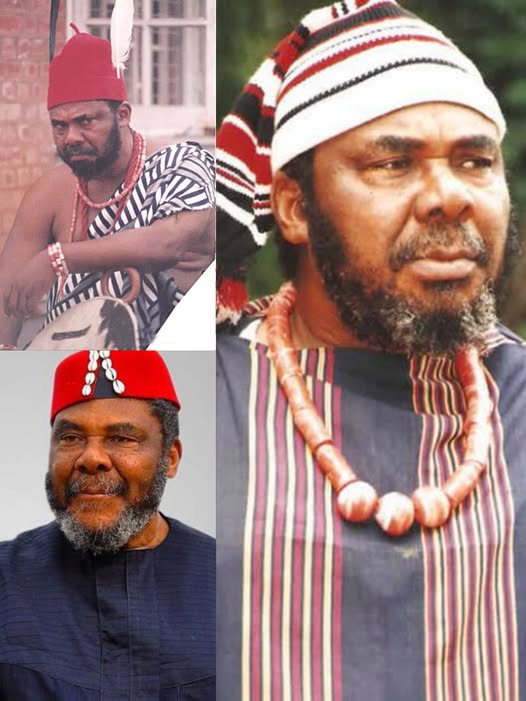
See 10 popular movies that will make you miss Pete Edochie

Published

on

For decades, veteran Nollywood actor Pete Edochie has remained one of the most recognisable faces in Nigerian cinema. His commanding voice, powerful delivery and ability to bring traditional rulers, wealthy patriarchs and influential elders to life have earned him a special place in the hearts of movie lovers.

From his iconic portrayal of Okonkwo in Things Fall Apart to his memorable appearance in Genevieve Nnaji’s Lionheart, Edochie has featured in several productions that continue to attract attention.

Here are 10 popular movies that remind viewers of the actor’s remarkable talent and screen presence.

1. Things Fall Apart (1987)

Edochie’s portrayal of Okonkwo in the Nigerian Television Authority’s adaptation of Chinua Achebe’s classic novel remains one of the defining performances of his career. His interpretation of the proud, fearless and troubled warrior helped bring the literary character to life and established him as a household name.

2. Igodo (1999)

In this classic adventure film, Edochie played an influential elder in a community facing a deadly curse. The story follows seven warriors on a dangerous mission to find a mystical weapon that could save their kingdom. His commanding presence added weight to the production.

3. Rituals (1997)

The film explored the dark side of the pursuit of wealth and political power. Edochie played Don Pedro, a member of a secret society, in a story that examined the consequences of greed, ambition and the abuse of power.

4. Billionaire’s Club (2003)

Edochie featured as Billion, a wealthy businessman involved in a secret society that uses occult practices to pursue wealth and influence. His performance reinforced his reputation for portraying powerful and influential characters.

See also  When Pastors Turn God’s People Into Merchandise

5. Lionheart (2018)

In Genevieve Nnaji’s directorial debut, Edochie played Chief Ernest Obiagu, a respected businessman and owner of Lionheart Transport Company. The film follows his daughter, Adaeze, as she takes charge of the family business when her father falls ill. It offered audiences a glimpse of Edochie in a contemporary family and business drama.

6. Across the Niger (2004)

This drama is among the titles associated with Edochie’s extensive film career. It remains one of the productions viewers can revisit when exploring the veteran actor’s body of work.

7. Narrow Escape (1999)

Edochie featured in this Nollywood production as Odumodu. The film is among his earlier works, reflecting the period when he became a familiar face in the industry’s home-video era.

8. Idemili (2014)

In this production, Edochie played an Igwe, a traditional ruler. The role drew on the authoritative and regal screen presence that has become a familiar feature of many of his performances.

9. Foreigner’s God (2019)

Edochie appeared as a storyteller in this production, which explores a colonial-era encounter between a foreign documentary photographer and a community in Igbo land. The film offered him a different role from the traditional ruler and wealthy patriarch characters for which he is widely known.

10. Unroyal (2020)

In Unroyal, Edochie played the King of Kings. The film added to his collection of productions featuring royal characters and demonstrated his continued presence in Nollywood.

Whether playing a traditional ruler, a wealthy businessman, a strict patriarch or a troubled character, Pete Edochie has consistently brought a distinctive presence to the screen. These films offer movie lovers an opportunity to revisit some of the performances that have helped make him one of Nollywood’s enduring acting figures.

See also  Celebrities who battled body shaming

Source: tribuneonlineng.com

FOLLOW US ON:

FACEBOOK

WHATSAPP CHANNEL

TWITTER

PINTEREST

TIKTOK

YOUTUBE

LINKEDIN

INSTAGRAM

Continue Reading

Trending