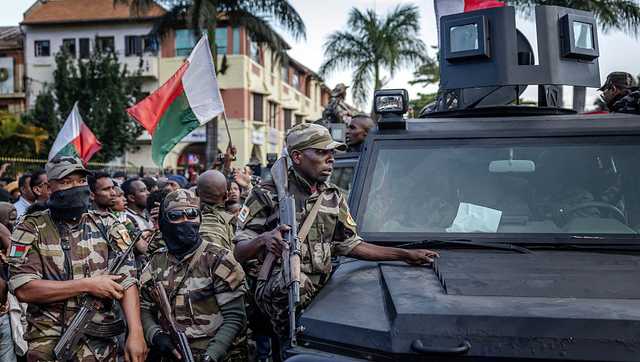
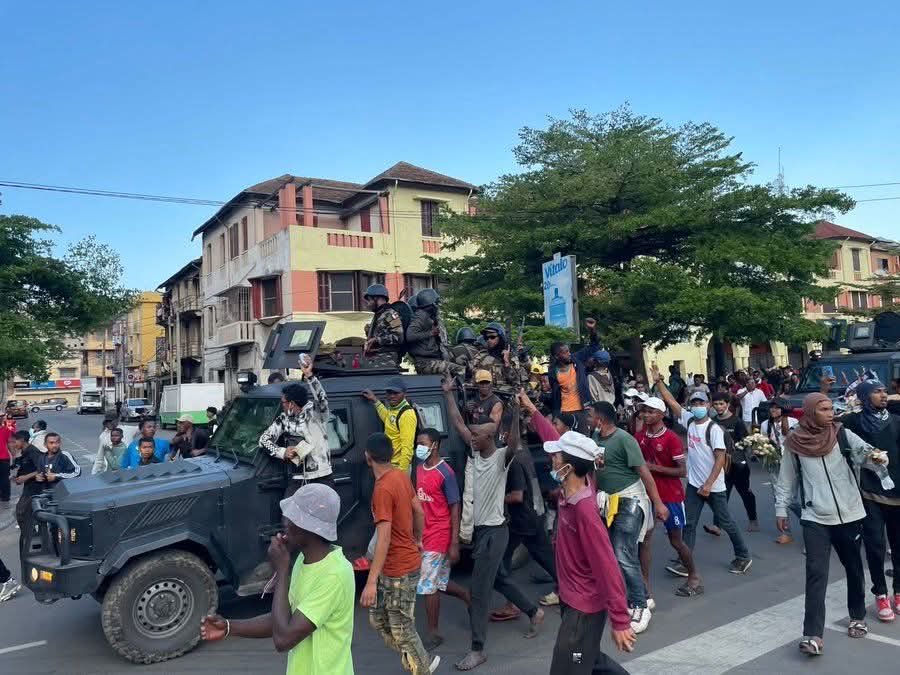
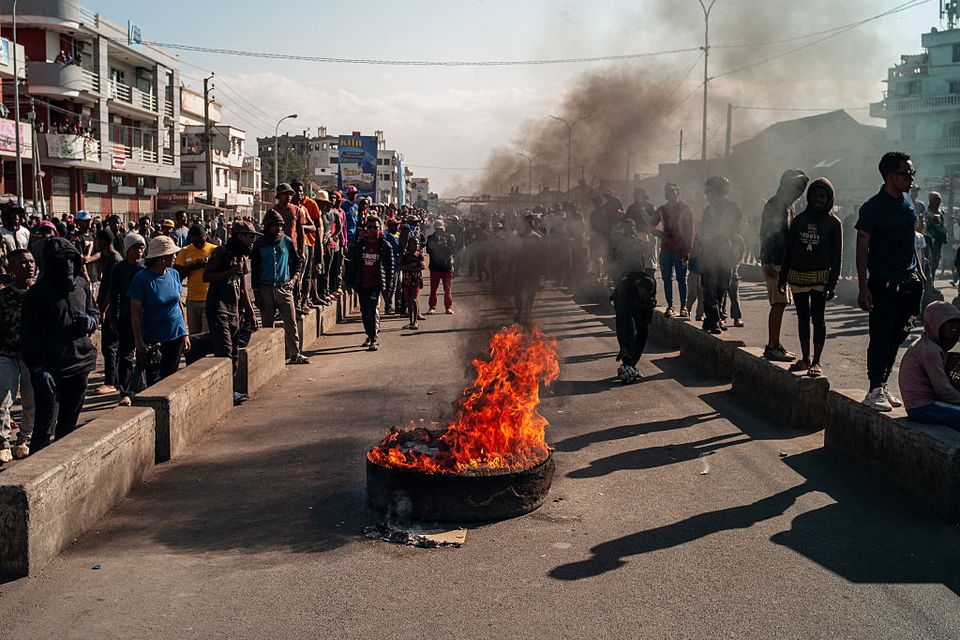
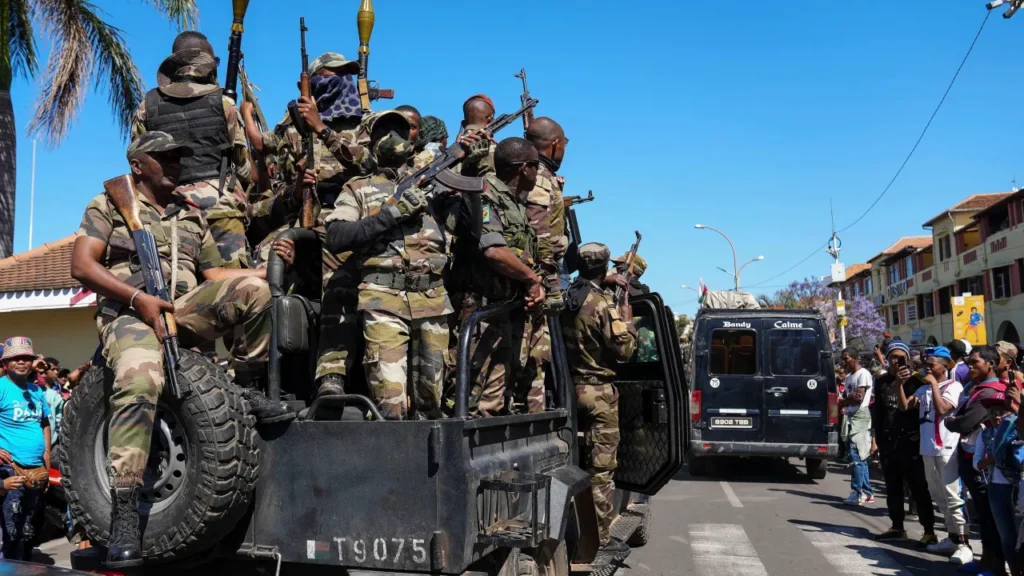
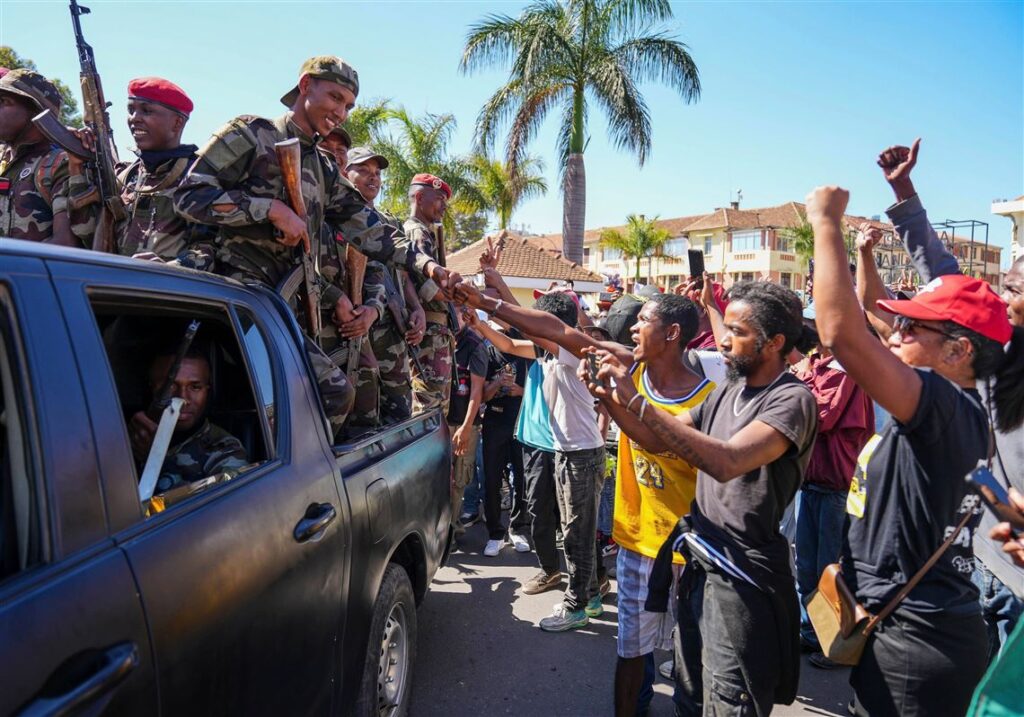
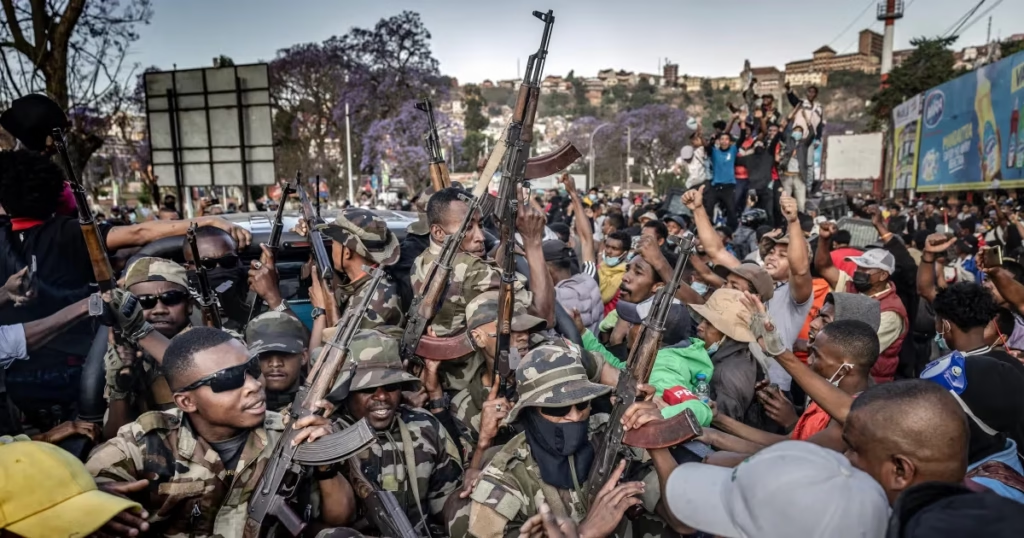
Madagascar’s president said Sunday that an attempted coup was underway in the Indian Ocean country, just a day after members of an elite army unit joined youth-led protests against the government and called for the president to step down.
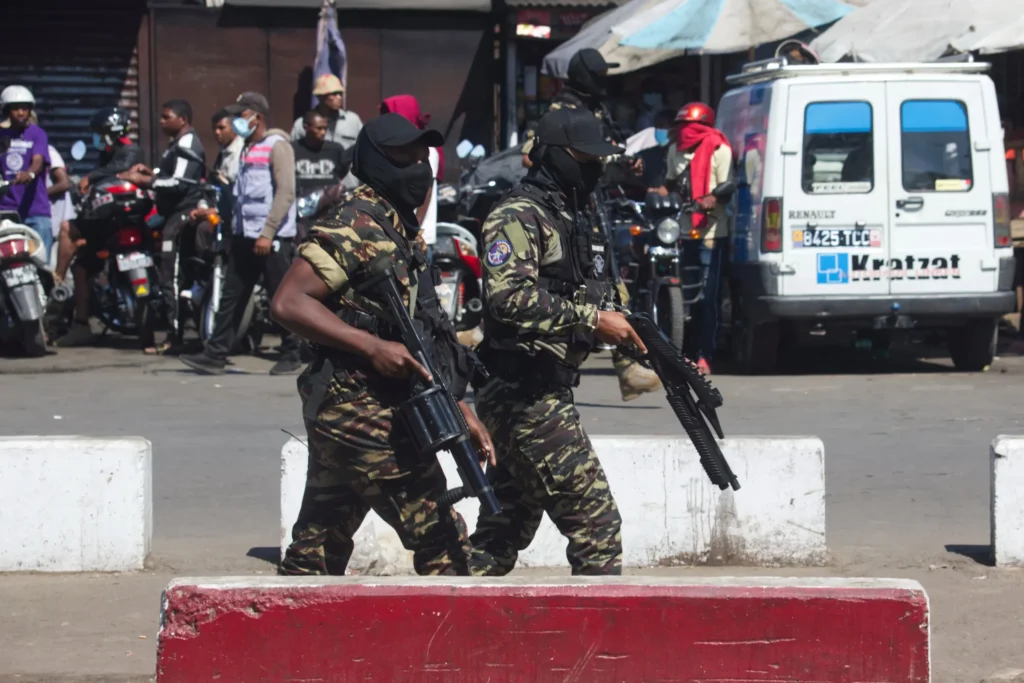
President Andry Rajoelina’s office offered no details on who was behind the attempt and no signs of violence were immediately visible on the streets on Sunday, although there was a large military presence.
A commander of the elite CAPSAT unit, Col. Michael Randrianirina, denied any coup had taken place, but the unit claimed to have taken control of all of Madagascar’s armed forces and said it had installed a new leader of the military, Gen. Demosthene Pikulas.
“We responded to the people’s call,” Randrianirina told reporters. Pikulas, who spoke alongside Randrianirina, declined to say if they had asked Rajoelina to resign, but the CAPSAT army unit appeared to be in a position of authority.
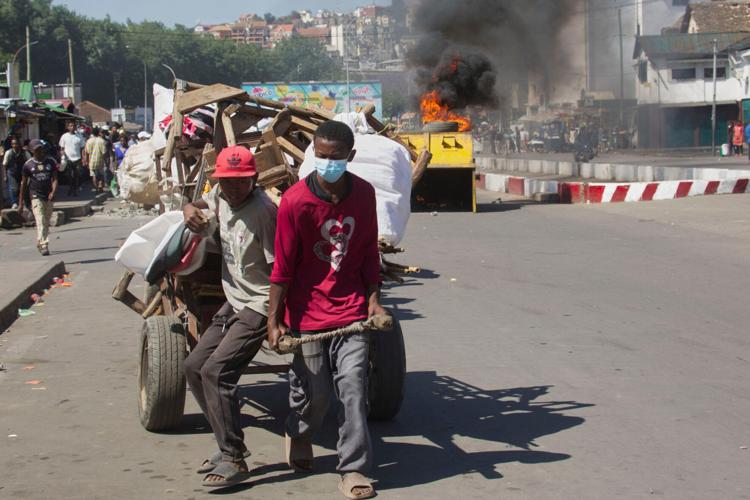
Madagascar has been shaken by three weeks of the most significant unrest in years in the nation. The protests were led by a group calling itself “Gen Z Madagascar,” and the United Nations says the demonstrations have left at least 22 people dead and dozens injured. The government has disputed this number.
The whereabouts of the president were not immediately known on Sunday. His office said he “wishes to inform the nation and the international community that an attempt to seize power illegally and by force” has been “initiated.”
“In view of the extreme gravity of this situation,” the president’s office “strongly condemns this attempt at destabilisation and calls upon all forces of the nation to unite in defense of constitutional order and national sovereignty,” it said.
CAPSAT is the same army unit that was pivotal in a 2009 military-backed coup that first brought Rajoelina to power as the head of a transitional government.
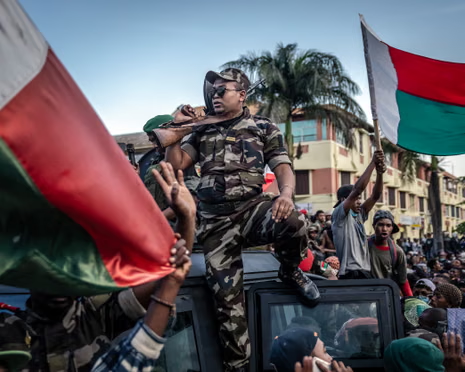
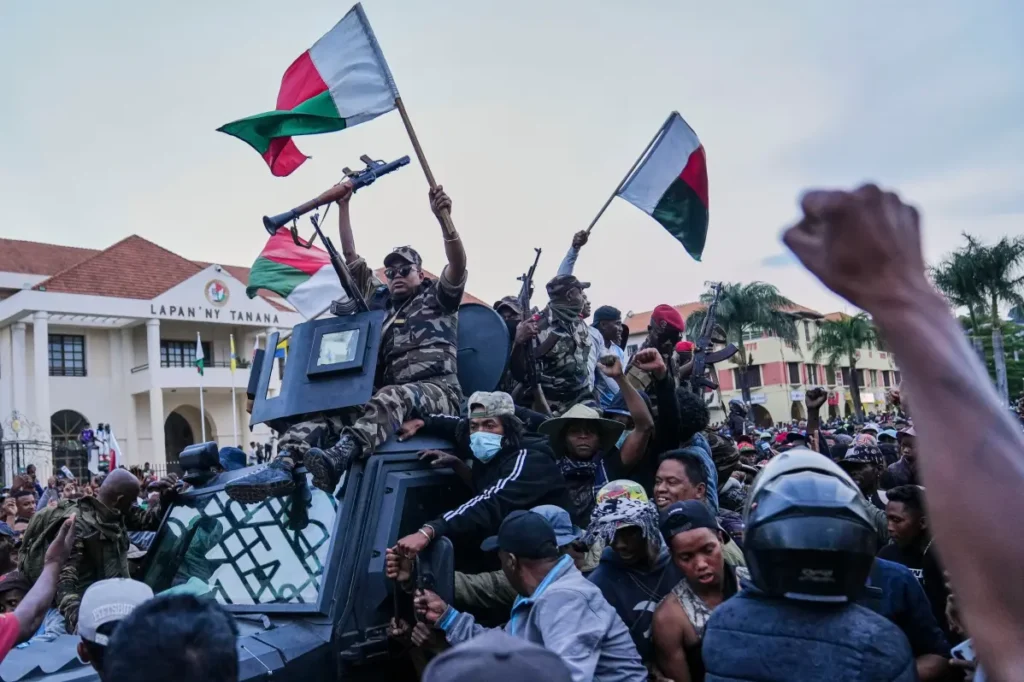
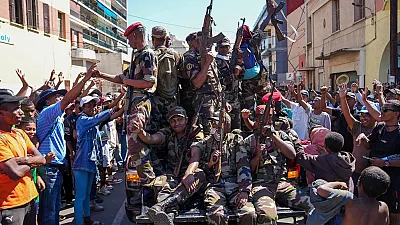
A turning point in these protests came Saturday when soldiers from CAPSAT joined weekslong anti-government demonstrations and called for Rajoelina and government officials to step down.
Saturday’s protests were among the largest since the unrest began on Sept. 25 and Randrianirina said his troops had exchanged fire with security forces who were attempting to quell the protests and that one of his soldiers had been killed.
Speaking to crowds from an armored vehicle, Randrianirina said Saturday that Rajoelina, his new prime minister, the minister of the gendarmerie and the commander of the gendarmerie “must leave power. That’s all.”
“Do we call this a coup? I don’t know yet,” Randrianirina had said.
Madagascar, a large island of 31 million people off the east coast of Africa, has had several leaders removed in coups and has a history of political crises since it gained independence from France in 1960.
The 51-year-old Rajoelina first came to prominence as the leader of a transitional government following a 2009 coup that forced then-President Marc Ravalomanana to flee the country and lose power. Rajoelina was elected president in 2018 and reelected in 2023 in a vote boycotted by opposition parties.
As the news of Rajoelina’s statement broke, the U.S. Embassy in Madagascar advised American citizens to shelter-in-place due to a “highly volatile and unpredictable” situation. The African Union urged all parties, “both civilian and military, to exercise calm and restraint.”
The youth-led protests first erupted last month over electricity and water outages but have snowballed into larger dissatisfaction with the government and the leadership of Rajoelina.
Protesters have brought up a range of issues, including poverty and the cost of living, access to tertiary education, and alleged corruption and embezzlement of public funds by government officials and their families and associates.
Civic groups and trade unions have joined the protests, which have resulted in nighttime curfews being enforced in the capital, Antananarivo, and other major cities. The U.N. criticised the security forces for a “violent response” in the early days of the protests that led to the deaths of largely peaceful protesters, it said.
Rajoelina attempted to appease the protesters by firing his entire government, including the prime minister, on Sept. 29. But the protesters have not relented.
The Gen Z protesters who inspired the uprising have mobilised over the internet and say they were inspired by other protests that toppled governments in Nepal and Sri Lanka. – AP
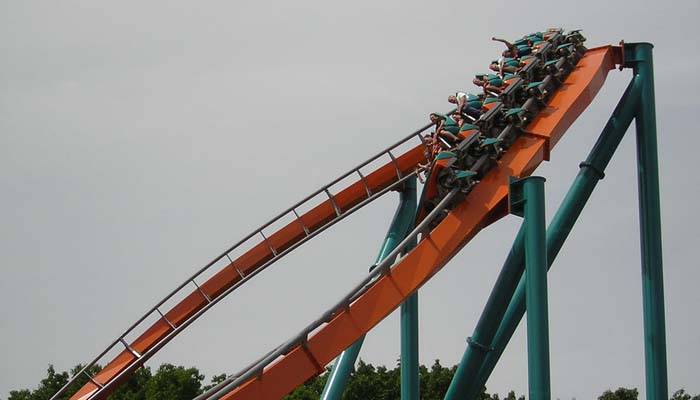
One person was killed and several were injured after an “incident” on a roller coaster at a theme park in the US state of Georgia on Monday, officials said.
Officials did not confirm how the person died or how the others were injured in the incident at Six Flags Over Georgia.
Cobb County Chairwoman Lisa Cupid said detectives from the county’s major crimes unit were investigating what happened.
Cupid said one person had died and others were injured, adding that next of kin had been notified.
“A terrible tragedy occurred today at Six Flags Over Georgia,” Cupid said in a statement.
“I cannot imagine the horror the patrons and employees witnessed today, and my heart aches for the family who lost a loved one,” she said.
A Six Flags spokesperson told US media that the park and local authorities responded immediately and that they were fully cooperating with local officials.
“We are deeply saddened by the guest incident at our park today,” the spokesperson said.
Theme park operator Six Flags, which has properties throughout North America, has temporarily closed nine similar rollercoasters across six parks “out of an abundance of caution”.
Officials did not specify which ride was involved in the incident in Georgia, but local media identified it as the Goliath roller coaster.
The roller coaster reaches top speeds of 70 miles per hour (113 kmh) and heights of 200 feet (61 meters), according to the park’s website.
The incident comes after Six Flags decided last month to permanently shut down a popular roller coaster in its California theme park after dozens of people claimed to have suffered brain damage while riding it.
The Federal Government has called on the Nigeria Police Force to immediately arrest and prosecute the suspect who allegedly stabbed a health worker at the Federal Medical Centre, Idi-Aba, Abeokuta, Ogun.
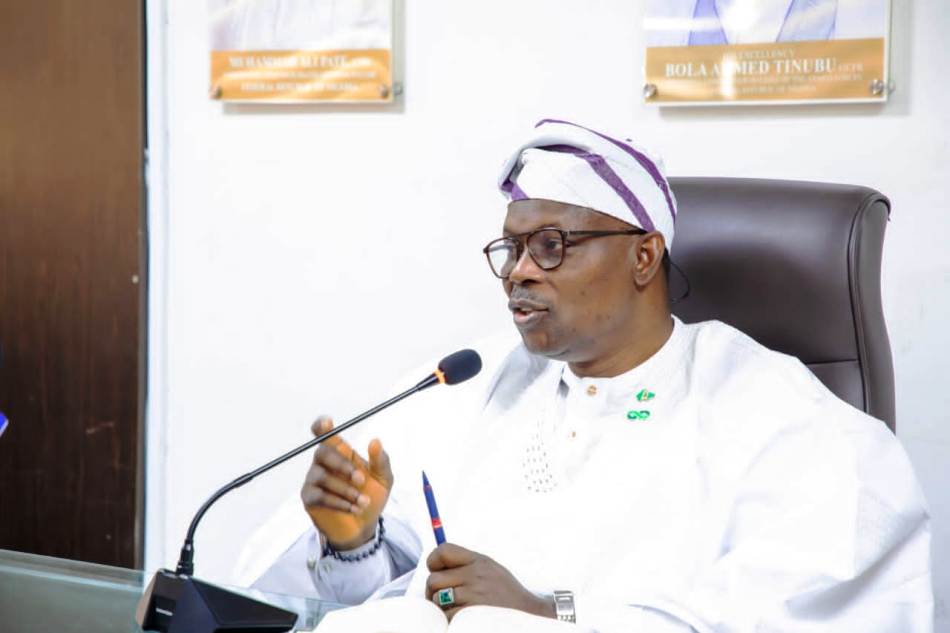
The Minister of State for Health and Social Welfare, Dr Iziaq Salako, made the call in a statement issued on Monday night by Ado Bako, Assistant Director, Information and Public Relations, Federal Ministry of Health and Social Welfare.
Salako condemned the reported stabbing of Mr Lawal Olasunkanmi, a medical laboratory scientist at the hospital, describing the attack as “barbaric and unacceptable”.
“No grief, frustration or dissatisfaction with care can justify violence against a health worker performing his lawful duties.”
The minister said the ministry would follow the case to ensure that the alleged assailant was brought to justice.
He said the incident reinforced the urgency of implementing measures directed by the ministry on Aug. 5, to strengthen the protection of health workers in federal tertiary health institutions.
According to him, the measures include strengthened security arrangements, violence-prevention teams, incident reporting, collaboration with law-enforcement agencies and improved complaint-handling procedures.
“These safeguards must translate into effective protection for health personnel across health facilities,” he said.
Salako also appealed to health workers, who had embarked on industrial action at FMC Abeokuta to return to work immediately in the interest of patients and the wider public.
He urged the workers to allow security authorities to carry out their duties and pursue the investigation.
The minister further urged the hospital management to ensure that the injured staff member received appropriate medical care and support while strengthening security arrangements in line with Federal Government directives.
He extended the government’s condolences to the family of the deceased patient, stressing that the loss of a loved one deserved compassion and appropriate attention.
Salako urged anyone dissatisfied with the care received at the hospital to use its formal complaints mechanism.
He said that such concerns could be examined fairly and addressed on their merits without recourse to violence.
The minister reiterated that protecting health workers was essential to safe and uninterrupted healthcare delivery.
According to him, health facilities must remain safe environments where personnel can perform their duties without fear of violence and patients and their families can seek care with confidence.
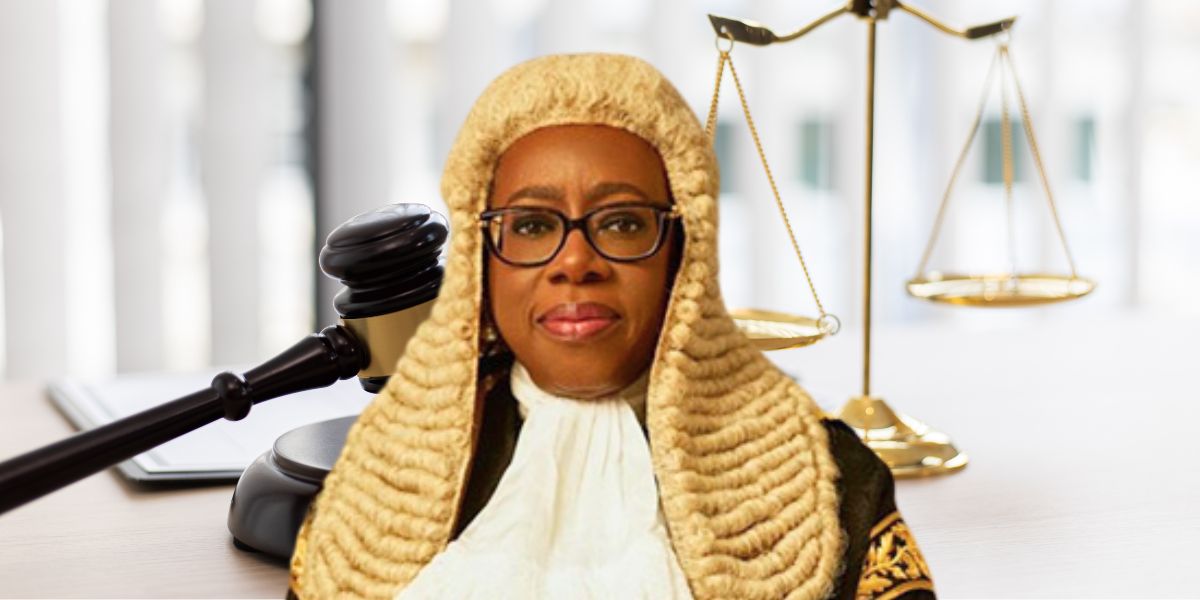
Chief Justice of Nigeria, Justice Kudirat Kekere-Ekun, on Monday, swore in 68 legal practitioners as Senior Advocates of Nigeria at the 2026/2027 Legal Year ceremony.
PUNCH Online reported that the swearing-in took place during the ceremony marking the new legal year.
The Legal Practitioners’ Privileges Committee had approved the elevation of the 68 legal practitioners at its 174th plenary session held in Abuja in July.
According to PUNCH’s earlier report, the appointees comprise 67 advocates and one academic, Professor Nnamdi Onyeka Obiaraeri.
The names of the 67 advocates, listed according to their seniority at the Bar, are:
1. Ibrahim Gamdeh Adamu
2. Jude Chukwuemeka Okafor
3. Godwill Achibong Umoh
4. Sunday Samuel Obende
5. Adebayo Olugbenga Adaralegbe
6. Jimson Ejovi Okodaso
7. Olalekan Lawrence Bade-John
8. Olaotan Thomas Olusegun
9. Philemeon Audu Daffi
10. Adenrele David Adegborioye
11. James Eromosele Agbonhese
12. Alexander Nduka Muoka
13. Onome Okodiya
14. Emmanuel Akunke Akomaye
15. Ikhide Ehighelua
16. Mas’ud Mobolaji Alabelewe
17. Ogunmuyiwa Olayinka Balogun
18. Anthony Auditz Iroagalachi
19. Mohammed Tajudeen Mohammed
20. Odion Peter Odia
21. Gbemiga Adaramola
22. Moses Okoh Onyilokwu
23. Charles Azubuike Obodozie
24. Hakeem Obafemi Agaba
25. Bimbo Felix Atilola
26. Okechukwu Steve Emelieze
27. Joshua Demilade Olaniyan
28. Igonikon Abiola Adekunle
29. Christian Nnadozie Nwokorie
30. Sadiku Momoh Ilegieuno
31. Sarafa Kolawole Idowu
32. Olujoke Enitan Aliu
33. Oliver Onyenucheya Amuzie
34. Adebisi Emmanuel Adeniyi
35. Faruk Abdullah
36. Sagir Gezawa Suleiman
37. Ifeanyi Godwin Ezeuko
38. Adebayo Folorunsho Ologe
39. Sabiu Gumba Adamu
40. Eric Keme-Egolukumor Omare
41. Soibi Ideriah Ovia
42. Somina Peter Johnbull
43. Chinedum Ikenna Umeche
44. Emmanuel Eghiegba Ekhasemomhe
45. Mohammed El-Hassan Sheriff
46. Junaidu Bello Marshall
47. Olawale Sunday Fapohunda
48. Adebiyi Alaba Adetoboye
49. Senior Sulyman Ibrahim
50. Agba Eimunjeze
51. Ayobamidele Oyekunle Akande
52. Adetunji Taiwo Adedoyin Adeniyi
53. Olamide Moigbotoluwa Adekunle
54. Umaru Yunusa
55. Akorede Habeeb Lawal
56. Darlington Nnabuike Ozurumba
57. Nnaemeka Francis Patrick Egonu
58. Kayode Orire Omosehin
59. Mitchel Akinrinsola Aribisala
60. Bolu Agbaje Akadri
61. Oluwaseun Asimiyu Alao
62. Olugbenga Olusanya Ajala
63. Mustapha Olayinka Ajenifuja
64. Afees Hassan Adebayo
65. Mohammed Abiodun Adelodun
66. Jonathan Akintola Makinde
67. Olajide Salami
The sole academic recipient is Professor Nnamdi Onyeka Obiaraeri.